Custom Furniture Budget: Where the Dollars Really Go
A Custom Furniture budget for a typical Singapore home usually runs about S$15,000 to S$45,000, and most of that money disappears into materials and hardware rather than the design work. Understanding where the dollars go is the first step to a reno that doesn't blow the limit.
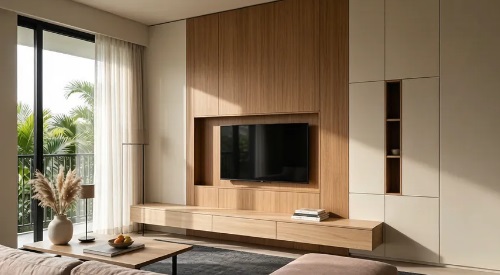
Break the budget into five pools
Split your spend before you sign anything. This keeps one surprise item from eating the whole kitty.
1. Materials – the carcass and surface. This is often 40% to 55% of the bill.
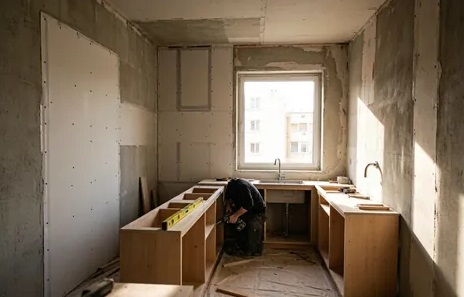
2. Hardware – hinges, drawer runners, handles. Quietly adds up.
3. Labour and installation – cutting, assembling, on-site fitting.
4. Design and coordination – the drawings and project management.
5. Extras and buffer – lighting, glass, delivery, plus a 10% contingency.
For a 4-room HDB flat at roughly 90 sqm, the furniture portion often sits near the lower end. A 5-room at about 110 sqm, or a condo, tends to push higher because of more built-ins and pricier finishes.
Why materials take the largest slice
The carcass board you pick decides both price and lifespan. Here's the plain breakdown.
Solid wood – lovely and durable, but the dearest and sensitive to our humidity. It moves with the seasons and needs regular care.
Plywood – the local favourite for cabinets. Stable, holds screws well, mid-range cost. Great for wardrobes and kitchen bases.
MDF – smooth and cheap, ideal under laminate or paint, but weak near water. Keep it out of the sink and backsplash zone.
Laminate – a finish, not a board. The budget hero for looks, available in endless colours and textures.
A wardrobe in laminated plywood costs far less than the same piece in solid wood, yet still serves a family well for years with basic upkeep.
Custom Furniture hardware is where quotes sneak up
Homeowners fixate on the board and forget the fittings. Soft-close hinges, full-extension runners, and push-to-open systems each add real money once you multiply them across a whole home.
Spend on the things you touch daily. A cheap hinge that fails means a return visit from a carpenter. Good soft-close runners in the kitchen and wardrobe earn their keep every single day.
Get the brand and type in writing. "Imported hinges" is not a spec. "Soft-close, full-extension, branded runners" is a spec you can hold someone to.
Labour and the Singapore install reality
Installation is not one afternoon. For a full home, fitting spreads over several days, and condos add lift bookings and MCST delivery windows that slow the pace.
Measure takes a few days once you confirm the layout.
Factory build runs roughly 3 to 5 weeks depending on workload.
Install needs 3 to 7 days depending on the number of rooms.
That's why the full measure-to-install journey is usually 6 to 10 weeks. Book your slot early so it lines up with your renovation schedule rather than fighting it.
Keep the budget honest with HDB and MCST rules
HDB flats follow renovation guidelines, and you can't hack certain walls or shift wet areas without approval. Built-in furniture is generally allowed, but the permitted renovation period is fixed, and noisy works are limited to weekdays within set hours.
Condo owners answer to the MCST. Expect a renovation deposit, assigned delivery times, and rules on what you can drill into. Factor these into both cost and timeline so the budget holds.
Also note the 1-year defect liability period. Reputable firms fix workmanship issues free within that window, so keep a small reserve and photograph everything at handover.
When you plan your own numbers, start with rooms rather than styles. List every built-in you need, then assign a rough per-metre cost by board. Laminate-faced plywood runs clearly cheaper than solid wood, so choose where to upgrade and where to stay plain, and the total stays predictable.
Custom furniture should solve a problem in your home, not just mimic a showroom. When the plan fits how you actually live, the dollars you spend do real work and the budget feels earned rather than lost.