Custom Furniture Budget: A Phased Plan for New Owners
New owners should treat Custom Furniture as a phased plan rather than a single spend, because spreading the work across moving-in and the first year keeps cash flow sane and lets you learn how you live.
Phase one: the essentials at move-in
When keys land, you need a home that functions, not a showroom. Fund the pieces you can't live without first.
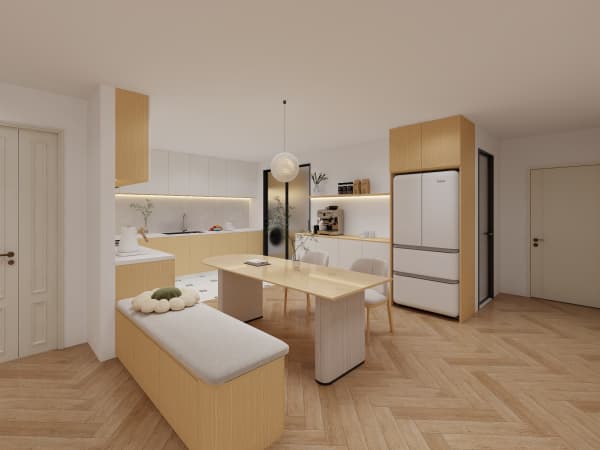
Kitchen cabinets – cooking happens from week one; this comes first.
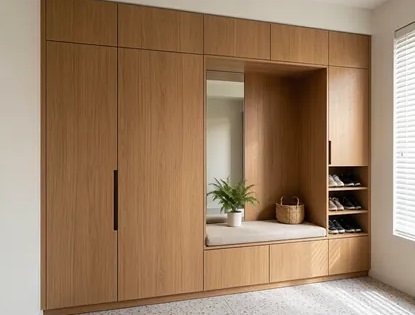
Master wardrobe – clothes need a home before boxes eat the bedroom floor.
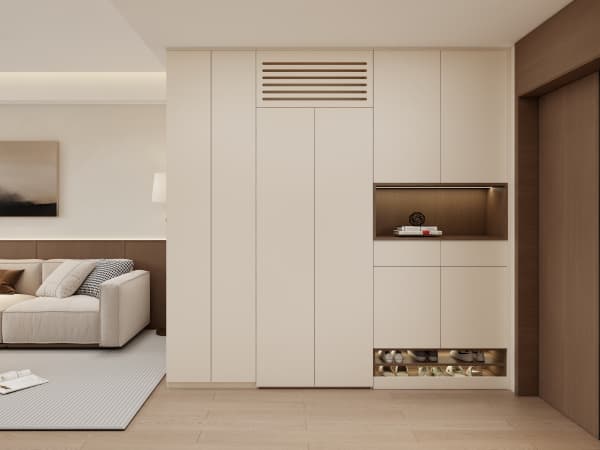
Beds and basic storage – enough to sleep and unpack without chaos.
For a 4-room HDB near 90 sqm or a 5-room near 110 sqm, this first phase might run roughly S$10,000 to S$20,000 depending on board choice. It gets you living, not just looking.
Phase two: the comfort upgrades
Once you've spent a month in the place, you'll know what's missing. That's the right time for the rest.
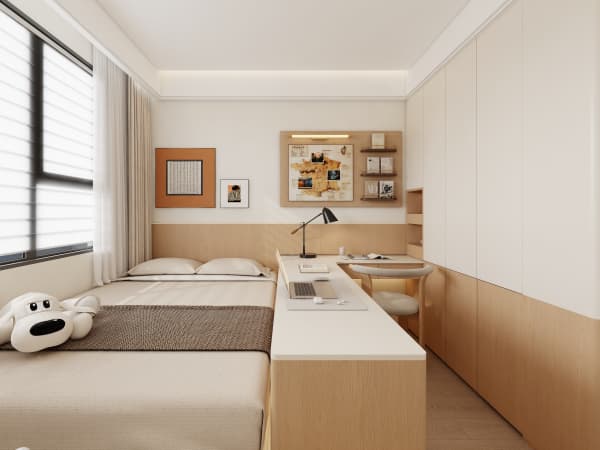
Study or work nook – only if you actually sit down to work at home.
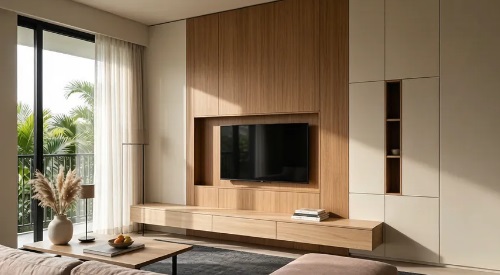
Feature wall and display – nice to have, not need-to-have.
Children's storage – grows as the family grows; don't over-build too early.
This phase is where the budget breathes. You've already learned your habits, so you build for real life instead of guessing.
Custom Furniture budget for the first year
Spread the total across the year so the reno loan or savings aren't drained at once. A whole-home furniture plan often lands between S$15,000 and S$45,000; phasing lets you pace it.
Month 0 to 1 – essentials, funded from your reno budget (often part of the S$30k to S$70k whole-home range).
Month 3 to 6 – comfort upgrades from regular savings.
Month 9 to 12 – final touches once habits are clear.

This rhythm also means each later piece is better designed, because you've lived with the space and seen where things pile up.
Using the defect liability window
The 1-year defect liability period is a free safety net, so plan around it. Don't rush to repair nicks yourself in month two when the firm should fix them at no cost.
Keep a snag list – note every door that doesn't sit right as you use it.
Time your call – report near the end of the window so one visit covers all.
Photograph at handover – proof of what was there on day one.
Condo owners should also track MCST rules through the year; some charges and deposits only release after the renovation period closes.
A realistic monthly view
Suppose your furniture total is S$25,000. A phased plan might look like this:
S$15,000 at move-in from reno funds for kitchen and wardrobes.
S$6,000 at month four from savings for study and storage.
S$4,000 at month nine for the feature pieces you now know you want.
You avoid a single painful hit and end with a home shaped by how you actually live, not by a guess made on a showroom floor.
Phasing turns a daunting bill into a manageable rhythm. New owners who build in stages usually end up happier with the result, because the second half of the plan is informed by the first half of real living.