Custom Furniture Pitfalls: Style Over Use, a Wrong Bet
With Custom Furniture, picking a look before you plan how you'll actually use a piece is the pitfall that leaves homeowners with a pretty cabinet they fight every day. Form should follow function, because a unit built for the photo won't survive a real Singapore household — so the fix starts by listing what the space must do, then dressing it up.
The Usual Trap: Pretty but Painful
We see it often: a full handleless gloss front because it looks clean in the showroom, then a kitchen where every fingerprint shows and the toddler can't open a drawer. Or open shelving in the living room that gathers dust and hides nothing.
Style isn't the enemy. The mistake is letting the style decide the layout before the storage needs are set. A 4-room HDB at about 90 sqm can't spare a meter of dead space to a feature that doesn't earn its keep.
Start With the Daily Routine
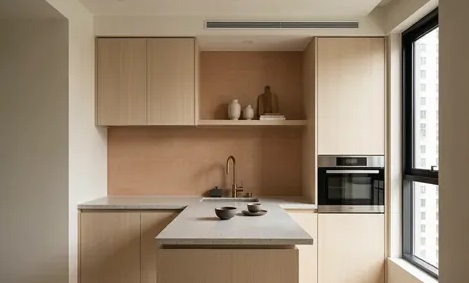
Before picking colours, walk the room and write what happens there from morning to night. The answers shape the build:
Who opens it? Elderly parents need easy grips; kids need soft-close so fingers stay safe.
What goes inside? Bulky pots, vacuum cleaners, and winter wear need deep, tall space, not thin shelves.
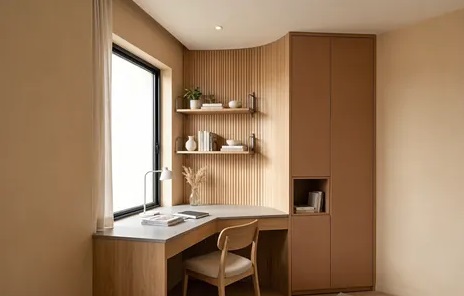
How often is it used? Daily items sit at mid-height; once-a-year things go up top, behind a plain door.
Where Looks and Use Actually Meet
You can have both. A handleless wardrobe can still have a built-in rail at the right height and a pull-out tray for small items. A display cabinet can hide the clutter behind a fluted glass panel that reads as design but works as storage.
The trick is to spend the "style budget" on the faces people see and the "function budget" on the inside. A plain laminate interior with a smart divider costs less than a fancy one and works just as hard.
Custom Furniture That Ages Well
Trends move fast. The fluted panels and curved ends popular in 2025-2026 will look dated in a few years, but a well-planned layout will still serve you. We tell clients to put the lasting value in the function and the easy swaps in the finish.
If you want a trend piece, keep it small and changeable — a feature island panel or a vanity front you can reface later. That way the look can refresh without rebuilding the bones of the home.
Checking the Bet Before You Build
Before you approve the drawing, test it against real life:
1. Stand where you'll stand and mime the open-close. Does the door clear the bed?
2. Count the items you own now. If they don't fit, the style won't save you.
3. Ask what breaks first. Gloss scratches, open shelves fill up, soft edges chip. Pick the finish that matches your habits.
A cabinet you love in the showroom but resent at home is a poor trade. Plan the use first, let the style serve it, and you end up with a space that photographs well and works harder every single day. That balance is what makes a home feel right, not just look right, for the years you'll actually live in it.