Custom Furniture at living room: A Hidden Ironing Spot
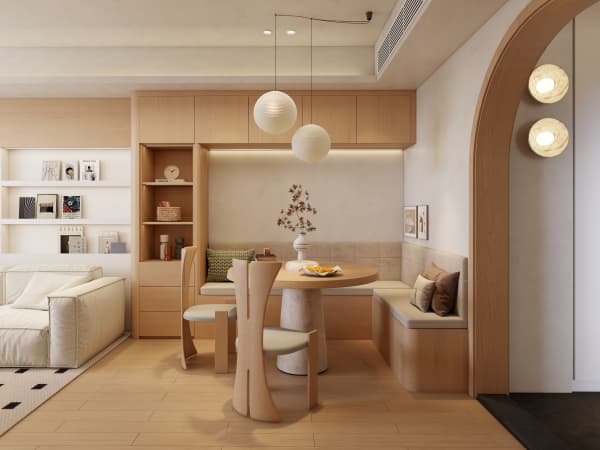
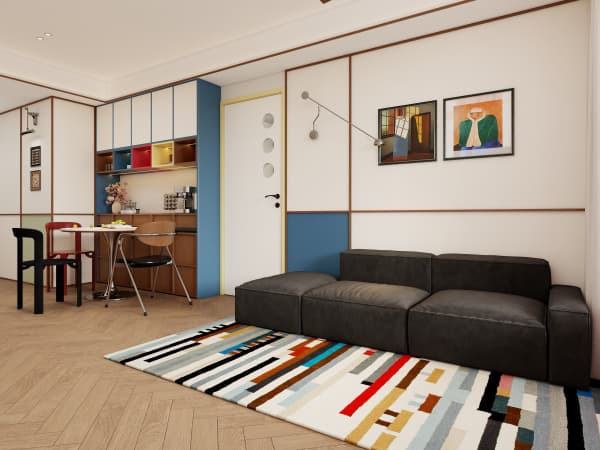
Custom Furniture at the living room can hide a full ironing spot inside a cabinet or sideboard, so the ironing board stops living behind the sofa. A pull-out board, a small heat-safe tray, and a power point inside the unit mean you can press a shirt without dragging the board across the room. Here's how we tuck it away cleanly.
Why the Living Room Is the Right Place
In many Singapore flats the living room is central and near the bedrooms, so it's the natural spot to deal with clothes. But nobody wants an ironing board on show. A concealed unit keeps the board, iron, and spray bottle in one quiet drawer, and the living room stays a living room.
It also keeps the iron away from the kitchen steam and the bathroom damp, both of which are rough on the soleplate.
Custom Furniture Layout for the Hidden Spot
The build usually sits inside a sideboard or a floor-to-ceiling cabinet:
- A pull-out board on a friction slide, 320mm wide and 1,100mm long, that locks at waist height.
- A heat-resistant tray under the board — we use a melamine or steel base, never bare MDF.
- An internal power point wired by a licensed electrician, with the cable hidden in the carcass.
- A shallow top drawer for the iron and a fold of cloths, so nothing sits on the board.
Materials and Heat Safety
Heat is the enemy here, so the spec matters:
- 18mm plywood carcass near the board, which copes with warmth better than MDF.
- A steel or laminate heat shield behind the board's resting position.
- Soft-close hinges so the unit shuts without a slam, even when you're in a hurry.
We never place the board where it blocks the required window or door clearance, and we keep it off any wall shared with a neighbour's bedroom if the MCST is strict about noise.
Ventilation and Power
An iron left in a closed cabinet can hold heat, so we add tiny gaps in the back panel for air to move, and we spec a power point with its own switch so you can cut the current when the board is stowed. In Singapore's humidity, that airflow also stops mustiness building inside the unit.
Have the electrician certify the point — HDB and condo rules both want fixed wiring done properly, and a dodgy internal socket is a fire risk nobody needs.
Cost, Timeline, and Approval
A hidden ironing cabinet built into new living-room joinery adds roughly S$800 to S$2,000 on top of the base unit. If the cabinet is new, the whole piece follows the usual 6 to 10 weeks from measure to install, with the electrician visiting during the fit-out.
No HDB structural change is involved, so approvals are light, but the electrical work must be by a licensed person. Condo owners should note the MCST may require the electrician's licence on file. A 1-year defect liability period should cover the slide and the hinges if they drift after use.
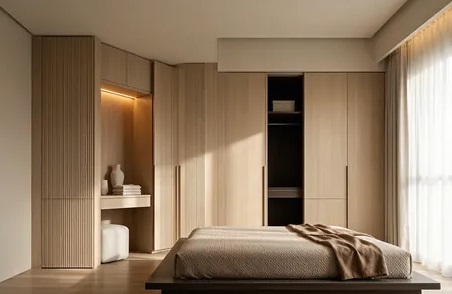
An ironing board cluttering the living room is one of those small annoyances that wears you down daily. Tucking it into the cabinet you already need is a quiet win that pays back every week. If your living room is due for a sideboard or full-height unit anyway, ask the designer to carve out the ironing spot from the start — retrofitting it later is always more awkward and more costly.