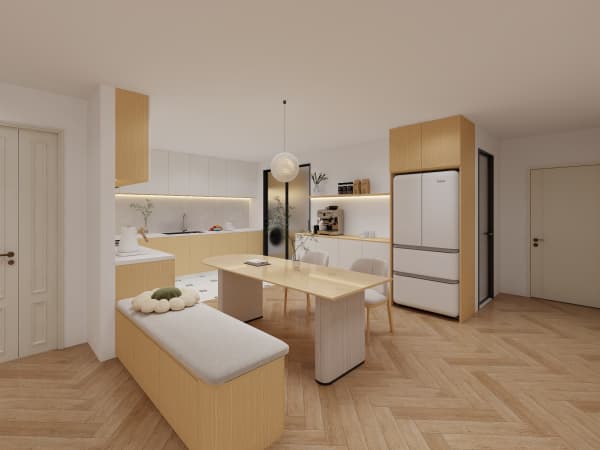
Singapore HDB Renovation Guide: Tiles Selection for HDB
This HDB Renovation Guide Singapore walks you through picking tiles that survive local use, from homogeneous to ceramic, and explains how grading and wet-zone placement affect both cost and permits. Plan your 2025 or 2026 reno right and you avoid hollow tiles, slipping falls, and a failed inspection.
Tile types and what the grades mean
Two materials dominate HDB bathrooms and kitchens. The difference is how they are made, not just how they look.
Homogeneous tiles are solid through the body. A chip shows the same colour inside, so they take more abuse in a busy flat. I use them in toilets and service yards where buckets and stools drop.
Ceramic tiles have a printed surface over a clay body. They are cheaper and fine for dry walls, but a hard knock can expose the base, so they suit feature walls more than floors.
For slip safety, check the rating. A higher slip-resistance grade, the PTV or R-rating, is worth the small premium in any wet area where a fall is a real risk, especially in homes with older residents.
Wet versus dry areas, and where tiles belong
Singapore flats concentrate water in a few spots. Put the tougher tile where it counts, and keep the grade up where feet get wet.
- Toilets: full tile walls and floor, homogeneous preferred, sealed joints, slip-rated floor.
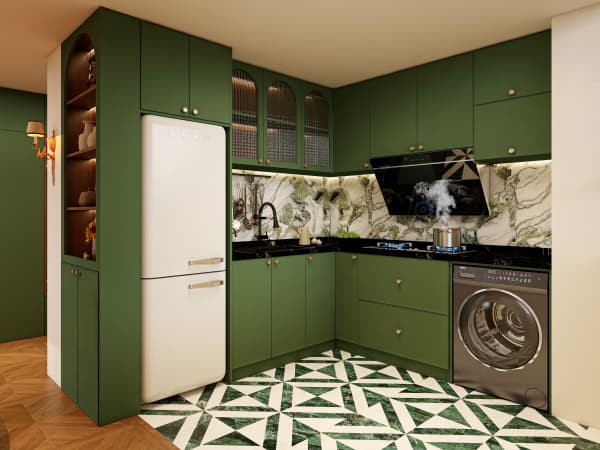
- Kitchen backsplash: ceramic or homogeneous, easy to wipe after cooking, glossy over matte.
- Living and bedrooms: tiles are optional; many owners now overlay vinyl instead to save height.
- Balcony: choose weather-rated, slip-resistant tile for rain and sun, and a drain that clears.
Don't tile over a hollow spot. The tile will sound empty and crack under foot traffic within a year, and a cracked tile in a toilet is a leak waiting to happen.
Hacking, overlay, and floor levelling
Changing toilet tiles is controlled work under HDB rules. Your contractor in the Directory of Renovation Contractors applies for the permit under the Renovation Control Rules 2006, and approval can take up to three weeks for a simple job, or three to seven days for the quickest cases.
If you are in a BTO, remember the rule: you cannot hack toilet tiles in the first three years, though overlay is allowed. Resale flats have no such wait once you own the place, but the permit is valid only one month, so time the start to that window.
Before new tiles go down, the floor needs levelling. Old adhesive and dips must be flat, or tiles lift. This step adds time but prevents the hollow knock later, and a level base also keeps the door from catching on the new floor.
My practical take
Match the tile to the room, not the catalogue. Spend on homogeneous where water hits, save on ceramic for feature walls, and budget 20% of your reno for tiling and flooring combined. This HDB Renovation Guide Singapore reminds owners that the permit, the slip grade, and the levelling matter more than the showroom pattern.
Get the permit through your DRC contractor and keep the approval paper. HDB can ask for it, and a missing permit turns a tidy job into a reinstatement order plus a fine that reaches S$5,000 for structural mistakes.