BTO Renovation Singapore: A view of built-ins that fit
The phrase BTO Renovation in Singapore covers more than cabinets. It means reading the flat, the rules and your own habits before a single measurement is taken, because the early choices decide the late regrets.
How plywood for wet areas shape the final result
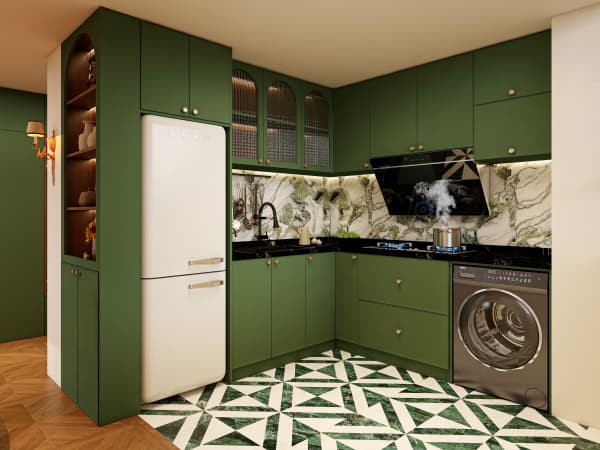
Near the sink and the cooktop, moisture and heat decide which board survives. Plywood, made of cross-laminated veneers, holds its shape far better than particle board when it gets damp, so most carpenters use it for sink cabinets and the kickboard zone. A good birch or hardwood plywood in Singapore runs about S$6,000 to S$9,000 for a full kitchen, and it is money well spent where water sits.
Getting wardrobe internal layouts sorted early
A wardrobe is not a box with a rod. Split it: long hang for dresses, half hang for shirts, a bank of drawers for folded wear, and a tall open shelf for the rarely used. In Singapore's humidity, leave air gaps and avoid sealing the back fully so the clothes breathe and the board stays dry.
Getting renovation stages in order sorted early
Hold a weekly site check at each handover. When the tiler leaves, walk the floor for hollow tiles. When the painter leaves, check the edges. Catching a fault before the next trade covers it saves a fight later. The stage checks are the cheapest insurance in the whole job.
Understanding BTO key collection steps in Singapore
Use the defect window well. Walk every room with the checklist, test the switches, check the tiles for hollow spots. The items you miss now stay your cost later. Coordinate this with your carpenter so the cabinet measure happens after the defects are settled and the walls are true.
Common questions about HDB renovation timelines
Time slips mostly come from waiting, not from building. Permit approval, MCST slot booking for condos, and cabinet lead times of two to three weeks are the usual culprits. A realistic plan blocks the carpenter only after hacking, tiling and painting are done, so the boards are not scratched on site. Owners who front-load the paperwork finish weeks earlier.
How kitchen cabinet planning shape the final result
Leave service gaps. The meter, the pipe and the trap need access, so plan a removable panel rather than a sealed box. Owners who seal everything save ten minutes now and lose a day later when the plumber cannot reach the valve. Mark these on the drawing and keep a copy.
How HDB renovation permits affect your schedule
The permit exists to protect the block, not to slow you down. HDB checks that proposed works will not touch load-bearing walls, will not exceed the floor loading limit of about 200 kg per square metre, and will keep fire-safety items intact. Owners forget that even moving a door or building a feature wall needs declaration. Get the permit before any work starts, because fixing unpermitted works costs far more than the fee.

How payment milestone schedules shape the final result
Never pay in full up front. A fair schedule runs a deposit of 20 to 30 percent, a progress payment after the carcass, and the balance on completion and defect clearance. Tie each payment to a visible stage so you keep room to flag faults before the money leaves your hands.
How reading a quotation affect your schedule
Watch the variation clauses. A quote at S$15,000 that becomes S$22,000 after 'unforeseen' items hurts more than a S$19,000 firm quote. Ask what triggers a variation and cap it in writing. Most reasonable carpenters will agree to a 10 percent ceiling if you ask before signing.
The numbers matter: a a compact 3-room resale with a compact family room and a S$28,000 cap still gets a full plywood base and soft-close fittings if the owner cuts the face-grade and keeps the inside honest. The feel stays, the cost drops.
Common questions about carpentry warranties
A carpentry warranty in Singapore typically runs one to five years, with the better shops giving three. Read what it covers: warping, delamination and faulty hinges are fair game, but water damage from a leaking pipe is usually on you. Get the coverage and the claim process in writing, because a verbal promise fades by the time something breaks.
Take a dual-key condo unit as a typical case: the owner had three bedrooms to fit, and the carpenter planned the storage around the actual items rather than a standard grid, which removed the dead corners that plague smaller Singapore homes.
The flats in Singapore are built to a standard, but the kitchens and wardrobes inside them are anything but. Keep these points in mind, ask the right questions before you sign, and your BTO Renovation will lead to a home that works.
One more point worth a line: keep the contact of the person who owns your project in a single note, with the quote, the permit and the warranty. When something needs a fix in year two, that note is what turns a denied claim into a quick visit. The paper you file today is the service you get later.
A small habit that pays off is to photograph the finished work at handover, before the furniture goes in. The shots show the edges, the gaps and the mitres as they should be, and give you proof if a fault appears after. Five minutes with a phone beats a week of argument about what changed.
Think about the next owner too. A clean, compliant build with the paperwork in order sells faster and for more, because the buyer's lawyer has fewer questions. The work you do for yourself also works for the resale, so treat the records as part of the asset, not just the receipt.
Do not chase the lowest number at the cost of the details. A job that saves on the edge banding and the hinge shows it within a year, and the fix costs more than the saving. Spend on the parts you touch daily, and the home feels right long after the photos are taken.
Finally, give the build a week before you judge it. Wood settles, doors find their rest, and a small adjustment at the start of use prevents a bigger one later. A carpenter who returns for the punch-list is worth more than one who disappears the day the balance is paid.