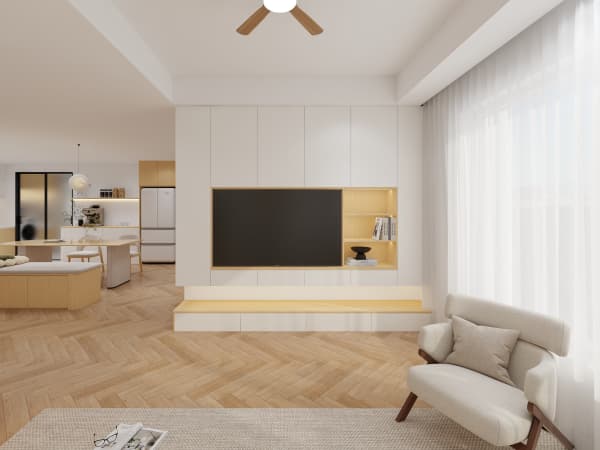
BTO Renovation Singapore: Handling a shoe cabinet that works
A BTO Renovation in Singapore lives or dies on the small decisions made before the build. Pick the right board where water sits, keep the escape route clear, and work with the flat instead of against it.
Where renovation stages in order usually go wrong
Renovation is a relay, not a race. Hack first, then the wet trades tile and screed, then electrical and plumbing first-fix, then paint, then the carpenter measures and builds, then the second fix and the clean. Each stage blocks the next, so a delay at the front echoes to the end. A clear schedule keeps the chain moving.
The numbers matter: a an executive apartment with a compact family room and a S$50,000 cap still gets a full plywood base and soft-close fittings if the owner cuts the face-grade and keeps the inside honest. The feel stays, the cost drops.
Understanding reading a quotation in Singapore
Compare quotes by line, not by total. One firm may price the carcass low and the drawers high, another the reverse. The honest way is to send the same spec to two or three and see where they differ. Wild gaps usually mean a different board or a missing step, not a better deal.
How plywood for wet areas shape the final result
Near the sink and the cooktop, moisture and heat decide which board survives. Plywood, made of cross-laminated veneers, holds its shape far better than particle board when it gets damp, so most carpenters use it for sink cabinets and the kickboard zone. A good birch or hardwood plywood in Singapore runs about S$6,000 to S$9,000 for a full kitchen, and it is money well spent where water sits.
How HDB renovation permits shape the final result
In Singapore, HDB flats cannot be renovated on a whim. The registered owner appoints a licensed builder, who submits the works to HDB for a renovation permit. The permit covers hacking, wall tiling, rewiring and the carpentry scope. Most approvals clear within a week, but anything touching structure draws extra checks. The builder files the paperwork, yet the owner stays responsible for what goes into the flat.
How carpentry warranties shape the final result
A carpentry warranty in Singapore typically runs one to five years, with the better shops giving three. Read what it covers: warping, delamination and faulty hinges are fair game, but water damage from a leaking pipe is usually on you. Get the coverage and the claim process in writing, because a verbal promise fades by the time something breaks.
The numbers matter: a a condo apartment with two bedrooms and a kitchen and a S$60,000 cap still gets a full plywood base and soft-close fittings if the owner cuts the face-grade and keeps the inside honest. The feel stays, the cost drops.
Getting HDB renovation timelines sorted early
Most homeowners underestimate the punch-list. Even a smooth job leaves a week for touch-ups: a misaligned door, a chipped edge, a drawer that sticks. Build that buffer into your move-in date. If you rent while renovating, align the lease end with the buffer, not the theoretical finish line, or you pay double for a place to stay.
A practical view of BTO key collection steps
Use the defect window well. Walk every room with the checklist, test the switches, check the tiles for hollow spots. The items you miss now stay your cost later. Coordinate this with your carpenter so the cabinet measure happens after the defects are settled and the walls are true.
Getting wardrobe internal layouts sorted early
Depth matters more than width. A 600 mm deep wardrobe holds two rows of hang if you use a centre pull-out, while 450 mm fits one. Most bedrooms here lose floor space to a swinging door, so a sliding front or a built-in that meets the wall saves the walkway. Measure the clearance before you pick the door type.
What kitchen cabinet planning cost you in the end
Base cabinets carry the weight, so build them from plywood where they meet the floor and the water. Wall cabinets can use a lighter board, but fix them into the concrete with the right anchors, not just into the tile. A cabinet that pulls away from the wall is the most common and most avoidable failure.
Where payment milestone schedules usually go wrong
Hold back 10 percent until the punch-list closes. Small faults surface in the first两周 of use: a door that drops, a drawer that binds. The final slice is your tool to get them fixed without a fight. Release it when the home works, not when the carpenter asks.
The flats in Singapore are built to a standard, but the kitchens and wardrobes inside them are anything but. Keep these points in mind, ask the right questions before you sign, and your BTO Renovation will lead to a home that works.
One more point worth a line: keep the contact of the person who owns your project in a single note, with the quote, the permit and the warranty. When something needs a fix in year two, that note is what turns a denied claim into a quick visit. The paper you file today is the service you get later.
A small habit that pays off is to photograph the finished work at handover, before the furniture goes in. The shots show the edges, the gaps and the mitres as they should be, and give you proof if a fault appears after. Five minutes with a phone beats a week of argument about what changed.
Think about the next owner too. A clean, compliant build with the paperwork in order sells faster and for more, because the buyer's lawyer has fewer questions. The work you do for yourself also works for the resale, so treat the records as part of the asset, not just the receipt.
Do not chase the lowest number at the cost of the details. A job that saves on the edge banding and the hinge shows it within a year, and the fix costs more than the saving. Spend on the parts you touch daily, and the home feels right long after the photos are taken.
Finally, give the build a week before you judge it. Wood settles, doors find their rest, and a small adjustment at the start of use prevents a bigger one later. A carpenter who returns for the punch-list is worth more than one who disappears the day the balance is paid.