Budget Calculator Singapore: Smart moves for Sembawang
Search trends show that a Budget Calculator in Singapore is one of the most searched home projects, yet few guides explain the order of works clearly. This piece walks the sequence the way local builders actually run it.
A practical view of reading a quotation
Watch the variation clauses. A quote at S$15,000 that becomes S$22,000 after 'unforeseen' items hurts more than a S$19,000 firm quote. Ask what triggers a variation and cap it in writing. Most reasonable carpenters will agree to a 10 percent ceiling if you ask before signing.
How particle board value affect your schedule
Particle board, sometimes called chipboard, is the budget workhorse of local carpentry. For dry storage like a wardrobe or a study nook, a branded particle board with a thick laminate lasts years and costs roughly S$3,000 to S$6,000 for a typical run. It is heavier than plywood and weaker at the edge, but for a closed cabinet it does the job.
Understanding renovation stages in order in Singapore
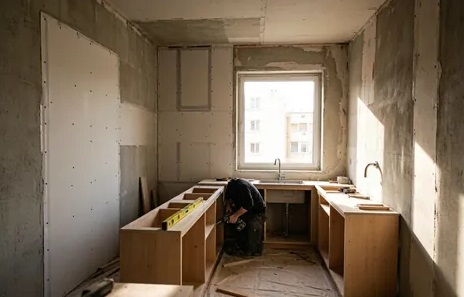
Renovation is a relay, not a race. Hack first, then the wet trades tile and screed, then electrical and plumbing first-fix, then paint, then the carpenter measures and builds, then the second fix and the clean. Each stage blocks the next, so a delay at the front echoes to the end. A clear schedule keeps the chain moving.
What maximising cabinet storage cost you in the end
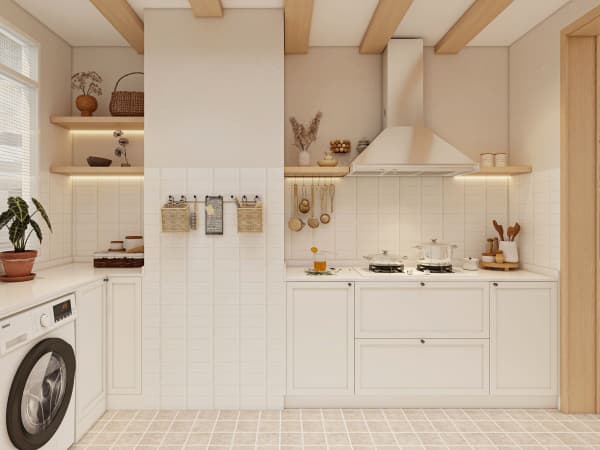
Storage fails not from lack of cabinets but from poor internals. Deep drawers beat deep shelves because you see everything without digging. In a Singapore kitchen where space is tight, a pull-out for the blender and a tray divider for the lids turn a cramped cabinet into a working one. Spend on the inside, not just the face.
Common questions about typical carpentry budgets
If cash is tight, the renovation loan from HDB for flats can reach S$30,000 at about 5 percent, and banks offer similar amounts for private homes. Spread the big-ticket items, and keep a 10 percent buffer for the changes you will inevitably want once the walls come down. Few renovations end at the first quote.
Getting custom versus ready furniture sorted early
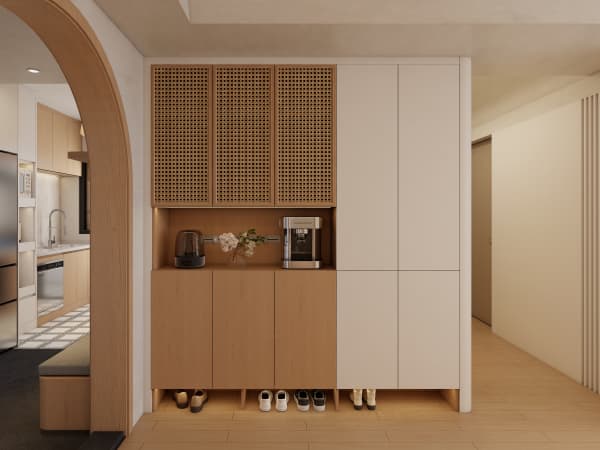
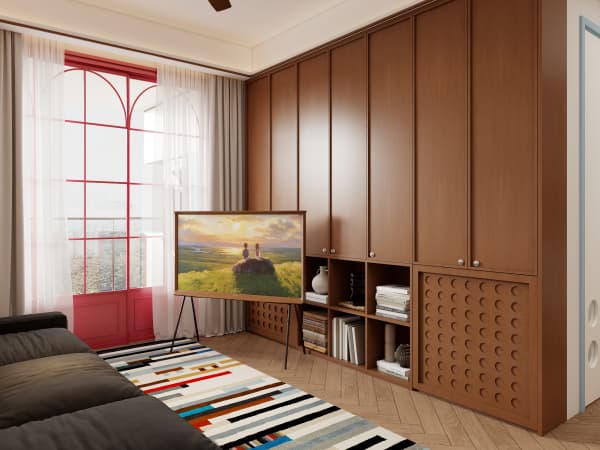
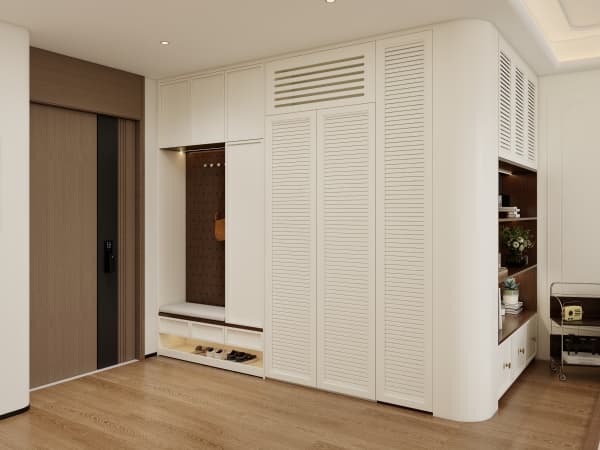
Custom beats ready when the space is odd or the need is specific. A built-in that wraps a bay window or fills a 1.2 m alcove uses space a shop piece wastes. For standard items like a bed or a side table, a bought piece often costs less and ships faster. Match the method to the gap.
Take a maisonette as a typical case: the owner had two bedrooms and a kitchen to fit, and the carpenter planned the storage around the actual items rather than a standard grid, which removed the dead corners that plague smaller Singapore homes.
A practical view of common layout mistakes
The top mistake is building storage you will not use. Owners copy a showroom layout, then find the wine rack and the open shelf gather dust while the drawers overflow. Plan around your real habits, not a magazine. A short list of what you own beats a tall cabinet of intent.
Getting payment milestone schedules sorted early
Never pay in full up front. A fair schedule runs a deposit of 20 to 30 percent, a progress payment after the carcass, and the balance on completion and defect clearance. Tie each payment to a visible stage so you keep room to flag faults before the money leaves your hands.
Getting estimating your budget sorted early
Add the hidden 20 percent: delivery, protection, lighting strips, soft-close and the variation buffer. Most budgets fail because they count only the carcass. A calculator that omits these understates the true cost by a fifth, and the gap shows up as a surprised face at signing.
Understanding carpentry warranties in Singapore
Keep a record of the board grade, the hinge type and the invoice dates in a single file. When a drawer runner fails in year two, that file is what the carpenter needs to honour the claim without argument. Five minutes of notes today saves a long search and a denied claim three years on.
In Marine Parade, a a 4-room BTO flat often comes with an awkward service yard, and the build that works treats it as a second kitchen rather than a dump. A S$8,000 budget stretches further when the yard pulls its weight.
For anyone starting a Budget Calculator in Singapore, the lesson is simple: slow at the front, steady through the middle, careful at the end. The owners who follow that rhythm are the ones who never redo the job.
One more point worth a line: keep the contact of the person who owns your project in a single note, with the quote, the permit and the warranty. When something needs a fix in year two, that note is what turns a denied claim into a quick visit. The paper you file today is the service you get later.
A small habit that pays off is to photograph the finished work at handover, before the furniture goes in. The shots show the edges, the gaps and the mitres as they should be, and give you proof if a fault appears after. Five minutes with a phone beats a week of argument about what changed.
Think about the next owner too. A clean, compliant build with the paperwork in order sells faster and for more, because the buyer's lawyer has fewer questions. The work you do for yourself also works for the resale, so treat the records as part of the asset, not just the receipt.
Do not chase the lowest number at the cost of the details. A job that saves on the edge banding and the hinge shows it within a year, and the fix costs more than the saving. Spend on the parts you touch daily, and the home feels right long after the photos are taken.
Finally, give the build a week before you judge it. Wood settles, doors find their rest, and a small adjustment at the start of use prevents a bigger one later. A carpenter who returns for the punch-list is worth more than one who disappears the day the balance is paid.
Match the build to how you actually live, not to a showroom you visited once. The kitchen you cook in and the wardrobe you open daily should reflect your routine, because a home that fits your habits is the one you stop noticing, and that is the highest praise a renovation can earn.