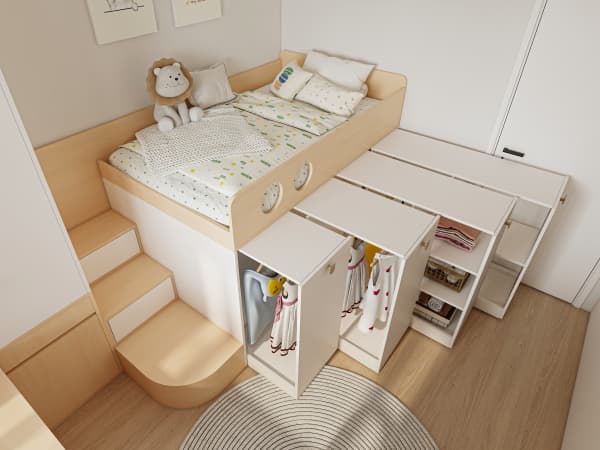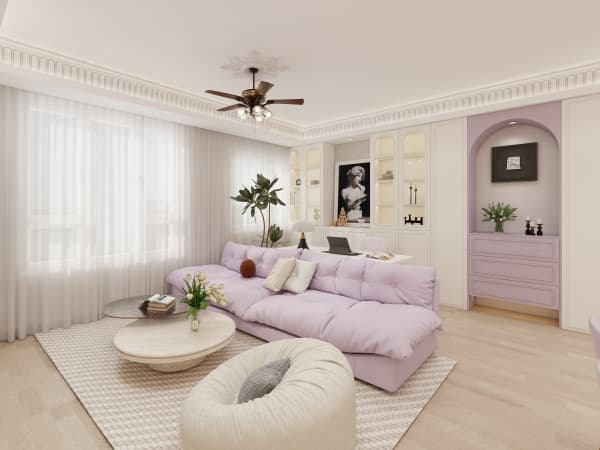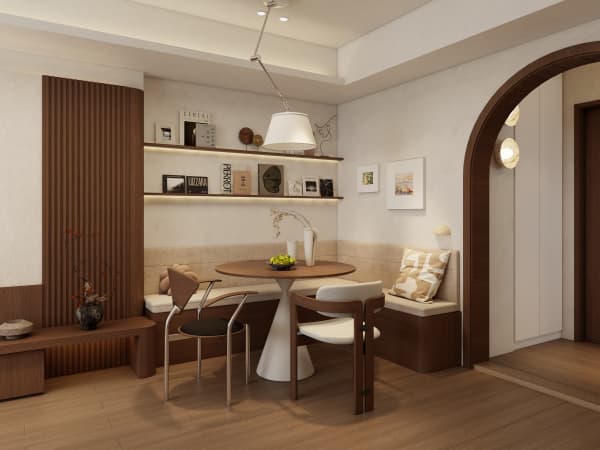
Carpentry Materials Singapore: Making a in Serangoon
A Carpentry Materials in Singapore starts long before the first board is cut. Most owners underestimate how much the existing layout decides what is possible, and the same oversight shows up again and again.
How carpentry warranties shape the final result
A carpentry warranty in Singapore typically runs one to five years, with the better shops giving three. Read what it covers: warping, delamination and faulty hinges are fair game, but water damage from a leaking pipe is usually on you. Get the coverage and the claim process in writing, because a verbal promise fades by the time something breaks.
How hinges and soft-close fittings affect your schedule
Hardware is where cheap jobs fail first. A soft-close hinge that closes a door without a slam feels small but runs the daily life of a kitchen. Spec a concealed, adjustable hinge with a built-in damper, and use screwed inserts in particle board so the screw holds. The face looks the same; the feel gives it away in a year.
Getting indoor air and board grade sorted early
Air quality is a system, not one product. Low-emission board plus a low-VOC edge glue plus a week of airing beats any single premium buy. Ask the carpenter for the glue grade too, because a great board with a poor adhesive still off-gasses. The whole chain must be clean.
How typical carpentry budgets affect your schedule
Carpentry in a Singapore home spans a wide range. A basic kitchen and a couple of wardrobes can land at S$8,000 to S$12,000, while a full-home build with plywood, soft-close hardware and a feature wall often reaches S$25,000 to S$40,000. The board grade and the amount of custom work move the number more than the room count.
For a resale 5-room flat in Woodlands with a budget near S$8,000, the practical move is to fix the kitchen and the wardrobes first, because those are the spaces used every day, then phase the rest as the money allows.
What low-emission board choices cost you in the end
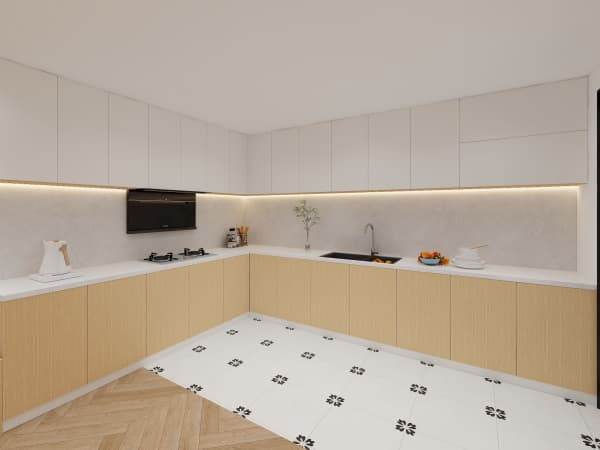
Low-emission board costs a bit more but the spend is front-loaded into the build, where it counts. Pair it with a low-VOC adhesive and let the home air for a week before you sleep there. A simple fan and an open window beat any spray sold as a cure.
Common questions about MDF and laminate options
A fair compromise many owners pick: MDF carcass with a plywood base where the unit meets the floor. You get the smooth face and the water resistance where it counts, without paying full plywood price throughout. Ask the carpenter to spec the base separately so you are not guessing later.
How particle board value shape the final result
The trick with particle board is the hardware. Because the core is soft, hinges and hinges screws need the right fittings or the holes wallow out. Use screwed-in inserts rather than driving straight into the board, and the doors stay put. Most warranty claims on particle board come from bad fixing, not bad board.
How plywood for wet areas affect your schedule
Owners often ask whether plywood is worth the premium over particle board. For the lower cabinets and any unit touching the floor or a water source, yes. For tall pantry cabinets in a dry store room, a quality particle board does the job at lower cost. Match the board to where it sits, and you get the same lifespan for less.
Take a landed corner terrace as a typical case: the owner had an open living-dining area to fit, and the carpenter planned the storage around the actual items rather than a standard grid, which removed the dead corners that plague smaller Singapore homes.
How custom versus ready furniture shape the final result
The win with custom is the fit and the finish. A wardrobe that meets the ceiling with no gap reads as part of the home, not a thing in it. The cost is lead time of two to three weeks and a measure you must get right. For a one-off awkward wall, custom is the only clean answer.
Where comparing board grades usually go wrong
Thickness matters as much as the name. An 18 mm carcass holds a loaded drawer; a 12 mm back panel is fine out of sight. Ask for the thickness per part, because a quote that says 'plywood' without a number hides a thin core. The database should list the spec, not just the label.
For anyone starting a Carpentry Materials in Singapore, the lesson is simple: slow at the front, steady through the middle, careful at the end. The owners who follow that rhythm are the ones who never redo the job.
One more point worth a line: keep the contact of the person who owns your project in a single note, with the quote, the permit and the warranty. When something needs a fix in year two, that note is what turns a denied claim into a quick visit. The paper you file today is the service you get later.
A small habit that pays off is to photograph the finished work at handover, before the furniture goes in. The shots show the edges, the gaps and the mitres as they should be, and give you proof if a fault appears after. Five minutes with a phone beats a week of argument about what changed.
Think about the next owner too. A clean, compliant build with the paperwork in order sells faster and for more, because the buyer's lawyer has fewer questions. The work you do for yourself also works for the resale, so treat the records as part of the asset, not just the receipt.
Do not chase the lowest number at the cost of the details. A job that saves on the edge banding and the hinge shows it within a year, and the fix costs more than the saving. Spend on the parts you touch daily, and the home feels right long after the photos are taken.
Finally, give the build a week before you judge it. Wood settles, doors find their rest, and a small adjustment at the start of use prevents a bigger one later. A carpenter who returns for the punch-list is worth more than one who disappears the day the balance is paid.