Carpentry Materials Singapore: Practical storage that lasts
The phrase Carpentry Materials in Singapore covers more than cabinets. It means reading the flat, the rules and your own habits before a single measurement is taken, because the early choices decide the late regrets.
Getting MDF and laminate options sorted early
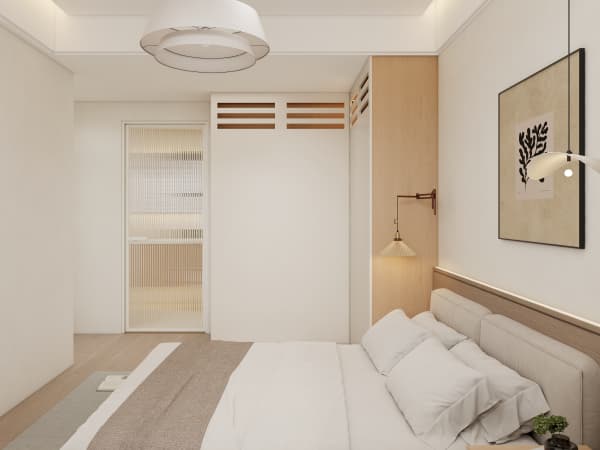
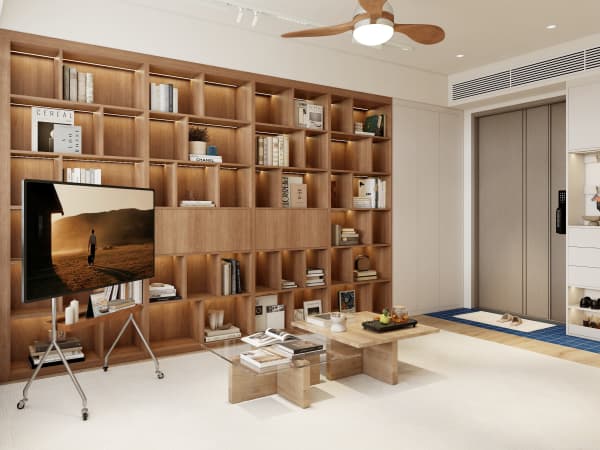
The finish matters more than the board for how a room feels. Laminates in Singapore range from matte to high-gloss, and the better ones resist scratches from keys and bags. For a TV feature wall, MDF with a textured laminate reads well and stays flat. Just keep it away from the bathroom and the kitchen splash.
What comparing board grades cost you in the end
Boards split by core and grade. Plywood resists water, MDF takes a smooth face, particle board is the budget base. The grade, from ENF down through E0 and E1, marks the emission, not the strength, so read both. A board database helps you match the right core to the right room without guessing.
In Jurong East, a a 5-room resale flat often comes with an awkward service yard, and the build that works treats it as a second kitchen rather than a dump. A S$25,000 budget stretches further when the yard pulls its weight.
A practical view of hinges and soft-close fittings
Hardware is where cheap jobs fail first. A soft-close hinge that closes a door without a slam feels small but runs the daily life of a kitchen. Spec a concealed, adjustable hinge with a built-in damper, and use screwed inserts in particle board so the screw holds. The face looks the same; the feel gives it away in a year.
Understanding carpentry warranties in Singapore
The warranty is only as good as the firm behind it. A sole proprietor who retires in two years leaves you with a paper guarantee. Prefer a registered company with a track record, and note the claim lead time. Some shops respond in days, others go quiet. A quick call to their office before you sign tells you which camp they are in.
How custom versus ready furniture affect your schedule
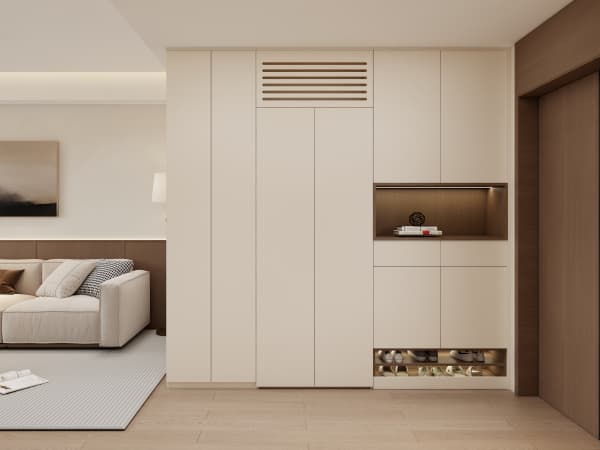
Custom beats ready when the space is odd or the need is specific. A built-in that wraps a bay window or fills a 1.2 m alcove uses space a shop piece wastes. For standard items like a bed or a side table, a bought piece often costs less and ships faster. Match the method to the gap.
Getting plywood for wet areas sorted early
Owners often ask whether plywood is worth the premium over particle board. For the lower cabinets and any unit touching the floor or a water source, yes. For tall pantry cabinets in a dry store room, a quality particle board does the job at lower cost. Match the board to where it sits, and you get the same lifespan for less.
How particle board value shape the final result
Particle board, sometimes called chipboard, is the budget workhorse of local carpentry. For dry storage like a wardrobe or a study nook, a branded particle board with a thick laminate lasts years and costs roughly S$3,000 to S$6,000 for a typical run. It is heavier than plywood and weaker at the edge, but for a closed cabinet it does the job.
Getting typical carpentry budgets sorted early
Carpentry in a Singapore home spans a wide range. A basic kitchen and a couple of wardrobes can land at S$8,000 to S$12,000, while a full-home build with plywood, soft-close hardware and a feature wall often reaches S$25,000 to S$40,000. The board grade and the amount of custom work move the number more than the room count.
The numbers matter: a a dual-key condo unit with a balcony extension and a S$45,000 cap still gets a full plywood base and soft-close fittings if the owner cuts the face-grade and keeps the inside honest. The feel stays, the cost drops.
How low-emission board choices shape the final result
Indoor air in a sealed Singapore flat matters, so board grade is a health call, not just a price. Look for E0 or ENF rated boards, which emit the least formaldehyde, and ask the carpenter for the test certificate, not just the label. The difference shows in the first weeks after install, when a poor board smells and a good one does not.
Understanding indoor air and board grade in Singapore
Ventilation closes the gap. After install, run a fan for a week and sleep elsewhere if you can. The smell test is real: a persistent chemical tang means a board or glue below standard. Push the supplier for the cert, and if they hesitate, walk. The cheap board is never cheap once the window stays shut.
For anyone starting a Carpentry Materials in Singapore, the lesson is simple: slow at the front, steady through the middle, careful at the end. The owners who follow that rhythm are the ones who never redo the job.
One more point worth a line: keep the contact of the person who owns your project in a single note, with the quote, the permit and the warranty. When something needs a fix in year two, that note is what turns a denied claim into a quick visit. The paper you file today is the service you get later.
A small habit that pays off is to photograph the finished work at handover, before the furniture goes in. The shots show the edges, the gaps and the mitres as they should be, and give you proof if a fault appears after. Five minutes with a phone beats a week of argument about what changed.
Think about the next owner too. A clean, compliant build with the paperwork in order sells faster and for more, because the buyer's lawyer has fewer questions. The work you do for yourself also works for the resale, so treat the records as part of the asset, not just the receipt.
Do not chase the lowest number at the cost of the details. A job that saves on the edge banding and the hinge shows it within a year, and the fix costs more than the saving. Spend on the parts you touch daily, and the home feels right long after the photos are taken.
Finally, give the build a week before you judge it. Wood settles, doors find their rest, and a small adjustment at the start of use prevents a bigger one later. A carpenter who returns for the punch-list is worth more than one who disappears the day the balance is paid.