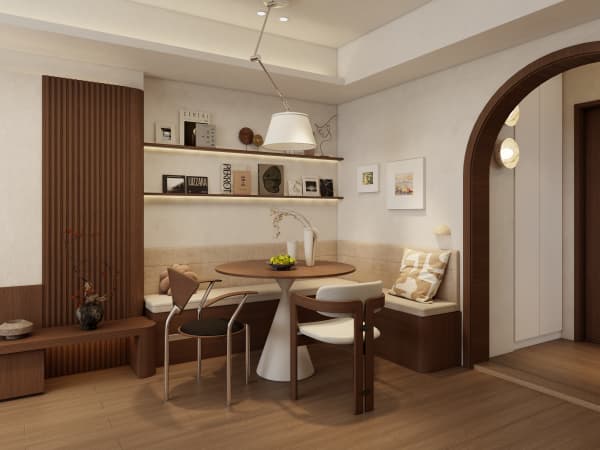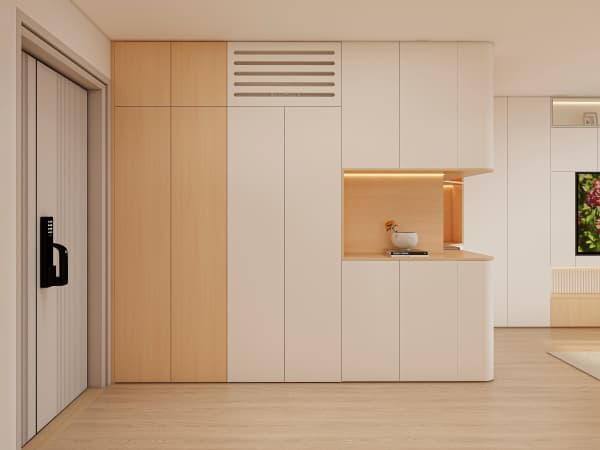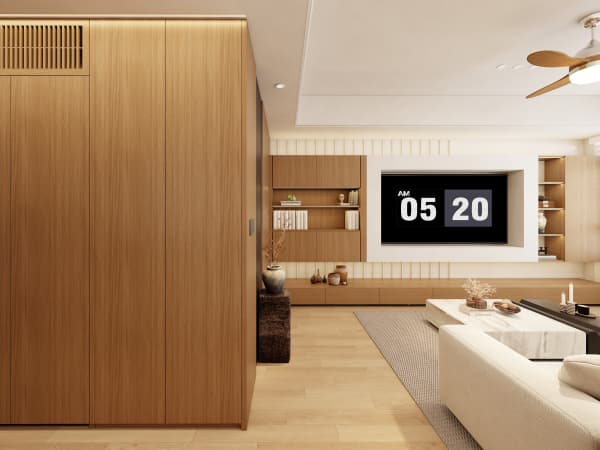
Carpentry Materials Singapore: Real a guide without the fuss
For a Carpentry Materials in Singapore, the budget is only half the story. The other half is the permit, the timeline and the people you hire, and those three decide whether the home feels right a year on.
Understanding indoor air and board grade in Singapore
The board grade decides what you breathe. In a sealed Singapore flat with the air-con on, a poor board off-gasses into a small space for weeks. E0 and ENF ratings are the local benchmarks, and the certifying body should be named on the certificate. Treat this as a health spec, equal to the hinge or the edge.
How comparing board grades affect your schedule
Price follows grade and origin. A branded E0 plywood costs more than a generic E1, and the gap is real in a sealed room. Use the database to set a floor: pick the lowest grade that meets your air and water needs, then spend the saving on hardware where it shows.
Where particle board value usually go wrong
The trick with particle board is the hardware. Because the core is soft, hinges and hinges screws need the right fittings or the holes wallow out. Use screwed-in inserts rather than driving straight into the board, and the doors stay put. Most warranty claims on particle board come from bad fixing, not bad board.
A practical view of low-emission board choices
Indoor air in a sealed Singapore flat matters, so board grade is a health call, not just a price. Look for E0 or ENF rated boards, which emit the least formaldehyde, and ask the carpenter for the test certificate, not just the label. The difference shows in the first weeks after install, when a poor board smells and a good one does not.
Getting carpentry warranties sorted early
Keep a record of the board grade, the hinge type and the invoice dates in a single file. When a drawer runner fails in year two, that file is what the carpenter needs to honour the claim without argument. Five minutes of notes today saves a long search and a denied claim three years on.
A practical view of typical carpentry budgets
Carpentry in a Singapore home spans a wide range. A basic kitchen and a couple of wardrobes can land at S$8,000 to S$12,000, while a full-home build with plywood, soft-close hardware and a feature wall often reaches S$25,000 to S$40,000. The board grade and the amount of custom work move the number more than the room count.
Understanding plywood for wet areas in Singapore
Near the sink and the cooktop, moisture and heat decide which board survives. Plywood, made of cross-laminated veneers, holds its shape far better than particle board when it gets damp, so most carpenters use it for sink cabinets and the kickboard zone. A good birch or hardwood plywood in Singapore runs about S$6,000 to S$9,000 for a full kitchen, and it is money well spent where water sits.
A practical view of hinges and soft-close fittings
Brand class is matters less than the spec and the fix. A mid-range hinge set properly beats a top name driven into a soft core. Ask the carpenter which hinge and which runner, by load rating, and write it down. The hardware line on the quote is where you learn the true quality.
The numbers matter: a a dual-key condo unit with a helper room and a S$30,000 cap still gets a full plywood base and soft-close fittings if the owner cuts the face-grade and keeps the inside honest. The feel stays, the cost drops.
Where MDF and laminate options usually go wrong
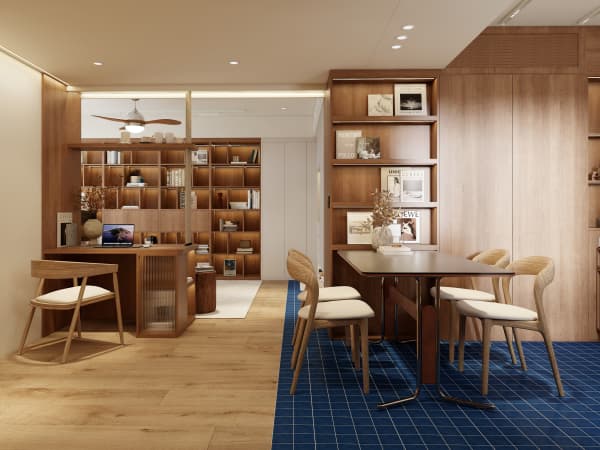
Medium-density fibreboard (MDF) takes a smooth laminate finish better than any other board, which is why it shows up in wardrobes and feature walls. It is stable and cheap to shape, but it drinks water, so it belongs in dry areas only. A plain laminate door on MDF costs less than a plywood equivalent and looks clean in a bedroom.
Take a studio apartment as a typical case: the owner had three bedrooms to fit, and the carpenter planned the storage around the actual items rather than a standard grid, which removed the dead corners that plague smaller Singapore homes.
Understanding custom versus ready furniture in Singapore
Ready furniture wins on price and speed for the common pieces, and you can see it before you buy. The trap is forcing a standard size into a tight room and living with the gap. A mix works best: custom for the fixed walls, ready for the movable pieces you may take along.
Every Carpentry Materials in Singapore is a chain of choices, and the chain is only as strong as its weakest link. Get the permit, the plan and the people right, and the rest of the build takes care of itself.
One more point worth a line: keep the contact of the person who owns your project in a single note, with the quote, the permit and the warranty. When something needs a fix in year two, that note is what turns a denied claim into a quick visit. The paper you file today is the service you get later.
A small habit that pays off is to photograph the finished work at handover, before the furniture goes in. The shots show the edges, the gaps and the mitres as they should be, and give you proof if a fault appears after. Five minutes with a phone beats a week of argument about what changed.
Think about the next owner too. A clean, compliant build with the paperwork in order sells faster and for more, because the buyer's lawyer has fewer questions. The work you do for yourself also works for the resale, so treat the records as part of the asset, not just the receipt.
Do not chase the lowest number at the cost of the details. A job that saves on the edge banding and the hinge shows it within a year, and the fix costs more than the saving. Spend on the parts you touch daily, and the home feels right long after the photos are taken.
Finally, give the build a week before you judge it. Wood settles, doors find their rest, and a small adjustment at the start of use prevents a bigger one later. A carpenter who returns for the punch-list is worth more than one who disappears the day the balance is paid.