Carpentry Timeline Singapore: Better plans for landed homes
A Carpentry Timeline in Singapore is not a single purchase but a sequence of choices. Each choice locks the next, so the owners who plan the chain end up with a home that quietly does its job every day.
Understanding BTO key collection steps in Singapore
The HDB deposit for new flats is refunded after you meet the renovation conditions, including the permit and the neighbour notice. Keep the receipts and the letters in one file. First-time owners lose these and then wait weeks for a refund that should have been quick.
Getting HDB renovation permits sorted early
In Singapore, HDB flats cannot be renovated on a whim. The registered owner appoints a licensed builder, who submits the works to HDB for a renovation permit. The permit covers hacking, wall tiling, rewiring and the carpentry scope. Most approvals clear within a week, but anything touching structure draws extra checks. The builder files the paperwork, yet the owner stays responsible for what goes into the flat.
Getting typical carpentry budgets sorted early
If cash is tight, the renovation loan from HDB for flats can reach S$30,000 at about 5 percent, and banks offer similar amounts for private homes. Spread the big-ticket items, and keep a 10 percent buffer for the changes you will inevitably want once the walls come down. Few renovations end at the first quote.
Where resale flat renovation order usually go wrong
Because there is no HDB deposit clock, some owners renovate in phases. Do the wet works first while the place is empty, then move in and add the carpentry later. This spreads cost and lets you learn how you live before you build the perfect drawer.
Common questions about choosing a contractor
Chemistry counts because you will talk for weeks. A contractor who explains the trade-offs in plain words, who flags a problem before it costs you, is worth a small premium. The cheapest bid that goes quiet after deposit is the most expensive job you will ever run.
In Tengah, a an executive apartment often comes with an awkward service yard, and the build that works treats it as a second kitchen rather than a dump. A S$60,000 budget stretches further when the yard pulls its weight.
Getting carpentry warranties sorted early
Keep a record of the board grade, the hinge type and the invoice dates in a single file. When a drawer runner fails in year two, that file is what the carpenter needs to honour the claim without argument. Five minutes of notes today saves a long search and a denied claim three years on.
Where the five-day neighbour notice usually go wrong
Five days is short, so plan the hack for after the notice clears, not during. Some owners start prep works that skirt the rule and regret it when a complaint stops the job. The notice is a small pause that protects the whole schedule, so honour it.
Where HDB renovation timelines usually go wrong
Time slips mostly come from waiting, not from building. Permit approval, MCST slot booking for condos, and cabinet lead times of two to three weeks are the usual culprits. A realistic plan blocks the carpenter only after hacking, tiling and painting are done, so the boards are not scratched on site. Owners who front-load the paperwork finish weeks earlier.
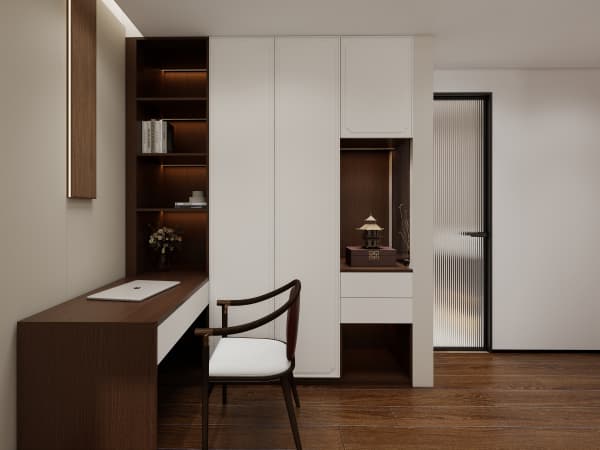
In Woodlands, a a landed intermediate terrace often comes with an awkward service yard, and the build that works treats it as a second kitchen rather than a dump. A S$20,000 budget stretches further when the yard pulls its weight.
Getting renovation stages in order sorted early
The carpenter sits late in the order for a reason. Building cabinets before the walls are true wastes the boards. Measure after tiling and painting, build in the workshop, install near the end. Owners who rush the carpenter in front of the painter pay for scratched faces and gaps at the skirting.
Understanding payment milestone schedules in Singapore
Hold back 10 percent until the punch-list closes. Small faults surface in the first两周 of use: a door that drops, a drawer that binds. The final slice is your tool to get them fixed without a fight. Release it when the home works, not when the carpenter asks.
A Carpentry Timeline in Singapore is only as good as the record you keep of it. Note the board grade, the hinge type and the warranty dates, and the home will still close cleanly long after the renovation photos are forgotten.
One more point worth a line: keep the contact of the person who owns your project in a single note, with the quote, the permit and the warranty. When something needs a fix in year two, that note is what turns a denied claim into a quick visit. The paper you file today is the service you get later.
A small habit that pays off is to photograph the finished work at handover, before the furniture goes in. The shots show the edges, the gaps and the mitres as they should be, and give you proof if a fault appears after. Five minutes with a phone beats a week of argument about what changed.
Think about the next owner too. A clean, compliant build with the paperwork in order sells faster and for more, because the buyer's lawyer has fewer questions. The work you do for yourself also works for the resale, so treat the records as part of the asset, not just the receipt.
Do not chase the lowest number at the cost of the details. A job that saves on the edge banding and the hinge shows it within a year, and the fix costs more than the saving. Spend on the parts you touch daily, and the home feels right long after the photos are taken.
Finally, give the build a week before you judge it. Wood settles, doors find their rest, and a small adjustment at the start of use prevents a bigger one later. A carpenter who returns for the punch-list is worth more than one who disappears the day the balance is paid.
Match the build to how you actually live, not to a showroom you visited once. The kitchen you cook in and the wardrobe you open daily should reflect your routine, because a home that fits your habits is the one you stop noticing, and that is the highest praise a renovation can earn.