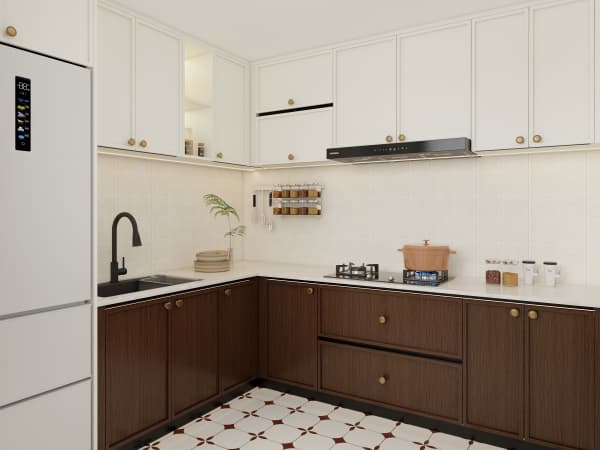
Carpentry Timeline Singapore: Building in Sengkang
The phrase Carpentry Timeline in Singapore covers more than cabinets. It means reading the flat, the rules and your own habits before a single measurement is taken, because the early choices decide the late regrets.
A practical view of BTO key collection steps
The HDB deposit for new flats is refunded after you meet the renovation conditions, including the permit and the neighbour notice. Keep the receipts and the letters in one file. First-time owners lose these and then wait weeks for a refund that should have been quick.
What typical carpentry budgets cost you in the end
If cash is tight, the renovation loan from HDB for flats can reach S$30,000 at about 5 percent, and banks offer similar amounts for private homes. Spread the big-ticket items, and keep a 10 percent buffer for the changes you will inevitably want once the walls come down. Few renovations end at the first quote.
Common questions about the five-day neighbour notice
Five days is short, so plan the hack for after the notice clears, not during. Some owners start prep works that skirt the rule and regret it when a complaint stops the job. The notice is a small pause that protects the whole schedule, so honour it.
Understanding HDB renovation permits in Singapore
In Singapore, HDB flats cannot be renovated on a whim. The registered owner appoints a licensed builder, who submits the works to HDB for a renovation permit. The permit covers hacking, wall tiling, rewiring and the carpentry scope. Most approvals clear within a week, but anything touching structure draws extra checks. The builder files the paperwork, yet the owner stays responsible for what goes into the flat.
For a maisonette in Buangkok with a budget near S$18,000, the practical move is to fix the kitchen and the wardrobes first, because those are the spaces used every day, then phase the rest as the money allows.

Where renovation stages in order usually go wrong
The carpenter sits late in the order for a reason. Building cabinets before the walls are true wastes the boards. Measure after tiling and painting, build in the workshop, install near the end. Owners who rush the carpenter in front of the painter pay for scratched faces and gaps at the skirting.
How HDB renovation timelines shape the final result
Time slips mostly come from waiting, not from building. Permit approval, MCST slot booking for condos, and cabinet lead times of two to three weeks are the usual culprits. A realistic plan blocks the carpenter only after hacking, tiling and painting are done, so the boards are not scratched on site. Owners who front-load the paperwork finish weeks earlier.
How carpentry warranties affect your schedule
Keep a record of the board grade, the hinge type and the invoice dates in a single file. When a drawer runner fails in year two, that file is what the carpenter needs to honour the claim without argument. Five minutes of notes today saves a long search and a denied claim three years on.
The numbers matter: a a compact 3-room resale with three bedrooms and a S$12,000 cap still gets a full plywood base and soft-close fittings if the owner cuts the face-grade and keeps the inside honest. The feel stays, the cost drops.
Understanding payment milestone schedules in Singapore
The deposit protects the workshop from a no-show, but anything above 50 percent before you see work is a risk. In Singapore, disputes over renovation deposits are common, so keep records of every transfer and the stage it covered. A written schedule with amounts removes the grey area.
How resale flat renovation order shape the final result
Because there is no HDB deposit clock, some owners renovate in phases. Do the wet works first while the place is empty, then move in and add the carpentry later. This spreads cost and lets you learn how you live before you build the perfect drawer.
A practical view of choosing a contractor
The site visit tells you more than the portfolio. Look at the edge banding, the gap at the worktop, the soft-close feel. A neat sample board means little; a finished home with clean mitres means everything. Bring a level if you can, and run a drawer to hear the close.
A Carpentry Timeline in Singapore rewards owners who measure twice and pay in stages. Plan the trades in order, choose materials for where they sit, and the build will outlast the inevitable trend that replaces it.
One more point worth a line: keep the contact of the person who owns your project in a single note, with the quote, the permit and the warranty. When something needs a fix in year two, that note is what turns a denied claim into a quick visit. The paper you file today is the service you get later.
A small habit that pays off is to photograph the finished work at handover, before the furniture goes in. The shots show the edges, the gaps and the mitres as they should be, and give you proof if a fault appears after. Five minutes with a phone beats a week of argument about what changed.
Think about the next owner too. A clean, compliant build with the paperwork in order sells faster and for more, because the buyer's lawyer has fewer questions. The work you do for yourself also works for the resale, so treat the records as part of the asset, not just the receipt.
Do not chase the lowest number at the cost of the details. A job that saves on the edge banding and the hinge shows it within a year, and the fix costs more than the saving. Spend on the parts you touch daily, and the home feels right long after the photos are taken.
Finally, give the build a week before you judge it. Wood settles, doors find their rest, and a small adjustment at the start of use prevents a bigger one later. A carpenter who returns for the punch-list is worth more than one who disappears the day the balance is paid.
Match the build to how you actually live, not to a showroom you visited once. The kitchen you cook in and the wardrobe you open daily should reflect your routine, because a home that fits your habits is the one you stop noticing, and that is the highest praise a renovation can earn.