Carpentry Timeline Singapore: Smart moves for tight spaces
Search trends show that a Carpentry Timeline in Singapore is one of the most searched home projects, yet few guides explain the order of works clearly. This piece walks the sequence the way local builders actually run it.
A practical view of HDB renovation permits
The permit exists to protect the block, not to slow you down. HDB checks that proposed works will not touch load-bearing walls, will not exceed the floor loading limit of about 200 kg per square metre, and will keep fire-safety items intact. Owners forget that even moving a door or building a feature wall needs declaration. Get the permit before any work starts, because fixing unpermitted works costs far more than the fee.
Understanding carpentry warranties in Singapore
The warranty is only as good as the firm behind it. A sole proprietor who retires in two years leaves you with a paper guarantee. Prefer a registered company with a track record, and note the claim lead time. Some shops respond in days, others go quiet. A quick call to their office before you sign tells you which camp they are in.
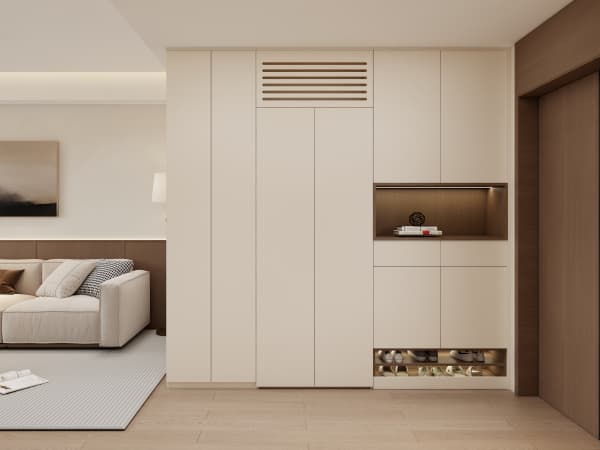
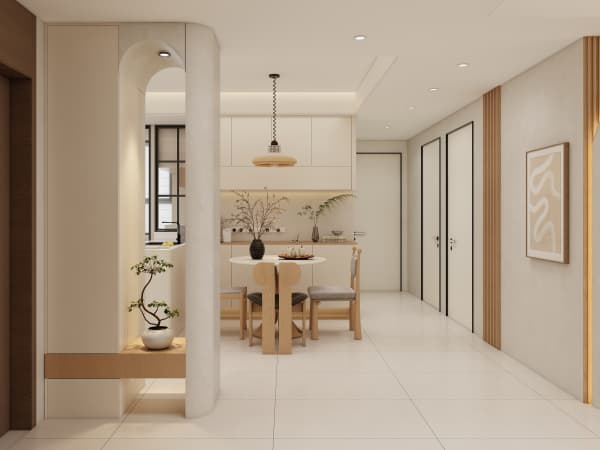
Take a maisonette as a typical case: the owner had a balcony extension to fit, and the carpenter planned the storage around the actual items rather than a standard grid, which removed the dead corners that plague smaller Singapore homes.
Common questions about the five-day neighbour notice
Five days is short, so plan the hack for after the notice clears, not during. Some owners start prep works that skirt the rule and regret it when a complaint stops the job. The notice is a small pause that protects the whole schedule, so honour it.
Understanding renovation stages in order in Singapore
Hold a weekly site check at each handover. When the tiler leaves, walk the floor for hollow tiles. When the painter leaves, check the edges. Catching a fault before the next trade covers it saves a fight later. The stage checks are the cheapest insurance in the whole job.
Getting resale flat renovation order sorted early
Because there is no HDB deposit clock, some owners renovate in phases. Do the wet works first while the place is empty, then move in and add the carpentry later. This spreads cost and lets you learn how you live before you build the perfect drawer.
How payment milestone schedules affect your schedule
Hold back 10 percent until the punch-list closes. Small faults surface in the first两周 of use: a door that drops, a drawer that binds. The final slice is your tool to get them fixed without a fight. Release it when the home works, not when the carpenter asks.
The numbers matter: a a resale 5-room flat with a wet and dry kitchen and a S$12,000 cap still gets a full plywood base and soft-close fittings if the owner cuts the face-grade and keeps the inside honest. The feel stays, the cost drops.
A practical view of typical carpentry budgets
Carpentry in a Singapore home spans a wide range. A basic kitchen and a couple of wardrobes can land at S$8,000 to S$12,000, while a full-home build with plywood, soft-close hardware and a feature wall often reaches S$25,000 to S$40,000. The board grade and the amount of custom work move the number more than the room count.
Understanding BTO key collection steps in Singapore
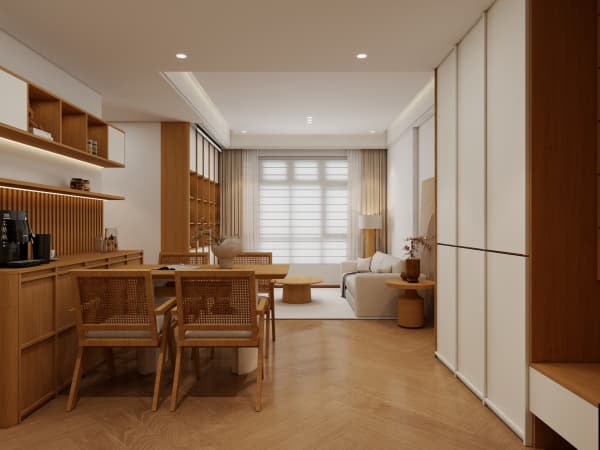
Use the defect window well. Walk every room with the checklist, test the switches, check the tiles for hollow spots. The items you miss now stay your cost later. Coordinate this with your carpenter so the cabinet measure happens after the defects are settled and the walls are true.
What choosing a contractor cost you in the end
The site visit tells you more than the portfolio. Look at the edge banding, the gap at the worktop, the soft-close feel. A neat sample board means little; a finished home with clean mitres means everything. Bring a level if you can, and run a drawer to hear the close.
How HDB renovation timelines affect your schedule
A full renovation in a Singapore flat rarely finishes in two weeks. For a 4-room resale, carpentry alone takes three to four weeks once the base works are done, and the whole job often runs six to ten weeks. BTO flats add the HDB defect rectification window before you can tile. Plan around school holidays and the monsoon if you can, since wet works slow in heavy rain.
For anyone starting a Carpentry Timeline in Singapore, the lesson is simple: slow at the front, steady through the middle, careful at the end. The owners who follow that rhythm are the ones who never redo the job.
One more point worth a line: keep the contact of the person who owns your project in a single note, with the quote, the permit and the warranty. When something needs a fix in year two, that note is what turns a denied claim into a quick visit. The paper you file today is the service you get later.
A small habit that pays off is to photograph the finished work at handover, before the furniture goes in. The shots show the edges, the gaps and the mitres as they should be, and give you proof if a fault appears after. Five minutes with a phone beats a week of argument about what changed.
Think about the next owner too. A clean, compliant build with the paperwork in order sells faster and for more, because the buyer's lawyer has fewer questions. The work you do for yourself also works for the resale, so treat the records as part of the asset, not just the receipt.
Do not chase the lowest number at the cost of the details. A job that saves on the edge banding and the hinge shows it within a year, and the fix costs more than the saving. Spend on the parts you touch daily, and the home feels right long after the photos are taken.
Finally, give the build a week before you judge it. Wood settles, doors find their rest, and a small adjustment at the start of use prevents a bigger one later. A carpenter who returns for the punch-list is worth more than one who disappears the day the balance is paid.