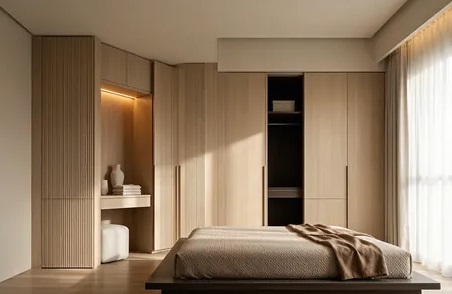
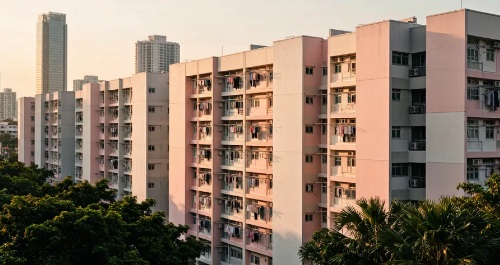
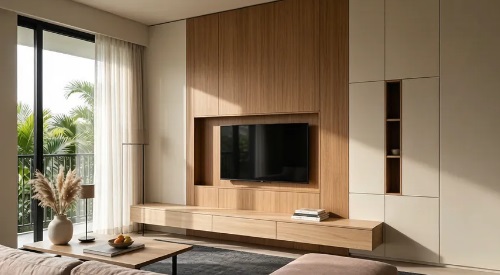
Custom Furniture for Seniors: Easy Reach and Safe Heights
Designing for ageing parents means thinking about reach and risk first, and Custom Furniture built to safe heights keeps everyday items within easy grasp while cutting the chance of a fall. A few centimetres of planning spares a lot of strain.
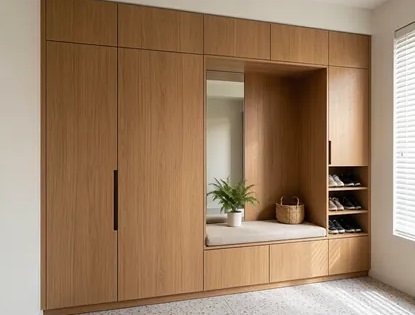
How Custom Furniture Keeps the Home Safer
Off-the-shelf cabinets assume an able-bodied adult. Seniors often need lower tops, shallower shelves, and handles that don't demand a strong grip. We adjust every dimension to the person, not the showroom.
The changes that matter most:
- Counter height at 800-850mm instead of the standard 900mm, so prep happens without hunching.
- Upper cabinets stopped at 1.5m so the top shelf stays reachable from a stool, not a climb.
- Pull-out shelves that bring the back of the cabinet forward, no deep reaching.
- Open toe space under sinks and counters so a wheelchair or walking frame fits.
Reach Zones We Design Around
Think of the body in three bands. The comfortable band runs from the waist to the shoulder — that's where daily items live. The low band (below the knee) and the high band (above the head) are for things used rarely.
Daily zone: plates, mugs, medication, the rice cooker. Keep these between 700mm and 1.4m.
Rare zone: festive ware, spare linens, suitcases. These can sit high or low, out of the path.
Avoid the bend-and-stretch combo. A shelf at knee height that's also deep forces an awkward crouch. We make low cabinets pull out instead.
Safe Materials and Easy Handles
Slips start with surfaces. We choose finishes that hold up to careful, older hands.
Laminate over plywood stays easy to clean and doesn't splinter if knocked. A matte finish avoids glare that bothers older eyes.
Rounded edges on every corner and panel front. A sharp 90-degree edge is a hip-level hazard in a narrow HDB corridor; a 5mm radius softens the blow.
C- pulls and D-handles beat knobs. A closed hand can catch a rail; a round knob needs pinch strength that arthritis reduces. We fit long rails so the door opens with a push of the forearm.
Non-reflective fronts in lighter tones help a dim room feel safer. Dark gloss shows every smear and can read as a step or a wall edge.
Lighting and Fall Prevention
Poor light causes more falls than most people admit. Pair the furniture with simple lighting:
Motion sensors inside wardrobes and along the bathroom path mean no hunting for a switch in the dark.
Toe-kick glow under the bedside and kitchen cabinets marks the floor line for night trips.
Contrast at edges. A slightly darker toe board against a light floor helps the eye judge the step down.
These small lights add roughly S$300 to S$1,200 to a senior-friendly build and pay back in confidence.
Budget, Timeline, and HDB Notes
A senior-adapted wardrobe or kitchen segment runs roughly S$1,500 to S$5,000, depending on fittings like pull-outs and soft-close. It sits inside the usual S$30k to S$70k whole-flat renovation range.
Allow 6 to 10 weeks from measure to install. We take extra time at the measuring stage to note mobility aids, chair heights, and the parent's own reach, then reflect that in the 3D plan.
HDB rules don't block this kind of cabinetry — it's non-structural. The 1-year defect liability period covers any fitting that loosens, so a pull-out that sticks in month eight gets fixed free by your contractor.
Condo MCST by-laws may need a workslot and deposit for the install. Book it early so the build isn't held up by the management calendar.
Small Changes, Real Peace of Mind
You don't need a full rebuild to help an ageing parent. Start with the two spaces they use most — the kitchen and the bedroom — and adjust heights there first.
Watch them use the current setup for a week. Where do they stretch, bend, or swear? That moment is your brief.
Good custom furniture for seniors isn't about gadgets. It's about removing the small daily risks so mum or dad keeps their independence at home. If a parent is moving in or ageing in place, it's worth designing the heights around them from the start.