Singapore HDB Kitchen Carpenter: Laminate vs Acrylic Doors
A Singapore HDB kitchen carpenter knows the door face is the only part of the cabinet you see every day, so the finish you pick sets the whole mood of the room. The two common choices are laminate and acrylic, and while both hang on the same box, they look, clean, and age in opposite ways. The right pick depends on how much shine you want and how often you wipe.
Laminate, the practical default
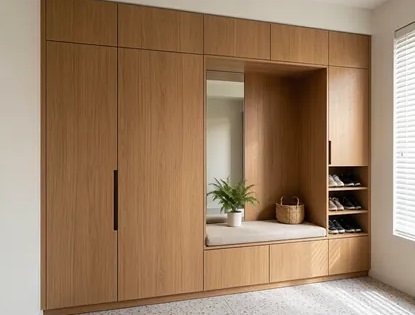
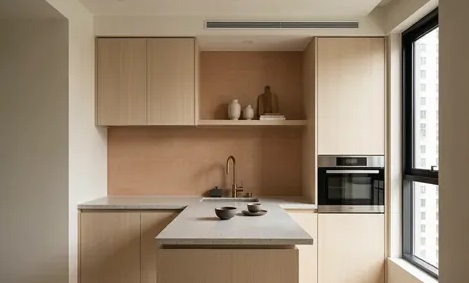
High-pressure laminate is the workhorse of Singapore kitchens. It is non-porous, resists water completely, shrugs off scratches, and lasts 10 to 15 years in the humidity. Matte laminate hides fingerprints and needs only a damp cloth, which is why most families pick it. Gloss laminate looks more modern but shows every smear, so it suits a cook who wipes as they go.
The weak point is the edge. Laminate is a surface sheet bonded to the board, and a poor heat-bonded edge can delaminate near the sink. Ask the carpenter for ABS edge banding with sealed joints, because that seam is where water gets in. Done well, laminate is the best value in the market by a clear margin.
Acrylic, the mirror finish
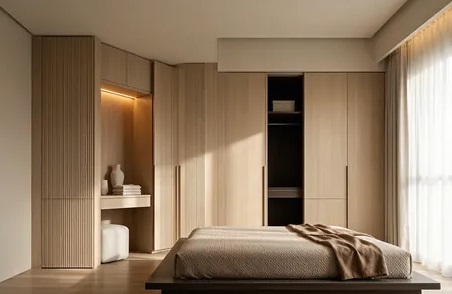
Acrylic doors are a solid glossy sheet that reads like glass. They make a small kitchen feel larger because they bounce light, and they suit the modern luxury look with fluted panels and ambient strips. The cost is up front and ongoing: acrylic shows fingerprints, water marks, and fine scratches, and it needs a careful hand with cleaning to avoid swirls.
Acrylic also runs warmer to the touch and can yellow slightly in direct sun over many years, though UV-stable grades reduce this. For a kitchen that faces the afternoon west window, laminate or a matte finish ages better than acrylic.
Matching finish to the room
An open kitchen puts the doors on display from the living room, so acrylic or a high-gloss laminate earns its keep there. An enclosed kitchen used hard every day does better with matte laminate that hides the mess. The carcass underneath should be E0 plywood either way, because a pretty door on a swelling box is a short-lived finish.
Cost separates them mostly at the premium end. Laminate doors on plywood land in the S$4,800 to S$7,200 kitchen range. Acrylic pushes the top of that range and beyond. Spend the difference only where the shine pays you back in looks you actually notice.
Colour that hides the mess
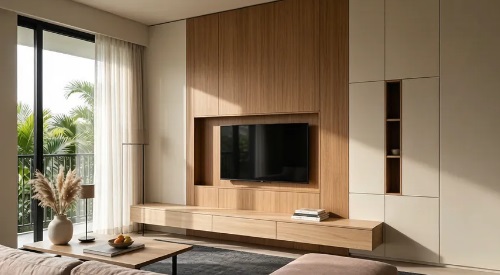
White gloss looks clean in the showroom and shows every smear at home. A mid-tone matte laminate, greige or warm grey, hides the daily marks and needs less wiping, which is why most families quietly choose it after the first month. Wood-grain laminate adds warmth without the upkeep of real timber, and it pairs with the Japandi look many Singapore flats now favour. Pick the finish you can live with unwashed for a day, because that is the real test. A door you must wipe after every cook becomes a chore, and the kitchen should lighten your load, not add to it.
Pick laminate to forget about it, acrylic to show it off. Either way the door is only as good as the box it closes, so specify the carcass first and the face second.