Singapore HDB Renovation Guide: Permits and Approvals
This HDB Renovation Guide Singapore piece gives you the one thing that trips up most owners: knowing what needs HDB's nod before you start. In 2025/2026 the rules under the Housing & Development (Renovation Control) Rules 2006 are still strict. Get the permit question right early and you skip fines and rebuilds later.
Permits and approvals. What needs a permit
Plenty of HDB renovation work can be done with zero paperwork. But a chunk of it legally needs a permit and a registered contractor. I've seen owners slap on new tiles in a toilet only to get flagged because the flat was a fresh BTO still inside its protected window.
Here is what pulls you into permit territory:
- Hacking non-structural walls to open up a room.
- Changing floor or wall tiles in toilets. Note: BTO flats are not allowed to hack and retile toilets in the first 3 years, though overlay is allowed.
- Replacing windows and grilles with HDB-approved designs, done by a BCA-trained window contractor.
- Repositioning doors.
- Rewiring beyond existing points, handled by a Licensed Electrical Worker under EMA.
- Plumbing changes, by a PUB-licensed plumber.
- Any structural changes, signed off by a Professional Engineer registered with PEB.
None of these need a permit, so go ahead without HDB:
- Painting and wallpaper.
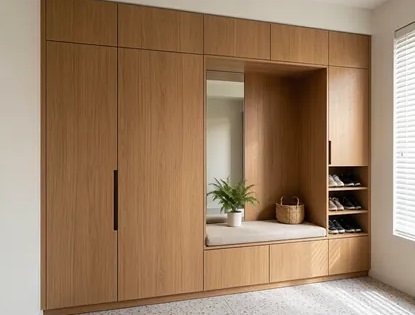
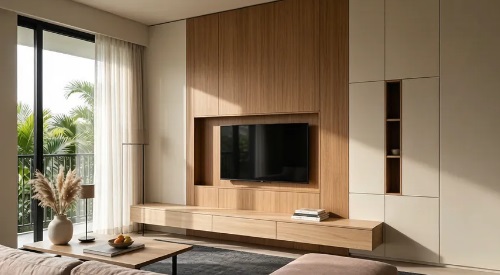
- Installing carpentry like wardrobes, TV consoles, and shoe cabinets.
- Vinyl overlay flooring with no hacking.
- Swapping light fittings and hanging curtains or blinds.
Keep in mind the hard no-go list. You can never hack structural walls, beams, or columns. Don't remove RC ledges (the aircon ledges), relocate toilets or kitchens, change the external façade, or load a floor beyond 150kg per square metre. I've watched owners lose their permit deposit over a ledge they thought was "just concrete".

Step-by-step permit application and timeline
The process is simpler than people fear. Here is the path I walk clients through:
- Engage a contractor from HDB's Directory of Renovation Contractors (DRC). Only DRC-listed firms can do permit works.
- The contractor submits the permit application to HDB with your flat details and the scope of works.
- HDB reviews. Simple cases clear in 3 to 7 days. More complex jobs take up to 3 weeks.
- Once approved, the permit is valid for 3 months for a new BTO and 1 month for a resale flat.
- Works must finish within that validity, or you reapply.
Plan backwards from your key collection date. A resale permit clock of just 1 month is tight if your contractor is busy, so I tell owners to line up the submission the moment the Option to Purchase is signed.
Who signs off on the work
Different trades need different licensed professionals. This is where the HDB-approved contractor matters, because they coordinate the right people.
For electrical work that goes beyond existing points, a Licensed Electrical Worker registered under EMA must handle and certify it. Structural changes need a Professional Engineer from PEB. Plumbing work requires a PUB-licensed plumber. Windows and grilles must go through BCA-trained installers using HDB-approved designs.
Punishment for cutting corners is real. Unauthorized structural work can draw a fine up to S$5,000 plus mandatory reinstatement. Using an unlicensed contractor carries a fine up to S$5,000. Working outside permitted hours adds up to S$1,000. Quiet works like hacking and drilling are allowed only 9am to 5pm on weekdays. Sundays and public holidays are off limits entirely.
My rule of thumb: if the work touches structure, water, wires, or windows, assume you need a permit and a licensed name on the form. It costs a bit more up front and saves a world of pain.