Custom Furniture for Kitchens: Open Shelves Done the Right Way
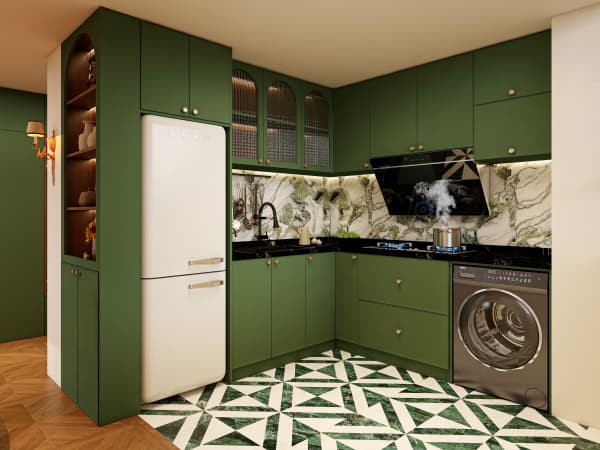
Custom Furniture makes open shelving work in a Singapore kitchen when the shelves are sized to your real items and placed away from the fryer, not styled like a cafe you never cook in. Done right, open shelves cut the cost of upper cabinets and keep daily ware in plain sight. Done wrong, they become a greasy dust trap.
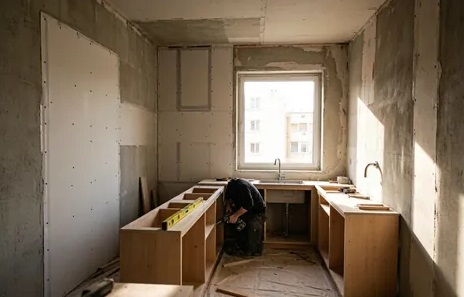
Where open shelves earn their place
Open shelving is not for everywhere. Put it where you reach often and where oil does not fly.
- Beside the window — away from the hob, so splatter stays off your plates.
- Above the sink — a dry zone, good for glasses and the everyday mugs.
- The coffee and tea station — one short shelf for the machine, cups and jars keeps the counter clear.
- Not above the stove — that is where cabinets belong, because grease lands there daily.
Size each shelf to what it holds
The mistake most people make is one long shelf at one depth. We plan by item, the way a pantry buyer would.
- Plate shelf — 300 to 350mm deep, spaced 350mm apart so stacked plates clear the one above.
- Mug rail — a 150mm lip shelf with a hanging rail below for hooks; mugs drain and dry there.
- Jar shelf — 250mm deep is enough for spice and pasta jars turned label-out.
- Appliance nook — one deeper 400mm shelf for the blender, but only if it sits clear of steam.
Fix the brackets into the wall studs or use HDB-safe wall plugs, because a loaded shelf of plates is heavier than it looks.
Custom Furniture with a hidden backing
The wall behind open shelves gets marked by handles and drips. We solve that with a backing panel built as part of the shelf.
Laminate back panel — wipes clean and hides the tile behind it, so you can run a plain colour.
Upstand in the same material — a 50mm lip at the back stops items sliding off and keeps the wall clean.
This is the detail that keeps open shelves looking fresh after six months of daily use, not just on move-in day.
Materials that survive the kitchen air
Warm, humid, occasionally oily — that is our kitchen climate, and the shelf must take it.
- Solid oak or teak — strong and warm, but oil it once or twice a year or it greys near the window.
- Plywood with edge banding — steady, affordable, and takes a laminate face for easy cleaning.
- Metal brackets, wood shelves — a slim steel bracket reads light and will not rust if it is powder-coated.
- Avoid raw MDF — any edge near the sink will puff up the first time a glass overflows.
Rules, cost and build time
Open shelves are fixed fittings, so no HDB approval is needed as long as you stay off structural walls and the window grille. Use the right anchors and you are fine. Condo owners should check MCST rules on drilling into common walls, though internal kitchen walls are usually yours to work.
A run of three to four custom shelves costs roughly S$400 to S$1,200, far less than upper cabinets, and it is often made alongside the rest of the carpentry in the same 6-to-10-week measure-to-install window.
Most owners keep this inside the S$30k-70k renovation budget and use the savings to upgrade the drawers below.
Open shelves work when they hold the things you use, not the things you want guests to see. Start with the mugs and plates you reach for at breakfast, and let the rest stay behind the cabinet doors.