Custom Furniture Value: Paying More for the Right Reasons
Custom Furniture is worth paying more for only when the extra money buys function, durability, or space you'll actually use every day, not a label or a showroom finish.
Where extra spend truly earns back
Some upgrades pay you back in time saved and stress avoided. Spend there without guilt.
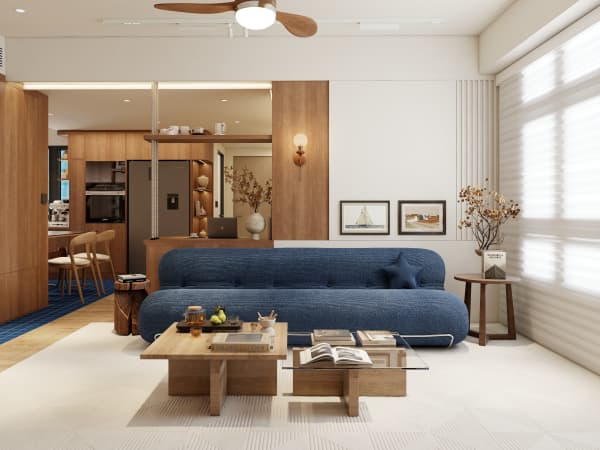
Smart storage in tight rooms – a 4-room HDB at about 90 sqm gains real living space from a well-drawn built-in.
Durable hardware – branded soft-close fittings outlast cheap ones by years.
Better edge sealing – resists our humidity and stops the dreaded peeling edge.
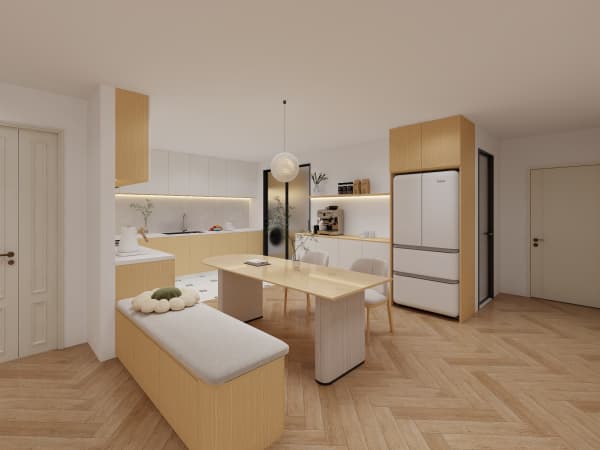
Correct board for the room – moisture-resistant carcass in the kitchen spares a rebuild.
These aren't flash. They're the difference between a home that works in year five and one that fights you from year two.
Custom Furniture value in small spaces
In Singapore flats, square metre is precious. Custom pieces earn their price by using corners a ready-made item would waste.
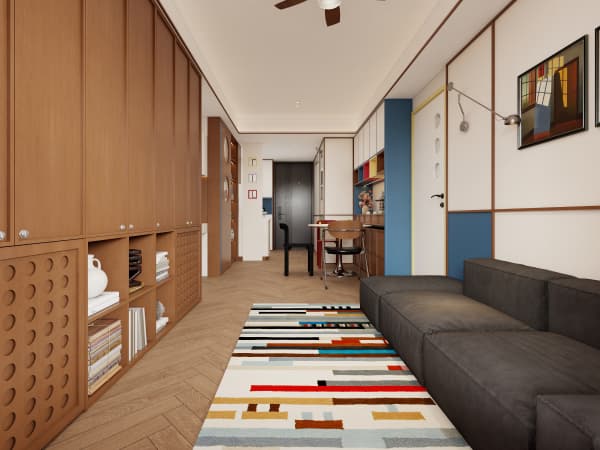
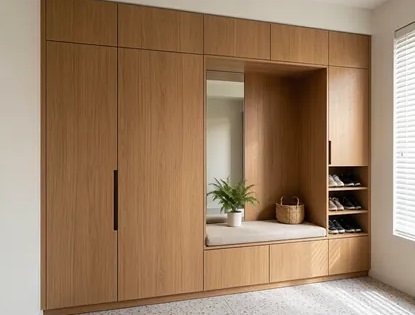
A platform bed with drawers beneath can replace a separate dresser. A wardrobe that reaches the ceiling recovers a full metre of vertical space most off-the-shelf units ignore. A study nook tucked into a corridor turns dead wall into a desk.
That recovered space has a value of its own. When a built-in lets you drop one piece of loose furniture, the maths starts to favour the custom route even at a higher ticket.
When the cheaper option is the smart one
Paying more isn't automatic wisdom. There are clear cases for staying lean.
Guest rooms – used rarely, so a simpler build is fine.
Hidden internals – nobody sees the shelf material; don't gold-plate it.
Trend finishes – a colour you'll tire of isn't worth the premium tier.
Open shelving – skips doors and hardware entirely, and looks clean doing it.
Value is about the right spend in the right spot. A mix of plain and premium almost always beats all-premium across the whole home.
Resale and the long view
Whole-house customization can help resale when it's done with restraint. Buyers in Singapore like built-in wardrobes and a proper kitchen because they mean less work on moving in.
But over-personalised pieces – a TV feature wall in a very specific style, odd-sized niches – can read as "to be removed" to the next owner. Neutral, functional builds hold value better than loud ones.
Think of the 1-year defect period as part of the value too. A firm that stands behind its work saves you from quietly funding repairs yourself later.
How to decide what's worth it
Use one simple test for every upgrade the designer suggests: will I touch, see, or rely on this daily?
If yes, pay for the better version. If no, keep it plain and bank the difference. A kitchen you cook in every night deserves good runners. A display cabinet for items you'll forget earns nothing extra.
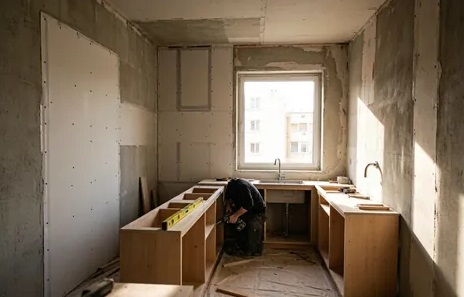
Custom furniture gives the best return when it solves a real problem in your day. Spend where the home actually lives, stay sensible elsewhere, and the value shows up not as a bigger bill but as a place that simply works.