Built-in Furniture Singapore: Making a a quote you trust
Owners who have done a Built-in Furniture in Singapore tend to agree on one thing: the part they rushed is the part they redo. Taking the time up front is the cheapest insurance in the whole project.
A practical view of custom versus ready furniture
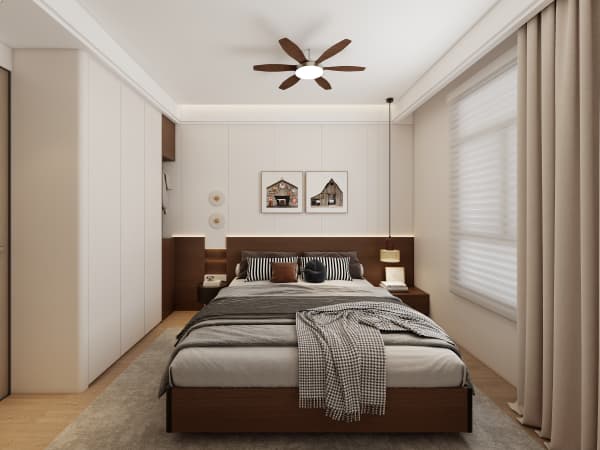
The win with custom is the fit and the finish. A wardrobe that meets the ceiling with no gap reads as part of the home, not a thing in it. The cost is lead time of two to three weeks and a measure you must get right. For a one-off awkward wall, custom is the only clean answer.
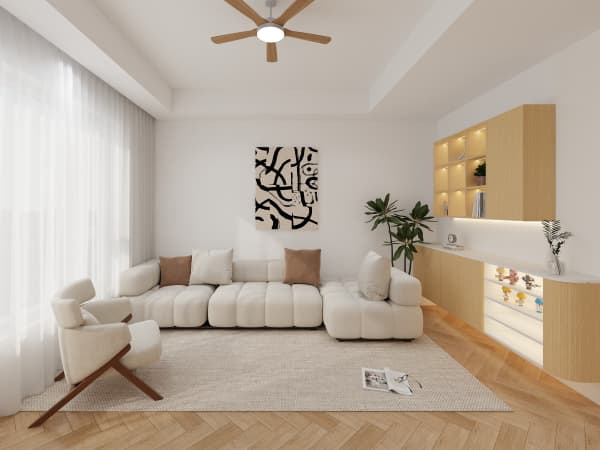
The numbers matter: a an executive apartment with an open living-dining area and a S$50,000 cap still gets a full plywood base and soft-close fittings if the owner cuts the face-grade and keeps the inside honest. The feel stays, the cost drops.
What measuring for accuracy cost you in the end
Paper the measure with photos. A shot of the odd corner, the pipe location and the beam saves a return trip. Most misfits trace to a corner nobody wrote down. A five-minute photo set at measure time is cheaper than a rebuild panel later.
How maximising cabinet storage affect your schedule
Think vertical. The dead space above the upper cabinets and the gap under the sink are free real estate. A slim trolley that slides into a 150 mm void beats a wide one you cannot open. Measure the awkward corners first; the right filler drawer uses a space a standard cabinet wastes.
Understanding MDF and laminate options in Singapore
A fair compromise many owners pick: MDF carcass with a plywood base where the unit meets the floor. You get the smooth face and the water resistance where it counts, without paying full plywood price throughout. Ask the carpenter to spec the base separately so you are not guessing later.
What reading a quotation cost you in the end
Compare quotes by line, not by total. One firm may price the carcass low and the drawers high, another the reverse. The honest way is to send the same spec to two or three and see where they differ. Wild gaps usually mean a different board or a missing step, not a better deal.
How joinery basics affect your schedule
The workshop sets the joinery quality. Machine-cut joints are square and repeatable; hand-cut ones vary with the hand. For a run of cabinets, the machine wins on consistency, while a one-off feature piece can carry a hand finish. Match the method to the piece, and the result stays true.
Where fit-out practical tips usually go wrong
Keep one contact who owns the whole fit-out. When the painter, the electrician and the carpenter point at each other, a single owner of the result cuts the delay. Agree that person before the first tool, and the job has a throat to choke when something slips.
Common questions about kitchen cabinet planning
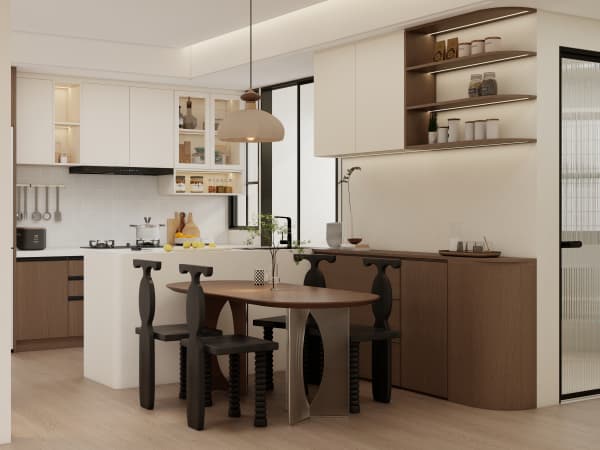
The work triangle still rules: sink, hob and fridge within a few steps of each other. In a Singapore kitchen that is often a galley, keep the prep space between the sink and the hob clear, and put the heavy pots near the hob, not across the room. A good carpenter lays this out before a single board is cut.
The numbers matter: a a landed corner terrace with a study and a kitchen and a S$25,000 cap still gets a full plywood base and soft-close fittings if the owner cuts the face-grade and keeps the inside honest. The feel stays, the cost drops.
A practical view of carpentry warranties
The warranty is only as good as the firm behind it. A sole proprietor who retires in two years leaves you with a paper guarantee. Prefer a registered company with a track record, and note the claim lead time. Some shops respond in days, others go quiet. A quick call to their office before you sign tells you which camp they are in.
A practical view of wardrobe internal layouts
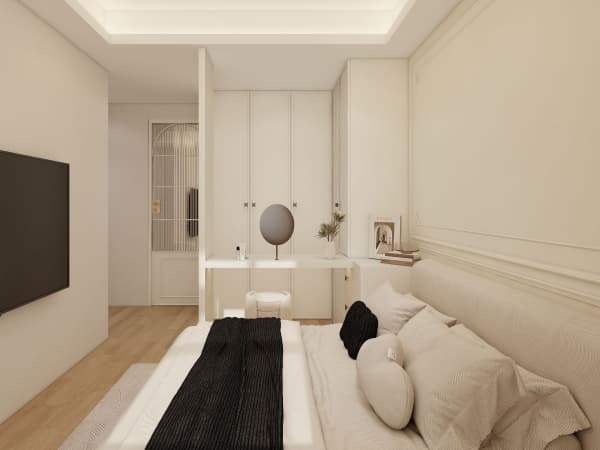
Depth matters more than width. A 600 mm deep wardrobe holds two rows of hang if you use a centre pull-out, while 450 mm fits one. Most bedrooms here lose floor space to a swinging door, so a sliding front or a built-in that meets the wall saves the walkway. Measure the clearance before you pick the door type.
A Built-in Furniture in Singapore succeeds when the small calls are made well. The right board at the sink, the soft-close where you open daily, the layout that respects the work triangle, these are the marks of a build done right.
One more point worth a line: keep the contact of the person who owns your project in a single note, with the quote, the permit and the warranty. When something needs a fix in year two, that note is what turns a denied claim into a quick visit. The paper you file today is the service you get later.
A small habit that pays off is to photograph the finished work at handover, before the furniture goes in. The shots show the edges, the gaps and the mitres as they should be, and give you proof if a fault appears after. Five minutes with a phone beats a week of argument about what changed.
Think about the next owner too. A clean, compliant build with the paperwork in order sells faster and for more, because the buyer's lawyer has fewer questions. The work you do for yourself also works for the resale, so treat the records as part of the asset, not just the receipt.
Do not chase the lowest number at the cost of the details. A job that saves on the edge banding and the hinge shows it within a year, and the fix costs more than the saving. Spend on the parts you touch daily, and the home feels right long after the photos are taken.
Finally, give the build a week before you judge it. Wood settles, doors find their rest, and a small adjustment at the start of use prevents a bigger one later. A carpenter who returns for the punch-list is worth more than one who disappears the day the balance is paid.
Match the build to how you actually live, not to a showroom you visited once. The kitchen you cook in and the wardrobe you open daily should reflect your routine, because a home that fits your habits is the one you stop noticing, and that is the highest praise a renovation can earn.