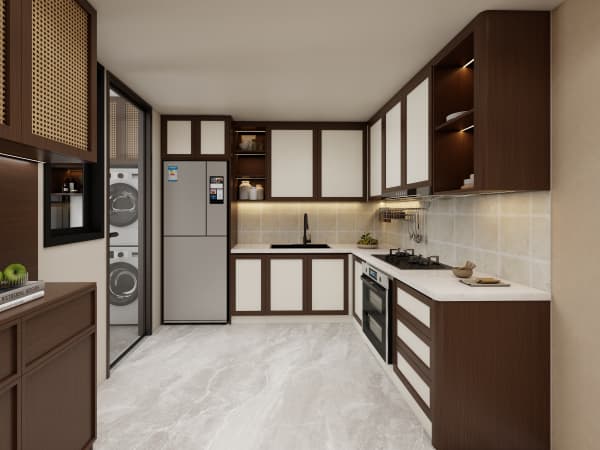
Carpenter Near Me Singapore: Useful ideas that fit
Search trends show that a Carpenter Near Me in Singapore is one of the most searched home projects, yet few guides explain the order of works clearly. This piece walks the sequence the way local builders actually run it.
Where renovation stages in order usually go wrong
The carpenter sits late in the order for a reason. Building cabinets before the walls are true wastes the boards. Measure after tiling and painting, build in the workshop, install near the end. Owners who rush the carpenter in front of the painter pay for scratched faces and gaps at the skirting.
For a 5-room resale flat in Bukit Batok with a budget near S$25,000, the practical move is to fix the kitchen and the wardrobes first, because those are the spaces used every day, then phase the rest as the money allows.
A practical view of HDB renovation permits
In Singapore, HDB flats cannot be renovated on a whim. The registered owner appoints a licensed builder, who submits the works to HDB for a renovation permit. The permit covers hacking, wall tiling, rewiring and the carpentry scope. Most approvals clear within a week, but anything touching structure draws extra checks. The builder files the paperwork, yet the owner stays responsible for what goes into the flat.
Where checking for defects usually go wrong

Edges reveal the build. A laminate that lifts at the corner, a mitre that does not meet, a panel with a chip at the kickboard, these are the tells. A careful carpenter fixes them before you see them; a rushed one hopes you will not. The check is your proof either way.
How reading a quotation shape the final result
Compare quotes by line, not by total. One firm may price the carcass low and the drawers high, another the reverse. The honest way is to send the same spec to two or three and see where they differ. Wild gaps usually mean a different board or a missing step, not a better deal.
For a corner terrace house in Woodlands with a budget near S$18,000, the practical move is to fix the kitchen and the wardrobes first, because those are the spaces used every day, then phase the rest as the money allows.
How choosing a contractor shape the final result
The site visit tells you more than the portfolio. Look at the edge banding, the gap at the worktop, the soft-close feel. A neat sample board means little; a finished home with clean mitres means everything. Bring a level if you can, and run a drawer to hear the close.
A practical view of the five-day neighbour notice
In HDB renovations, hacking triggers a five-day written notice to the households above and beside you. It is a courtesy and a rule: it lets neighbours protect their items from vibration and dust. The builder handles the notice, but the owner should confirm it went out before the breaker starts.
How using a contractor list shape the final result
Use the list to compare scope, not just price. Send the same spec to each shortlisted firm and read the returns side by side. The firm that asks the most questions about your habits often builds the best job, because they design to you, not to a template they reuse.
How common layout mistakes shape the final result
The top mistake is building storage you will not use. Owners copy a showroom layout, then find the wine rack and the open shelf gather dust while the drawers overflow. Plan around your real habits, not a magazine. A short list of what you own beats a tall cabinet of intent.
A practical view of payment milestone schedules
The deposit protects the workshop from a no-show, but anything above 50 percent before you see work is a risk. In Singapore, disputes over renovation deposits are common, so keep records of every transfer and the stage it covered. A written schedule with amounts removes the grey area.
Getting carpentry warranties sorted early
A carpentry warranty in Singapore typically runs one to five years, with the better shops giving three. Read what it covers: warping, delamination and faulty hinges are fair game, but water damage from a leaking pipe is usually on you. Get the coverage and the claim process in writing, because a verbal promise fades by the time something breaks.
A Carpenter Near Me in Singapore rewards owners who measure twice and pay in stages. Plan the trades in order, choose materials for where they sit, and the build will outlast the inevitable trend that replaces it.
One more point worth a line: keep the contact of the person who owns your project in a single note, with the quote, the permit and the warranty. When something needs a fix in year two, that note is what turns a denied claim into a quick visit. The paper you file today is the service you get later.
A small habit that pays off is to photograph the finished work at handover, before the furniture goes in. The shots show the edges, the gaps and the mitres as they should be, and give you proof if a fault appears after. Five minutes with a phone beats a week of argument about what changed.
Think about the next owner too. A clean, compliant build with the paperwork in order sells faster and for more, because the buyer's lawyer has fewer questions. The work you do for yourself also works for the resale, so treat the records as part of the asset, not just the receipt.
Do not chase the lowest number at the cost of the details. A job that saves on the edge banding and the hinge shows it within a year, and the fix costs more than the saving. Spend on the parts you touch daily, and the home feels right long after the photos are taken.
Finally, give the build a week before you judge it. Wood settles, doors find their rest, and a small adjustment at the start of use prevents a bigger one later. A carpenter who returns for the punch-list is worth more than one who disappears the day the balance is paid.
Match the build to how you actually live, not to a showroom you visited once. The kitchen you cook in and the wardrobe you open daily should reflect your routine, because a home that fits your habits is the one you stop noticing, and that is the highest praise a renovation can earn.