
Carpentry Warranty Singapore: Doing a study that focuses
When people plan a Carpentry Warranty in Singapore, they usually want a straight answer on cost, timeline and what the rules allow. The short version is that good planning beats luck every single time.
Where hinges and soft-close fittings usually go wrong
Drawer runners matter as much as hinges. Full-extension runners let you reach the back without a fishing expedition, and a soft-close version protects the contents. For heavy pots, rate the runner to the load, not the catalogue minimum. A runner that sags is the sound of a job done to price.
A practical view of custom versus ready furniture
Ready furniture wins on price and speed for the common pieces, and you can see it before you buy. The trap is forcing a standard size into a tight room and living with the gap. A mix works best: custom for the fixed walls, ready for the movable pieces you may take along.
Common questions about checking for defects
The defect walk is where you earn your money back. Open every drawer, run every door, tap the worktop for hollow spots, and sight the edges for gaps. A 30-minute check at handover catches what a year of annoyance would. Bring a torch and a level, and write down what you find.
Understanding plywood for wet areas in Singapore
Near the sink and the cooktop, moisture and heat decide which board survives. Plywood, made of cross-laminated veneers, holds its shape far better than particle board when it gets damp, so most carpenters use it for sink cabinets and the kickboard zone. A good birch or hardwood plywood in Singapore runs about S$6,000 to S$9,000 for a full kitchen, and it is money well spent where water sits.
A practical view of payment milestone schedules
The deposit protects the workshop from a no-show, but anything above 50 percent before you see work is a risk. In Singapore, disputes over renovation deposits are common, so keep records of every transfer and the stage it covered. A written schedule with amounts removes the grey area.
How reading a quotation affect your schedule
Watch the variation clauses. A quote at S$15,000 that becomes S$22,000 after 'unforeseen' items hurts more than a S$19,000 firm quote. Ask what triggers a variation and cap it in writing. Most reasonable carpenters will agree to a 10 percent ceiling if you ask before signing.
Common questions about choosing a contractor
Chemistry counts because you will talk for weeks. A contractor who explains the trade-offs in plain words, who flags a problem before it costs you, is worth a small premium. The cheapest bid that goes quiet after deposit is the most expensive job you will ever run.
In Simei, a a compact 3-room resale often comes with an awkward service yard, and the build that works treats it as a second kitchen rather than a dump. A S$50,000 budget stretches further when the yard pulls its weight.
Getting carpentry warranties sorted early
A carpentry warranty in Singapore typically runs one to five years, with the better shops giving three. Read what it covers: warping, delamination and faulty hinges are fair game, but water damage from a leaking pipe is usually on you. Get the coverage and the claim process in writing, because a verbal promise fades by the time something breaks.
Getting indoor air and board grade sorted early
Ventilation closes the gap. After install, run a fan for a week and sleep elsewhere if you can. The smell test is real: a persistent chemical tang means a board or glue below standard. Push the supplier for the cert, and if they hesitate, walk. The cheap board is never cheap once the window stays shut.
Common questions about renovation stages in order
Renovation is a relay, not a race. Hack first, then the wet trades tile and screed, then electrical and plumbing first-fix, then paint, then the carpenter measures and builds, then the second fix and the clean. Each stage blocks the next, so a delay at the front echoes to the end. A clear schedule keeps the chain moving.
For a condo apartment in Pasir Ris with a budget near S$15,000, the practical move is to fix the kitchen and the wardrobes first, because those are the spaces used every day, then phase the rest as the money allows.
The real win from a Carpentry Warranty in Singapore is a home that fits how you live, not how a showroom looks. Build to your habits, keep the paperwork, and the daily use will thank you for years.
One more point worth a line: keep the contact of the person who owns your project in a single note, with the quote, the permit and the warranty. When something needs a fix in year two, that note is what turns a denied claim into a quick visit. The paper you file today is the service you get later.
A small habit that pays off is to photograph the finished work at handover, before the furniture goes in. The shots show the edges, the gaps and the mitres as they should be, and give you proof if a fault appears after. Five minutes with a phone beats a week of argument about what changed.
Think about the next owner too. A clean, compliant build with the paperwork in order sells faster and for more, because the buyer's lawyer has fewer questions. The work you do for yourself also works for the resale, so treat the records as part of the asset, not just the receipt.
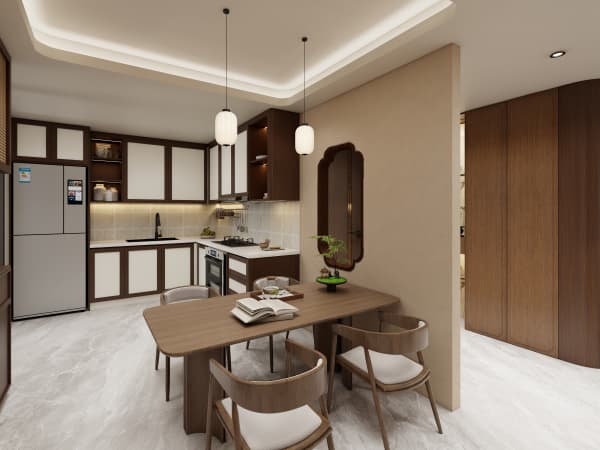
Do not chase the lowest number at the cost of the details. A job that saves on the edge banding and the hinge shows it within a year, and the fix costs more than the saving. Spend on the parts you touch daily, and the home feels right long after the photos are taken.
Finally, give the build a week before you judge it. Wood settles, doors find their rest, and a small adjustment at the start of use prevents a bigger one later. A carpenter who returns for the punch-list is worth more than one who disappears the day the balance is paid.
Match the build to how you actually live, not to a showroom you visited once. The kitchen you cook in and the wardrobe you open daily should reflect your routine, because a home that fits your habits is the one you stop noticing, and that is the highest praise a renovation can earn.