Condo Fit-Out Singapore: Notes on that keeps the air clean
A Condo Fit-Out in Singapore is not a single purchase but a sequence of choices. Each choice locks the next, so the owners who plan the chain end up with a home that quietly does its job every day.
A practical view of plywood for wet areas
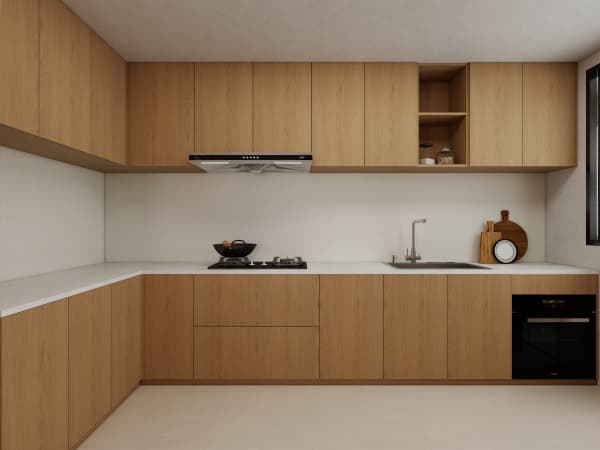
The weak point of any board is the edge. Even plywood swells if the laminate edge peels, so ask for PVC or ABS edge banding that is glued and not just stuck on. In a landing where the dishwasher leaks, sealed edges buy you years. Pair the board with a backsplash that goes at least 600 mm up the wall and the cabinet legs stay dry.
Getting choosing a contractor sorted early
The site visit tells you more than the portfolio. Look at the edge banding, the gap at the worktop, the soft-close feel. A neat sample board means little; a finished home with clean mitres means everything. Bring a level if you can, and run a drawer to hear the close.
A practical view of open kitchens and town gas
Check the gas meter location before you redesign. Moving it is possible but adds cost and a separate appointment. Some layouts let you keep the enclosed kitchen for gas and open the dining side instead, getting the airy feel without losing the flame. A carpenter who knows the rule saves you a redo.
How HDB renovation timelines affect your schedule
Time slips mostly come from waiting, not from building. Permit approval, MCST slot booking for condos, and cabinet lead times of two to three weeks are the usual culprits. A realistic plan blocks the carpenter only after hacking, tiling and painting are done, so the boards are not scratched on site. Owners who front-load the paperwork finish weeks earlier.
How layered lighting plans shape the final result
One ceiling light in a kitchen leaves shadows exactly where you chop. Layer the light: a bright task strip under the upper cabinets, a soft ambient glow overhead, and a focused downlight over the hob. In Singapore flats where the kitchen often doubles as a passage, this split makes the room usable at every hour.
Getting renovation stages in order sorted early
Renovation is a relay, not a race. Hack first, then the wet trades tile and screed, then electrical and plumbing first-fix, then paint, then the carpenter measures and builds, then the second fix and the clean. Each stage blocks the next, so a delay at the front echoes to the end. A clear schedule keeps the chain moving.
The numbers matter: a a compact 3-room resale with a bomb shelter store and a S$28,000 cap still gets a full plywood base and soft-close fittings if the owner cuts the face-grade and keeps the inside honest. The feel stays, the cost drops.
A practical view of reading a quotation
Compare quotes by line, not by total. One firm may price the carcass low and the drawers high, another the reverse. The honest way is to send the same spec to two or three and see where they differ. Wild gaps usually mean a different board or a missing step, not a better deal.
Understanding maximising cabinet storage in Singapore
Edit before you build. Owners who plan storage around what they actually own end up with less but better. Count the pots, the food containers, the rice cooker. A carpenter can only optimise what you describe, so a short inventory session saves a cabinet you will never fill.
In Tampines, a a compact 3-room resale often comes with an awkward service yard, and the build that works treats it as a second kitchen rather than a dump. A S$8,000 budget stretches further when the yard pulls its weight.
Getting condo MCST renovation rules sorted early
The MCST cares most about the common property: lifts, corridors, risers and the neighbours below. You will usually need to lay protection on the lift and the route to your unit, and to use the designated debris chute or loading bay. Hacking near a shear wall or within the apartment still needs the right approvals. A builder who knows your development saves you from repeated fines.
How typical carpentry budgets shape the final result
Carpentry in a Singapore home spans a wide range. A basic kitchen and a couple of wardrobes can land at S$8,000 to S$12,000, while a full-home build with plywood, soft-close hardware and a feature wall often reaches S$25,000 to S$40,000. The board grade and the amount of custom work move the number more than the room count.
Good carpentry for a Condo Fit-Out in Singapore is the kind you stop noticing because nothing goes wrong. Treat the build as a system rather than a set of cabinets, and the result earns its place in your home.
One more point worth a line: keep the contact of the person who owns your project in a single note, with the quote, the permit and the warranty. When something needs a fix in year two, that note is what turns a denied claim into a quick visit. The paper you file today is the service you get later.
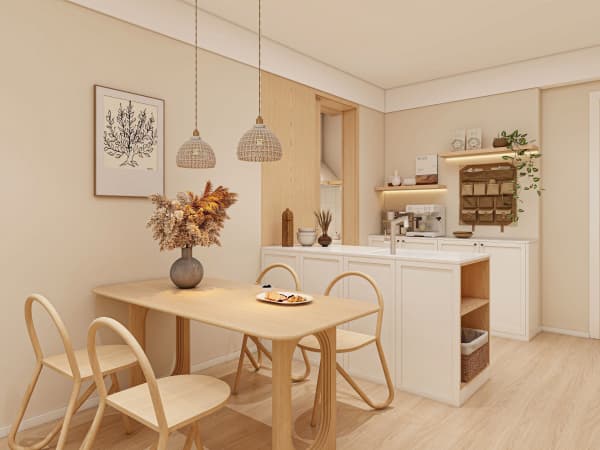
A small habit that pays off is to photograph the finished work at handover, before the furniture goes in. The shots show the edges, the gaps and the mitres as they should be, and give you proof if a fault appears after. Five minutes with a phone beats a week of argument about what changed.
Think about the next owner too. A clean, compliant build with the paperwork in order sells faster and for more, because the buyer's lawyer has fewer questions. The work you do for yourself also works for the resale, so treat the records as part of the asset, not just the receipt.
Do not chase the lowest number at the cost of the details. A job that saves on the edge banding and the hinge shows it within a year, and the fix costs more than the saving. Spend on the parts you touch daily, and the home feels right long after the photos are taken.
Finally, give the build a week before you judge it. Wood settles, doors find their rest, and a small adjustment at the start of use prevents a bigger one later. A carpenter who returns for the punch-list is worth more than one who disappears the day the balance is paid.