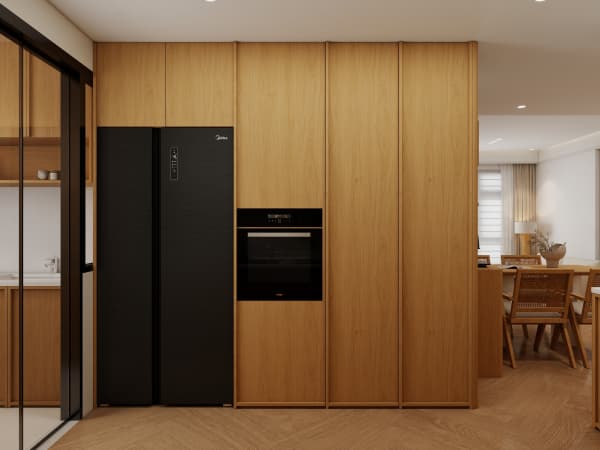
Contractor Directory Singapore: Real ideas for a BTO
A Contractor Directory in Singapore starts long before the first board is cut. Most owners underestimate how much the existing layout decides what is possible, and the same oversight shows up again and again.
What using a contractor list cost you in the end
Use the list to compare scope, not just price. Send the same spec to each shortlisted firm and read the returns side by side. The firm that asks the most questions about your habits often builds the best job, because they design to you, not to a template they reuse.
Understanding HDB renovation permits in Singapore
The permit exists to protect the block, not to slow you down. HDB checks that proposed works will not touch load-bearing walls, will not exceed the floor loading limit of about 200 kg per square metre, and will keep fire-safety items intact. Owners forget that even moving a door or building a feature wall needs declaration. Get the permit before any work starts, because fixing unpermitted works costs far more than the fee.
Take a maisonette as a typical case: the owner had a wet and dry kitchen to fit, and the carpenter planned the storage around the actual items rather than a standard grid, which removed the dead corners that plague smaller Singapore homes.
Understanding choosing a contractor in Singapore
The site visit tells you more than the portfolio. Look at the edge banding, the gap at the worktop, the soft-close feel. A neat sample board means little; a finished home with clean mitres means everything. Bring a level if you can, and run a drawer to hear the close.
Getting reading a quotation sorted early
A quotation should read like a bill of materials, not a single sum. Look for the board grade per cabinet, the edge type, the hinge brand class, the number of drawers, and the lighting. If an item is missing, assume the cheapest version, then decide. A clear quote also lists what is not included, like plumbing or hacking.
In Ang Mo Kio, a a maisonette often comes with an awkward service yard, and the build that works treats it as a second kitchen rather than a dump. A S$8,000 budget stretches further when the yard pulls its weight.
Where renovation stages in order usually go wrong
Renovation is a relay, not a race. Hack first, then the wet trades tile and screed, then electrical and plumbing first-fix, then paint, then the carpenter measures and builds, then the second fix and the clean. Each stage blocks the next, so a delay at the front echoes to the end. A clear schedule keeps the chain moving.
How carpentry warranties affect your schedule
A carpentry warranty in Singapore typically runs one to five years, with the better shops giving three. Read what it covers: warping, delamination and faulty hinges are fair game, but water damage from a leaking pipe is usually on you. Get the coverage and the claim process in writing, because a verbal promise fades by the time something breaks.
Getting payment milestone schedules sorted early
Hold back 10 percent until the punch-list closes. Small faults surface in the first两周 of use: a door that drops, a drawer that binds. The final slice is your tool to get them fixed without a fight. Release it when the home works, not when the carpenter asks.
Where checking for defects usually go wrong
The defect walk is where you earn your money back. Open every drawer, run every door, tap the worktop for hollow spots, and sight the edges for gaps. A 30-minute check at handover catches what a year of annoyance would. Bring a torch and a level, and write down what you find.
A practical view of common layout mistakes
Another is forgetting the worktop landing. A hob with no flat space beside it turns cooking into a juggle. Keep at least 400 mm of clear counter on each side of the cooktop and the sink. In a small Singapore kitchen this means choosing a smaller appliance, not a bigger cabinet.
How the five-day neighbour notice affect your schedule
Five days is short, so plan the hack for after the notice clears, not during. Some owners start prep works that skirt the rule and regret it when a complaint stops the job. The notice is a small pause that protects the whole schedule, so honour it.
Good carpentry for a Contractor Directory in Singapore is the kind you stop noticing because nothing goes wrong. Treat the build as a system rather than a set of cabinets, and the result earns its place in your home.

One more point worth a line: keep the contact of the person who owns your project in a single note, with the quote, the permit and the warranty. When something needs a fix in year two, that note is what turns a denied claim into a quick visit. The paper you file today is the service you get later.
A small habit that pays off is to photograph the finished work at handover, before the furniture goes in. The shots show the edges, the gaps and the mitres as they should be, and give you proof if a fault appears after. Five minutes with a phone beats a week of argument about what changed.
Think about the next owner too. A clean, compliant build with the paperwork in order sells faster and for more, because the buyer's lawyer has fewer questions. The work you do for yourself also works for the resale, so treat the records as part of the asset, not just the receipt.
Do not chase the lowest number at the cost of the details. A job that saves on the edge banding and the hinge shows it within a year, and the fix costs more than the saving. Spend on the parts you touch daily, and the home feels right long after the photos are taken.
Finally, give the build a week before you judge it. Wood settles, doors find their rest, and a small adjustment at the start of use prevents a bigger one later. A carpenter who returns for the punch-list is worth more than one who disappears the day the balance is paid.
Match the build to how you actually live, not to a showroom you visited once. The kitchen you cook in and the wardrobe you open daily should reflect your routine, because a home that fits your habits is the one you stop noticing, and that is the highest praise a renovation can earn.