Custom Furniture at shophouse: A Stroller Bay That Hides
Custom Furniture in a Singapore shophouse needs to respect the old bones of the building, and a stroller bay that hides is a neat fix for families who live where space is at a premium. You keep the stroller out of the way without blocking the five-foot way or the front hall.
Shophouse living and storage
Many local shophouses split into a narrow front and a deeper back, with a staircase eating into the floor. A stroller left in the path is a trip hazard for guests and kids alike, and it scrapes the heritage tiles.
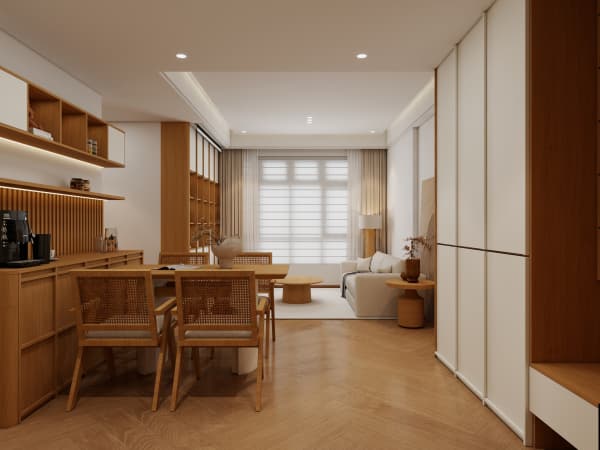
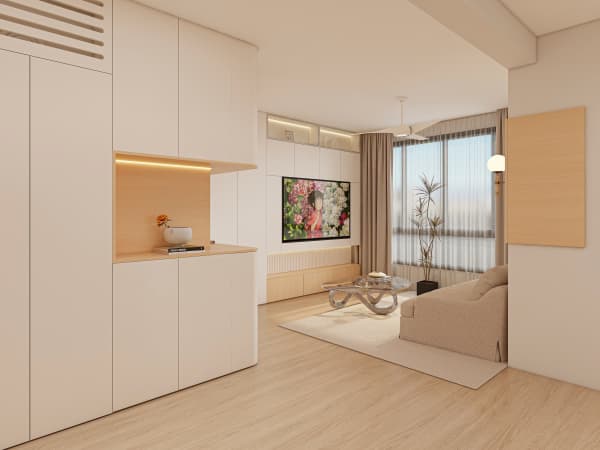
A recessed bay built into the wall under the stairs, or inside a false column, tucks the stroller flush so the corridor stays clear. It reads as part of the architecture rather than an afterthought bolted on.
How the hidden bay is built
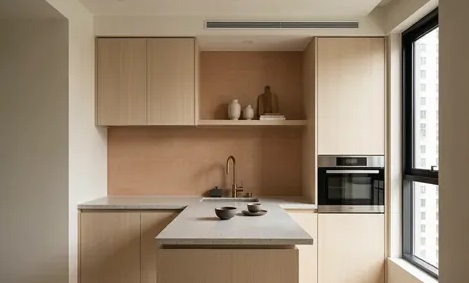
The bay uses dead space you'd otherwise lose. The steps we follow:
1. Find the recess. Under-stair voids and column returns are common in shophouses and perfect for a 60cm to 80cm deep niche.
2. Frame with plywood. It bends to the old wall's uneven surface better than rigid boards that leave gaps.
3. Add a push-to-open door. No handle means a clean face that blends with the wall and resists little hands.
4. Line the floor with laminate. Wheels roll in and out without scuffing the timber below the bay.
Materials that suit old walls
Shophouse walls are rarely straight. Plywood follows the curve and holds screws where MDF would crumble at the edge. A laminate finish resists the damp that seeps through older masonry after a heavy storm. Solid wood is lovely but pricier and fussier in these spots.
Custom Furniture costs and approvals
A concealed stroller bay averages S$900 to S$2,000, with measure-to-install around 6 to 10 weeks. Conservation shophouses may need URA approval if the work shows on the street face, so check before cutting into a facade. Inside works are usually straightforward with the right carpenter.
Condo rules don't apply here, but if your shophouse is part of a managed row, the neighbours will appreciate a tidy front that keeps the common path open.
Living with the bay
After the build, the stroller simply disappears into the wall, and the front hall stays open for visitors and deliveries. The push-open face means no fumbling with handles while you balance a child and bags on the way out the door each morning.
Give the bay a quick vacuum inside every month, since shophouse dust settles in old corners and the wheels track it in. A clean niche keeps the stroller rolling smooth and the whole front of house feeling ordered rather than crowded by baby gear.
If a second child arrives, the same bay takes a double stroller with the shelves adjusted, so you won't rebuild. That flexibility is the real win of shaping storage to the wall's hidden void instead of buying a freestanding rack that blocks the path.
A hidden stroller bay sounds small, but it changes how a family moves through the day. The kids' gear stays put, the hall stays open, and the shophouse keeps its character without modern life spilling across the floor.