Custom Furniture for platform: Our Humid Months, Handled
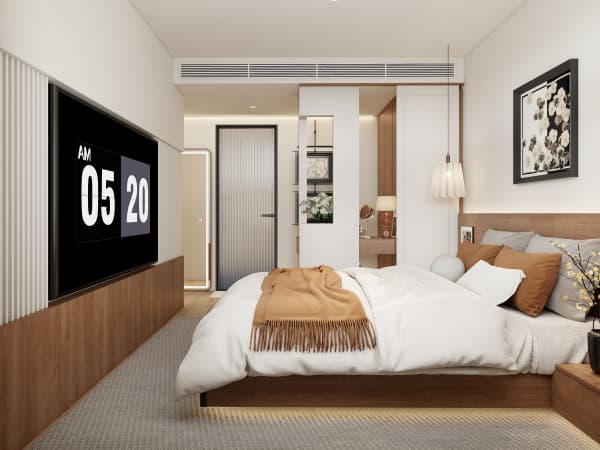
A raised platform bed built to handle Singapore's humid months uses materials and details that stop mould from taking hold underneath, so you sleep on a dry base instead of a damp one. Custom Furniture done this way treats humidity as the design problem it actually is, not an afterthought.
Why platforms trap moisture
A platform bed sits low and seals the floor beneath it. In our climate, that pocket stays warm and damp, and mould loves exactly that. A flat built panel with no gap becomes a breeding spot within a season if you're not careful. Custom Furniture built with vents sidesteps that problem before it starts.
The fix isn't fancy; it's airflow and the right board. Most mould problems come from sealing the base completely and using material that drinks water. Change those two things and the platform stays healthy for years.
Building Custom Furniture for our weather
Leave a vented gap. We cut discreet slots along the platform sides or fit a breathable mesh panel so air moves through. A completely closed base is the mistake to avoid, even if it looks tidier.
Use plywood rather than bare MDF for the structure. Plywood shrugs off minor damp better and won't puff up the way MDF does if a spill reaches the edge. A laminate top seals the sleeping surface and wipes clean.
Material pros and cons here
Plywood – stable, resists warp, costs mid-range. The safe pick for a humid platform.
MDF with laminate – flat and cheap, but swells if water gets past the edge. Seal well and keep spills off.
Solid wood – beautiful and breathable, but pricier and needs air-con to stay straight. Fine for the top slats, heavy on the budget for the whole base.
Laminate finish – easy care and many looks, though a lifted edge near the floor lets moisture in if knocked.
Cost and the build window
A platform with storage drawers runs on average S$1,500 to S$4,000 depending on size and whether it includes drawers. Vented builds cost about the same; the saving is in avoided mould repairs later.
From measuring to installation, allow roughly 6 to 10 weeks, in line with other custom work. If part of a bedroom reno, it sits inside the S$30k to S$70k budget for a full flat, with a 5-room giving about 110sqm to plan across.
HDB, condo, and the first year
Platforms are internal furniture, fine to build in both HDB and condo homes. Condo MCST rules govern renovation hours, so schedule the work inside permitted windows. New BTO flats carry a one-year defect liability period, so report any warped panel early while it's covered.
For 2025 and 2026, low platforms with built-in drawers are a common choice here because they add storage without a bulky frame. The trick buyers and owners alike should check is the ventilation, which separates a good one from a musty one.
Living with it through the year
Run the air-con or a fan occasionally to keep air moving under the base. Lift the mattress every few months and check for spots. Wipe laminate with a dry or lightly damp cloth, and fix any edge lift the moment you see it.
At resale, a dry, well-built platform reads as smart storage. A musty one does the opposite. The difference is almost always the ventilation and material, both decided at the build stage rather than after.
I tell clients the platform is the one piece humidity tests hardest. Get the airflow and the board right, and you forget it's there. Get them wrong, and you'll be smelling it every rainy week. The humid months don't negotiate, so the furniture has to.