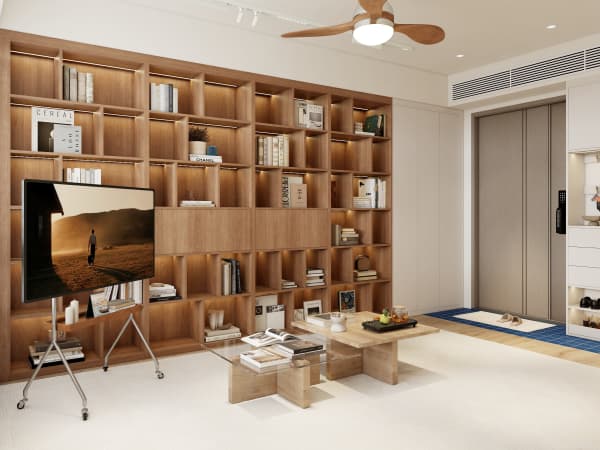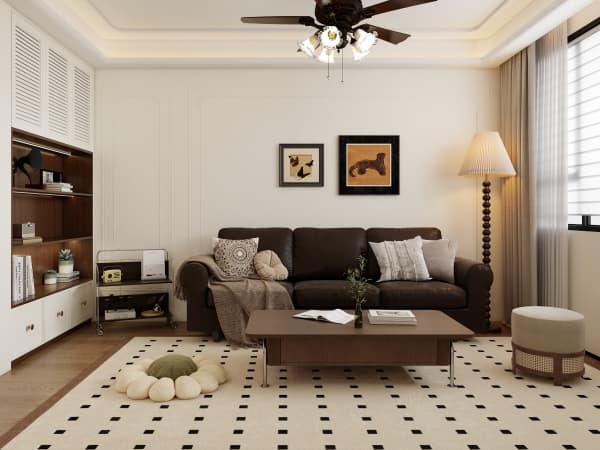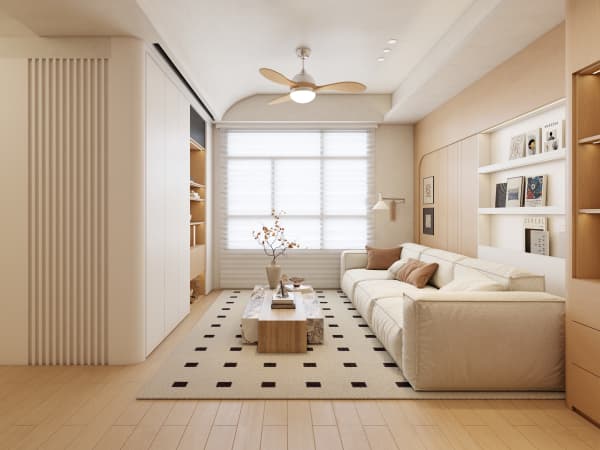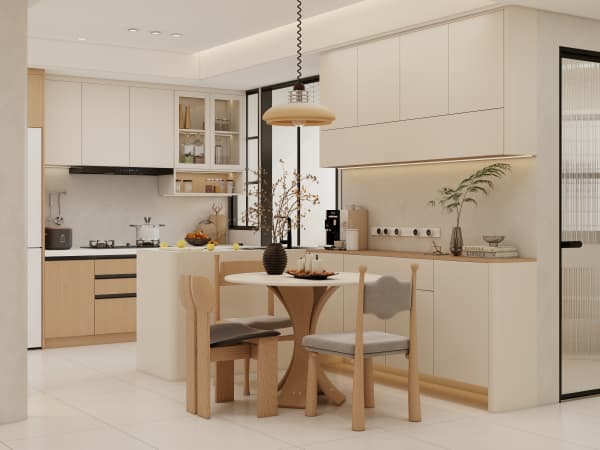
Custom Furniture with cabinet: From Sketch to Final Fit
Custom Furniture with a cabinet follows a clear path from sketch to final fit, and knowing each step keeps the project calm. The short version: measure, design, build, install, and the whole thing from first site visit to fitted cabinet runs roughly 6 to 10 weeks.
Step one: the site measure
Everything starts with a proper measure. The carpenter checks the wall, the floor level, and any slope in the concrete. In an HDB 4-room flat (about 90 sqm) or a 5-room (around 110 sqm), walls are rarely perfectly square, so the drawing has to follow the real room, not the floor plan.
For condos, this is also when you confirm the MCST rules. Built-ins inside your unit are usually fine, but don't plan around the fire-rated door, the sprinkler, or the electrical riser.
Bring your measurements of the things the cabinet must hold. A specific list beats a vague "make it big."
Step two: the design and sign-off
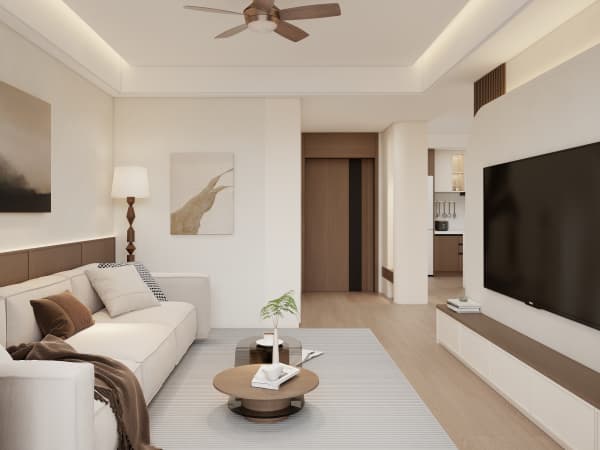
You get a sketch or a 3D drawing showing the layout, the materials, and the hardware. Read it closely.
Plywood – the common, stable choice for carcasses; resists our humidity.
MDF with laminate – smooth and cheap for painted looks, but keep it dry.
Solid wood – handsome for faces, needs care in non-aircon rooms.
Laminate – the everyday finish; pick a tone that matches the rest of the flat.
Agree on the price, the material grades, and the one-year defect liability period before anyone cuts wood.
Step three: fabrication
The workshop builds the cabinet over 4 to 6 weeks. This is the long wait, and it's normal. Good shops won't rush the glue and the curing.
On average, a whole-flat reno in Singapore lands in the S$30k–70k range, and cabinetry is a sizeable slice of that. A single custom cabinet might be S$800 to S$3,000, set by size, material, and the fittings.
Ask for a progress photo around the halfway mark so you're not guessing.
Step four: the install
Fitters bring the pieces, level the cabinet, and fix it to the wall or floor. A good install takes a day for a single unit, longer for a run.
They should check the doors swing true and the drawers close without catching. Soft-close runners are worth the small extra cost.
Keep the room clear that day; dust is part of the job and you don't want it on your sofa.
Step five: the final fit and aftercare
On handover, open every door, pull every drawer, and photograph the result. That's your baseline for the defect period.
Wipe surfaces with a damp cloth, avoid soaking the edges, and tighten any loose screw within the first year. Humidity shifts things slightly, so a small adjustment is expected, not a failure.
Custom Furniture done this way tends to hold up and, at resale, a fitted cabinet that fits the room exactly reads as quality. It won't print a fixed dollar amount on your sale, but it removes the "needs renovating" doubt buyers feel in a bare flat.
The sketch-to-fit journey is straightforward once you know the steps. Measure true, agree in writing, let the build take its time, and the cabinet will sit right for years.