Custom Furniture for Resale: Features Buyers Actually Want
Custom furniture adds resale value in Singapore mainly through built-in storage that makes a small flat feel bigger, not through fancy finishes buyers will redo anyway. When you plan a whole-house fit with a future sale in mind, lean into practical capacity and clean lines that photograph well, because that's what gets a buyer to make an offer.
What Buyers Really Look At
Walk any resale viewing in a 4-room HDB of about 90 sqm and you'll see the same thing: people open the wardrobes, check the kitchen drawers, and peer into the bomb shelter. Storage is the silent selling point. A flat that swallows clutter reads as "easy to live in," and easy to live in sells faster.
The features that pull weight at viewing:
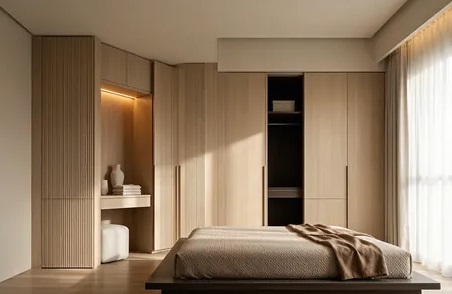
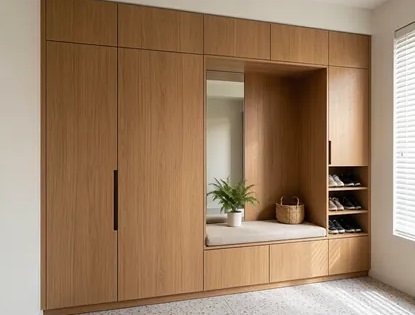
- Full-height wardrobes - floor-to-ceiling, no dust gap on top.
- Kitchen with soft-close - feels solid, hides cheap carcass.
- Study nook - work-from-home is now expected, not a bonus.
- Hidden bomber shelter fit-out - turns dead space into a pantry.
Notice none of that is about marble or gold handles. Buyers in 2025-2026 are cost-aware; they want function they don't have to build themselves.
Finish Choices That Don't Date
Trends move, and a loud colour you loved in 2024 can read as "must renovate" to a 2026 buyer. Neutral laminates - warm white, light oak, soft grey - hold value because they slot into any future decor.
Safe, resale-friendly picks:
- Matte laminate over gloss, which shows every fingerprint.
- Handle-less push-to-open for a clean, current look.
- Matching tones across rooms so the home feels cohesive.
One bold accent wall of cabinetry is fine; a whole house of it narrows your buyer pool. Think "easy to live with," not "memorable."
Custom Furniture That Protects Your Investment
Custom furniture should be built so the next owner sees it as an asset, not a liability. That means solid construction and a finish that survives a few years of your own use before the sale.
Build for the long run:
- Plywood carcass - stays straight, so doors still align at sale time.
- Soft-close hardware - cheap hinges fail and squeak, killing first impressions.
- Scuff-proof kicks - the plinth takes the abuse, not the door.
- Neutral, sealed edges - no peeling banding in the photos.
Keep your renovation records. A buyer's agent will ask about the HDB 1-year defect liability period and whether permits were filed. Having the paperwork ready signals the work was done properly, not patched.
Spaces That Pay Back Most
Not every room returns the same. Spend where buyers look hardest and keep the rest simple.
Priority order we suggest:
- Kitchen - the top deciding room; good cabinets justify the price.
- Master wardrobe - seen in every viewing, judged every time.
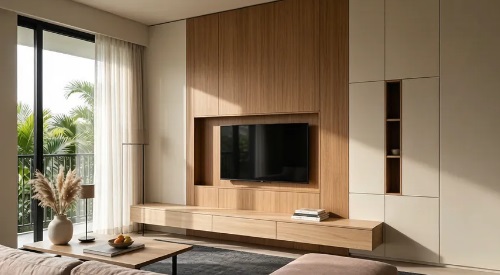
- Living storage - a tidy TV feature wall hides the mess.
- Balcony - a clean, weather-proof setup beats an empty slab.
For a condo, MCST-compliant built-ins that don't breach by-laws matter doubly - a future buyer's lawyer will flag unauthorised works, and that can stall a sale. Build inside the rules and you remove a whole category of risk.
What to Skip If You Might Sell
Some custom pieces are pure personal luxury with weak resale. Know them so you don't sink money you won't recover.
Lower-return choices:
- Themed rooms - a neon game den few others want.
- Over-tall displays - niches sized to your collectibles only.
- Ultra-dark tones - make a 90 sqm flat feel smaller in photos.
Whole-house customization, done with a future sale in mind, is less about impressing and more about removing friction. Give the next owner storage they'd have paid to build, keep the finishes calm, and the flat sells itself when the time comes.