Custom Furniture of apartment: A Puzzle Drawer Deep
A deep puzzle drawer is the smartest custom furniture move for a small Singapore apartment. It turns awkward, hard-to-reach cabinet depths into pull-out trays you can actually use, so the stuff at the back stops vanishing for good.
Why a deep drawer beats a deep cabinet
Most apartment kitchens and wardrobes waste the last 30 centimetres of depth. You shove things in, they slide to the back, and you forget they exist. A puzzle drawer fixes that by splitting one deep cavity into stacked, sliding trays.
Here is what you get in practice:
Full access – every tray pulls out on soft-close runners, so you see everything at once.
Less bending – the lower tray lifts to a comfortable height instead of you crouching on the floor.
Hidden divisions – a "puzzle" layout means each item has a shaped slot, from spice jars to cable boxes.
Cheaper than more cabinets – you use the space you already paid for instead of building outward.
Materials that hold up in a humid flat
Singapore's year-round humidity is the real test. Pick the wrong board and those trays start to stick within a year.
Plywood holds its shape well and resists warping, which makes it a solid pick for drawer bases. It costs more than MDF but lasts longer.
MDF with laminate is the budget-friendly option. It stays flat and looks clean, though it swells if water sits on it, so keep it away from the sink line.
Solid wood looks lovely but moves with the weather and needs oiling. For a hidden drawer you never see, it is money spent on something nobody notices.
For most apartments, plywood bases with laminate faces give the best mix of price and durability.
How Custom Furniture fits an apartment
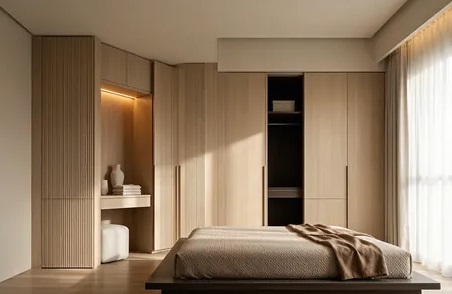
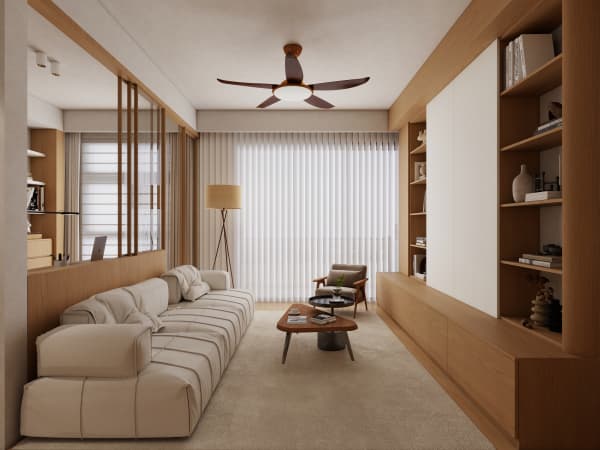
Custom furniture works best when the piece follows the room instead of fighting it. In a 4-room HDB flat of roughly 90sqm, that usually means building into the existing carcass rather than adding bulky new units.
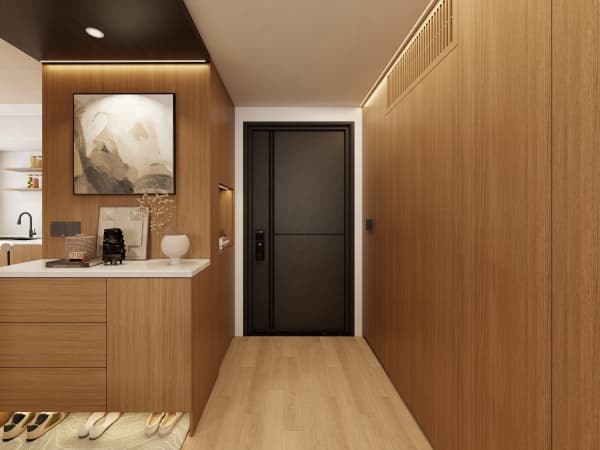
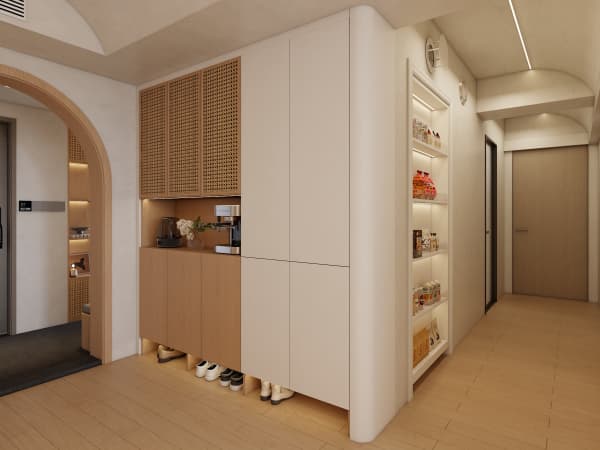
The 2025-2026 direction in Singapore homes is toward hidden, handle-less storage that keeps clutter out of sight, and a deep pull-out drawer fits that shift without changing the room's look.
A deep puzzle drawer slots into a kitchen base, a wardrobe plinth, or the dead space under a window. Because it is made to measure, you lose almost no floor area, which matters when your living room already doubles as a dining and study space.
Condos add one more rule. Many MCST by-laws limit hacking and fixed fittings, so check your strata rules before bolting anything to a shared wall. A free-standing drawer unit avoids the paperwork.
Timeline and what it costs
From measuring to installation, a custom drawer project runs about 6 to 10 weeks. That covers the site visit, drawings, workshop build, and fitting.
Costs vary, but a single deep puzzle drawer unit runs roughly S$400 to S$900 depending on size and runners. A full bank of them across a kitchen can land closer to S$2,000. Set against a total reno budget of S$30k to S$70k, it is a small slice that earns its keep daily.
Ask for the 1-year defect liability period in writing. If a runner sags or a face peels inside that window, a proper maker comes back and fixes it.
Keeping it working
These drawers are low fuss if you treat them right. Wipe the tracks with a dry cloth every couple of months, and don't overload a tray past what the runner rating allows.
If a slide starts to grumble, a dab of silicone spray on the track beats oil, which just collects dust. Most soft-close hardware is rated for years of use, so a little care keeps it quiet.
When you eventually sell, buyers notice storage that actually works. A tidy bank of deep drawers reads as "this flat is well thought out," and that quiet impression helps more than a flashy feature ever will.
We have fitted deep puzzle drawers into shoebox condos and roomy 5-room flats near 110sqm, and the reaction is always the same: people wonder why they lived without them. If your cabinets have a dead back, that is the space worth reclaiming first.