HDB Renovation Guide Singapore: Toilet and Waterproofing
If there is one place in your flat you should not cut corners, it is the toilet. This HDB Renovation Guide Singapore walks you through what happens behind the tiles and how to keep water from leaking into your neighbour's ceiling below. In 2025/2026, HDB rules on toilet works are strict for good reason, and the right sequence of wet works saves you from a very expensive mess.
Toilet and waterproofing. Membrane, screed, the wet works
A toilet is a small room with a lot going on underneath. Beneath the finished tiles sits a layer of screed, and beneath that a waterproof membrane. Get any of this wrong and water seeps through to the unit below.
In my experience, most toilet disputes between neighbours start with a failed waterproof layer, not a cracked tile. The tile is just the symptom.
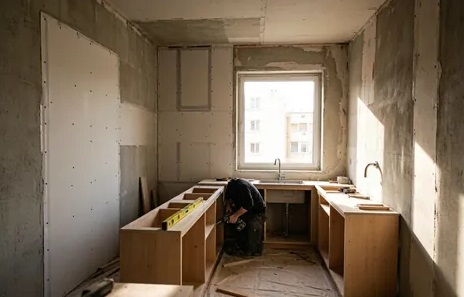
Here is the basic stack from bottom to top:
- Structural slab (you cannot touch this)
- Waterproof membrane applied over the slab and up the walls
- Screed layer that sets the slope toward the floor trap
- Cement and tile on top
The slope matters. Water must run to the floor trap, not pool in a corner where it will find a weak spot in the membrane.
Waterproofing process. Membrane application, ponding test, why it matters
The membrane is painted or rolled on in at least two coats, with extra attention around the floor trap, pipe entries, and the curb. Corners and joints are where leaks start, so that is where the contractor spends real time.
After the membrane cures, a proper job includes a ponding test. The contractor blocks the floor trap and floods the toilet with water, then leaves it for 24 to 48 hours. They check the unit below for damp patches before laying any screed.
Why bother? Because a leak to the neighbour below is not just awkward. HDB treats it seriously, and reinstating a failed toilet can mean hacking everything back to slab. That is weeks of work and a few thousand dollars you did not need to spend.
If you ever see bubbling paint or a damp ring on your own ceiling, it likely comes from the unit above. Ask them to check their membrane early, before the damage spreads.
The 3-year BTO hack restriction and HDB toilet tile rules; PUB plumber for sanitary works
New BTO owners, listen up. HDB does not allow you to hack and replace the toilet floor and wall tiles within the first 3 years of the flat. The original tiling and waterproofing are under HDB's defect liability period, so leave them alone.
You can still do a vinyl overlay on the floor without hacking, and you can swap fittings like the shower set. But if you want new tiles, you wait out the 3 years.
Resale flats have no such wait, so you can hack and retile from day one. That is part of why resale renovations run 20 to 40% more than BTO ones, since more wet works are involved.
Any sanitary and plumbing work needs a PUB-licensed plumber. Moving the toilet bowl, rerouting pipes, or changing the floor trap are not DIY jobs. The plumber logs the work properly so future buyers and HDB have a clean record.
Remember the working hours too. Noisy wet works like hacking are only allowed 9am to 5pm on weekdays. No renovation on Sundays or public holidays. I've seen neighbours report offenders, and the fines are real.
Plan the toilet early in your timeline. BTO renovations take about 8 to 12 weeks, and resale about 12 to 16 weeks when more hacking and repairs are needed. The wet works go in near the start, so delays here push everything back.
Do the waterproofing properly the first time. A good membrane and a proper ponding test cost a little more up front, but they keep your toilet dry and your neighbour happy for years.