HDB Renovation: how to read a quotation properly
HDB Renovation quotes in Singapore come in all shapes, and the cheapest number on the page is often the one that hides the most. Learning to read a quotation line by line is the skill that keeps your budget honest. Here is how to work through any quote so you compare like for like and spot the gaps before they cost you.
1. Start with the scope, not the total
The grand total at the bottom tells you almost nothing on its own. What matters is whether the scope matches what you actually want done.
- Read the description of works for each room and check it against your own wish list.
- Look for vague lines like "miscellaneous works" or "others" and ask for them to be spelled out.
- Make sure the same brands and grades appear across quotes if you are comparing several firms.
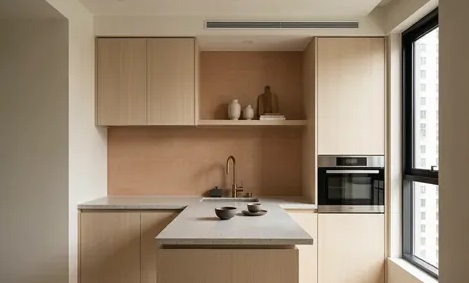
A quote that lists "kitchen cabinets" without dimensions, material, or count is not a quote you can trust yet.
2. Check the quantities and measurements
Most reno pricing is based on measured areas and item counts, so the numbers behind the line items matter as much as the price.
- Confirm carpentry is priced by running foot or by piece, and that the length matches your wall.
- Check tiling and flooring areas against your floor plan so nothing is quietly rounded up or down.
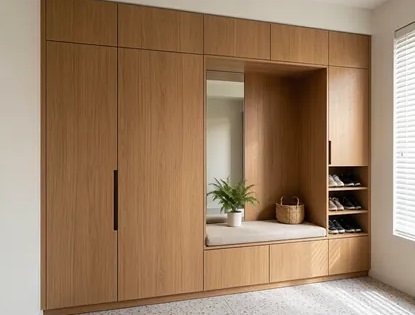
- For wardrobes and cabinets, look at the number of shelves, drawers, and doors included.
If two quotes differ by a few thousand dollars, the reason is usually a different quantity or a missing item, not a better deal.
3. Look hard at the exclusions
What is left out of a quote is where budgets blow up. The exclusions section is the part most owners skip, and it is the part that bites.
- Is hacking and debris removal included, or charged separately?
- Are plumbing and electrical points included, or just a fixed allowance with top-ups later?
- Do you pay extra for appliances, lights, aircon, and the final cleaning?
- Are permit fees and the HDB renovation deposit handled, or is that on you?
From 1 Oct 2024 the CaseTrust Renovation Framework (RFPS) applies to contracts of S$5,000 and above and pushes for "Open Book" itemised pricing, so a proper quote should show you the material costs rather than bury them in a lump sum.
4. Understand the materials and grades listed
Same word, different quality. "Laminate" can mean a thin film or a tough bonded surface, and the price gap is real.
- Ask for the specific board, laminate, or veneer grade next to each carpentry item.
- Note the edge profile and hardware, since cheap hinges and runners fail fast in our humidity.
- Check flooring wear layer if vinyl is quoted, because our weather is unkind to weak products.
When a quote is vague on materials, assume the lowest grade. Make them name it.
5. Read the payment terms and deposit line
How and when you pay is part of the real cost, because it sets your leverage.
- Look for stage payments tied to completed work, not a big upfront sum.
- Note the renovation deposit: HDB holds S$500 for flats up to 3 rooms and S$1,000 for 4 rooms and larger, refunded after a compliant end inspection.
- Check the clause on variation orders, so you know how changes are priced mid-job.
A clean quote shows the payment schedule plainly. One that dodges it is a red flag.
6. Compare quotes the smart way
You cannot compare two quotes that were briefed differently. Give every firm the same drawings, the same wish list, and the same material expectations, then read each against the others.
- Put the line items side by side and flag anything missing from the cheaper quote.
- Ask each firm to explain a gap rather than guessing why it is cheaper.
- Keep a site diary and photos once work starts, so the delivered items match what was quoted.
Reading a quotation properly turns a confusing pile of numbers into a clear plan. And if you are after whole-house customization, from the living room console to the kitchen and bedroom carpentry, asking one supplier to itemise everything in one Open Book quote makes the comparison far simpler and the result far more consistent.