HDB Renovation: a contingency that saves the day
HDB Renovation almost never ends at exactly the quoted figure, and a 10 to 15 percent contingency is the buffer that keeps a small surprise from turning into a crisis. Set that money aside before you sign anything, and you will sleep better when the inevitable hiccup shows up. Most owners who skip this step end up borrowing or trimming finishes they actually wanted, which is a shame after waiting so long for the keys.
Why a buffer is not optional
Renovation is full of things you cannot see until walls come down. Once a contractor starts hacking, old wiring, cracked screed, or a level difference between rooms can appear without warning. None of these are anyone's fault, but they all cost money to fix properly. A contingency is simply honest planning for the parts of the job you could not price on day one.
Think of it this way. Your quoted sum covers the work everyone can see. The buffer covers the work nobody knew about yet. Skipping it is like driving without insurance and hoping nothing goes wrong.
How big should the buffer be
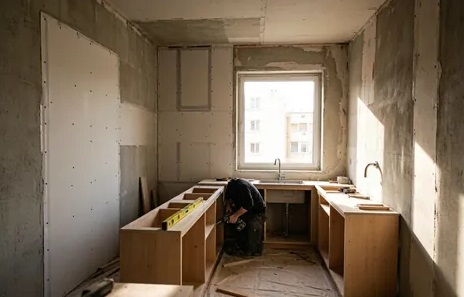
For most HDB flats, a 10 to 15 percent buffer on top of the agreed quote is the sweet spot. The exact number depends on the condition of the flat:
- Brand new BTO with few hidden issues: 10 percent is usually enough, because the base is fresh and the structure is sound.
- Resale flats more than 15 years old: lean closer to 15 percent, since rewiring, waterproofing, and tile removal carry more unknowns.
- Flats with layout changes: add a little more if you are hacking non-structural walls, because disposal and making-good costs climb quickly.
Based on recent market observations, a 4-room BTO reno typically ranges from S$30k to S$50k, so a 10 to 15 percent buffer there means setting aside roughly S$3k to S$7.5k. For a resale 4-room that typically ranges from S$50k to S$80k+, the buffer lands closer to S$5k to S$12k.
Where the money should sit
Keep the contingency in a separate pot, not mixed into your daily spending. A few practical habits help:
- Park it in a dedicated savings account so it is not quietly spent on furniture before the reno even starts.
- Tell your contractor upfront that you have a buffer, but only release it for genuine, documented extras.
- Track every cent drawn from it, the same way you would track the main payments.
If you never touch it, great. That money becomes your move-in furniture fund, and you come out ahead.
When to actually use it
A buffer is for surprises, not for upgrades you talked yourself into. Use it for things like discovered water damage, extra electrical points the plan missed, or a floor that needs levelling. Do not use it to swap a laminate to full veneer halfway through because you saw a nice showroom piece. That is scope creep dressed up as an emergency.
Before releasing buffer funds, ask for a short written note on what went wrong and why it was not in the original quote. Honest contractors will do this without fuss.
Building the habit early
The easiest time to create the buffer is the budgeting stage, long before keys are collected. When you compare quotes, add your 10 to 15 percent on paper first, then decide if the total still fits your finances. If it does not, trim the visible scope instead of dropping the safety net.
A reno done without a contingency feels cheap until the first surprise lands. One done with a proper buffer feels calm, because you planned for real life instead of a perfect world. If you are mapping out storage and carpentry for the whole flat, build that buffer in first, then design around what remains.