HDB Renovation Loan: Funding Your Reno Without the Stress
An HDB renovation loan is one of the most practical ways Singapore homeowners pay for their works, and from 1 Oct 2024 the rules shifted in your favour. HDB's Renovation Transparency Framework now requires contractors handling jobs of S$5,000 and above to be CaseTrust Renovation Fee Protection Scheme (RFPS) registered, and to show itemised "Open Book" pricing instead of vague lump sums. That means the money you borrow or set aside is better protected than it was a couple of years ago. We've walked plenty of families through the funding maze, and the good news is you've got more than one tap to turn on — bank loans, your CPF Ordinary Account, and a bit of planning up front so the cash doesn't run out halfway.
What an HDB Renovation Loan Actually Covers
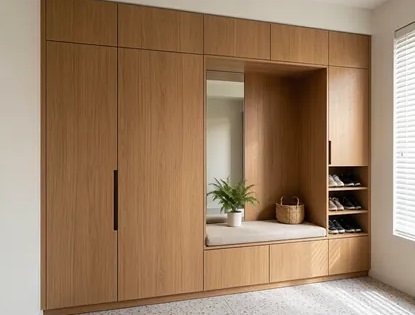
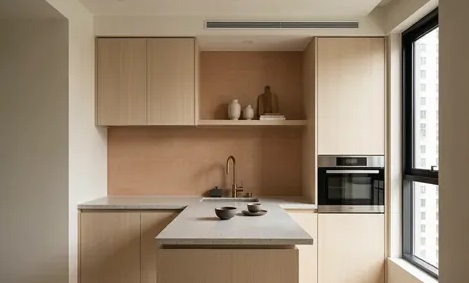
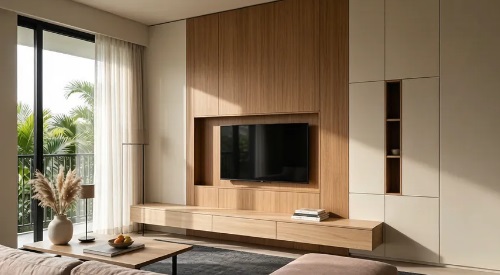
A renovation loan from a bank is a personal instalment loan meant for home works. It's separate from your housing loan, and you repay it in fixed monthly amounts over a set tenure, usually up to five years. Most banks cap the amount at around six times your monthly income, with a common ceiling near S$30,000. It won't cover furniture you can move around, but it will cover the built-in stuff — kitchen cabinets, wardrobes, tiling, hacking, plumbing and the carpentry that makes a flat feel finished.
Interest rates are typically higher than a housing loan but lower than a credit card, and many banks run promos with waiver of processing fees. Read the fine print on early redemption charges before you sign, because some homeowners settle the loan early once their CPF funds free up or a bonus lands.
Tapping Your CPF Ordinary Account the Right Way
If you're using CPF OA to pay for renovation, it can only go toward approved, fixed works — things permanently attached to the flat. You can't use it for loose furniture or décor. The contractor must be on HDB's Directory of Renovation Contractors (DRC), and the works must be permitted under HDB rules. We've seen owners caught out when they assumed CPF would cover a full furnishing package; it won't, so budget the movable items from cash or a separate bank loan.
A handy approach is to split the bill: CPF for the structural and fixed carpentry, bank loan or savings for the rest. That keeps your monthly commitments manageable and leaves OA funds for bigger life goals later, like the next property or your children's education.
Why the $5k CaseTrust RFPS Rule Matters for Your Deposit
Before October 2024, a homeowner who paid a deposit to a contractor that went under had little recourse. Now, any HDB renovation contract worth S$5,000 or more must be with a CaseTrust RFPS-registered contractor. Your deposit is placed in a protected scheme, so if the firm folds mid-job, you're not left counting the loss. Pair that with the "Open Book" requirement and you get itemised pricing you can actually check line by line, instead of trusting a single round number.
It's worth asking your contractor for their registration status up front. A serious firm will show it without hesitation, and it gives you peace of mind that the loan or CPF money you've committed is sitting behind proper protection rather than in a company's operating account.
The HDB Renovation Deposit and Permit Timing
Beyond your own funding, HDB asks for a renovation deposit — S$500 for up to 3-room flats and S$1,000 for 4-room and larger. It's refunded after HDB's post-reno inspection confirms there were no illegal works. Time your cash flow around the permit too: new flat owners apply within three months of key collection, resale buyers within three months after completion, and the permit is valid three months from approval with all works and inspection done inside that window.
We always tell clients to line up financing before the permit stage, not after. Banks can take a week or two to approve, and you don't want the clock ticking on a permit while you wait for funds to clear and the contractor can't start.
Building a Budget That Doesn't Blow Up
Typical market budgets run roughly S$30k–S$50k for a 4-room BTO and S$40k–S$60k for a 5-room BTO, while resale 4-room jobs often land S$50k–S$80k and up because of hacking, rewiring and waterproofing. Set aside a 10–15% buffer for the surprises every older flat hides behind its walls. List your must-haves — usually the kitchen and one good wardrobe — and treat the rest as flexible so the loan amount stays realistic.
When you keep the loan amount, CPF drawdown and deposit in one simple sheet, the whole project feels less like a gamble. A clear budget is what turns an overwhelming reno into a calm, staged plan you can actually enjoy watching come together, month by month.
Once the numbers make sense, the fun part begins — turning that budget into rooms that fit your life. If you're mapping out built-in carpentry, kitchen cabinetry or a full-home layout, it's worth sitting down with people who do whole-home customization day in and day out, so every dollar you've funded ends up in a space you'll love living in rather than one that just looks busy.