HDB Wardrobe Tips: lighting inside the wardrobe
When you plan an HDB Wardrobe, the shell of the flat sets the rules. Work around windows and the bomb shelter door so nothing blocks airflow or access.
Sliding Versus Hinged Doors
Sliding doors need less clearance but more depth; hinged doors seal better and cost less. Pick by the room, not the trend.
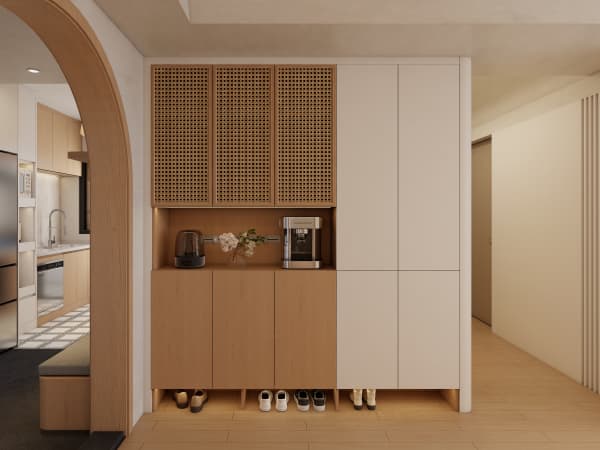
In tight bedrooms, sliding often wins on space, because a hinged door that swings into the bed is a daily nuisance.
If you choose hinged, use soft-close hinges so the door does not bang at midnight when someone grabs work clothes.
Use ventilated fronts for shoes; sealed-in footwear is the fastest route to a bedroom that reeks.
When to Measure and Order Your HDB Wardrobe
Measure after flooring and painting so the base is final. Custom wardrobes often take three to six weeks from drawing to delivery.
Order early so installation lines up with the rest of the bedroom works instead of holding up the whole room.
Confirm the internal layout on paper before production, because changing drawer counts after cutting is rarely free.
Toss a sachet of cedar or charcoal inside; it is cheap insurance against the smell that ruins good clothes.
A Finish That Resists Marks
Melamine and good laminate resist scuffs from hangers and bags. Matte hides fingerprints; gloss brightens a small room if used well.
Pick a finish you can clean without special products, because a high-maintenance door gets ignored and stays grubby.
Avoid pure white if the room gets morning sun, since a warm-toned off-white ages more gracefully than a stark white.
Toss a sachet of cedar or charcoal inside; it is cheap insurance against the smell that ruins good clothes.
Handles and Soft-Close Tips
Recessed handles keep the front clean and avoid snagging clothes. Soft-close on doors and drawers is worth the upgrade every time.
Quality runners stop drawers from jamming under load, which is the failure that makes a wardrobe feel cheap fast.
Match the handle finish to the bedroom door handle so the room reads as one designed space rather than mixed leftovers.
Rotate seasonal items twice a year so nothing hides at the back forgotten for three years.
A Layout That Fits Your Actual Clothes
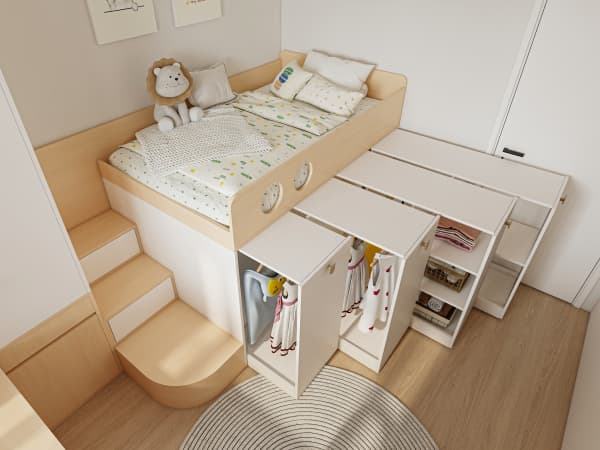
Split the interior by item type: long hang, short hang, shelves, drawers. Most wardrobes under-use folded storage and regret it.
Adjustable shelves let the layout shift as your wardrobe changes, so the cabinet grows with you instead of against you.
Give long dresses their own clear section up top, because cramming them into a short hang zone wrinkles them permanently.
Keep everyday shoes at the bottom and occasion pairs up high, so the morning rush is never a dig.
Budget Bands That Work
As a market observation, a built-in wardrobe for a typical bedroom often runs from the low thousands upward depending on size and materials.
Plywood and soft-close hardware lift the price but extend the life, so they are usually worth the upgrade over the cheapest build.
Spend the top of the budget on the carcass and the internal fittings, because those are what you touch and feel every day.
Use ventilated fronts for shoes; sealed-in footwear is the fastest route to a bedroom that reeks.
The best wardrobe is the one you forget about because it just works. Plan the interior by item type, and mornings get easier.