HDB Renovation: vinyl that beats the humidity
HDB Renovation in Singapore forces you to pick flooring that survives heat and humidity, and vinyl has become the go-to for many flats because it is forgiving and quiet underfoot. But not every vinyl is equal, and the wrong type will bubble, lift, or fade within a couple of years. This guide covers the vinyl types and wear layers that actually hold up in our climate.
Why vinyl suits HDB homes
Singapore's humidity sits around 80% for most of the year, and that is brutal on natural wood and even some laminates that swell at the joints. Vinyl is fundamentally plastic, so it shrugs off moisture that would wreck timber. It is also softer and warmer to walk on than tile, and it deadens sound between neighbours, a real plus in a stacked HDB block. For bedrooms and living areas it is a practical pick, though toilets and wet kitchen zones still want tile for proper waterproofing.
Know the two main vinyl types
When you shop, you will meet two families, and they behave differently:
- Glue-down vinyl sheets or tiles. Laid with adhesive across the whole floor, very stable, and almost no movement. Great where you want a seamless look and minimal height build-up.
- Click-lock luxury vinyl plank, often called LVP. Floats over the existing floor with a tongue-and-groove join. Faster to install and easy to replace a single plank, but it needs a flat subfloor or the joints telegraph through.
For most HDB Renovation projects the click-lock plank wins on speed and future repair, while glue-down suits tricky layouts and lower floor heights.
The wear layer is the real story
Vinyl is sold by its wear-layer thickness, measured in millimetres, and this is the part that takes the daily abuse. Do not judge a product by total thickness alone:
- 0.3mm wear layer. Fine for a bedroom with light foot traffic, but it scuffs in busy areas.
- 0.5mm wear layer. The sweet spot for most living rooms and a good all-rounder.
- 0.7mm and above. Best where kids, pets, or chairs on castors roll around, it simply lasts longer.
A thicker wear layer also resists the slight stickiness of our humid air better, because the surface stays intact instead of wearing through to the print below.
Installation details that stop failure
Even good vinyl fails with sloppy prep. Keep these in mind during your HDB Renovation:
- Level the subfloor first. Humps and dips show through click-lock within months.
- Leave the right expansion gap at the walls so heat does not buckle the floor.
- Acclimate the planks in the flat for a day or two before laying, so they settle to room conditions.
- Avoid laying vinyl over a damp screed. Test moisture first or you trap water underneath.
Because HDB toilets cannot be shifted and the floor trap stays put, keep vinyl out of wet areas and let the tile do its job there.
Pick vinyl that ages well
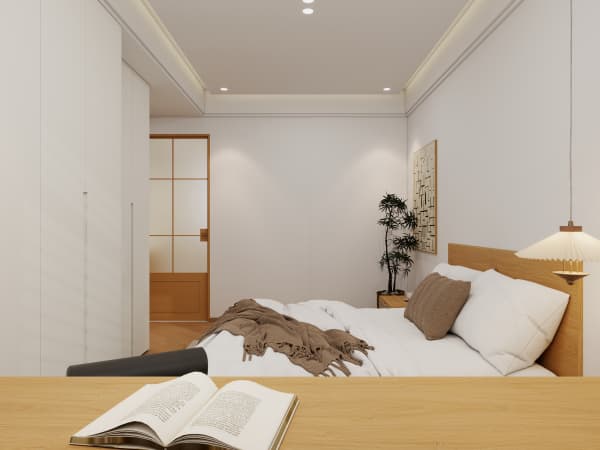
A smart HDB Renovation treats flooring as a long-term decision, not a quick finish. Choose a mid-tone wood-look plank with at least a 0.5mm wear layer, lay it on a properly prepped floor, and it will look good for many years despite the humidity. If you are doing whole-house customization, matching the vinyl across bedrooms and the lounge ties the home together and keeps the budget sensible. Get the type and wear layer right and you stop worrying about the floor entirely, which is exactly what a renovation should give you.