HDB Wardrobe Tips: ventilation to avoid musty smells
HDB Wardrobe carpentry is the biggest storage decision in a bedroom, and a poor layout nags you every single morning. Start by counting what you actually own.
Materials That Handle Humidity
Plywood carcasses resist moisture better than particle board in a humid bedroom. A laminate or veneer face wipes clean of marks.
Spend on the carcass because that is what warps first when the Singapore air does its worst through an open window.
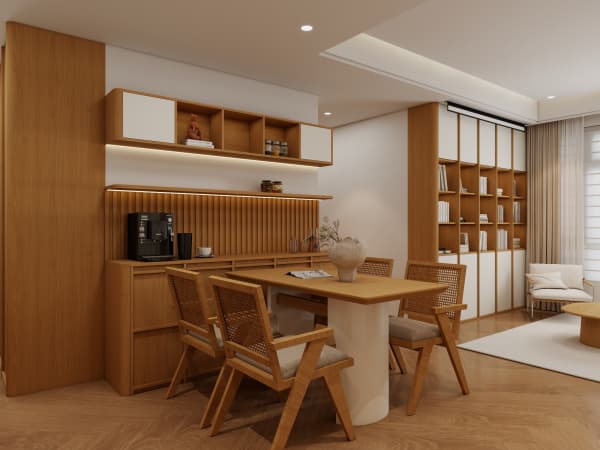
Ask what the box is made of before you compare prices, because two wardrobes at the same ticket can hide very different cores.
Rotate seasonal items twice a year so nothing hides at the back forgotten for three years.
A Wardrobe for a Growing Child
Lower hanging rods and adjustable shelves grow with the child. Soft-close drawers survive the rough handling that kids dish out.
Neutral finishes outlast cartoon themes they outgrow, so the wardrobe still works when the bedroom becomes a teenager's den.
Add a low open cubby they can reach alone, because independence in dressing starts with a shelf at their own height.
Keep everyday shoes at the bottom and occasion pairs up high, so the morning rush is never a dig.
When to Measure and Order Your HDB Wardrobe
Measure after flooring and painting so the base is final. Custom wardrobes often take three to six weeks from drawing to delivery.
Order early so installation lines up with the rest of the bedroom works instead of holding up the whole room.
Confirm the internal layout on paper before production, because changing drawer counts after cutting is rarely free.
Toss a sachet of cedar or charcoal inside; it is cheap insurance against the smell that ruins good clothes.
Lighting Inside the Wardrobe
A motion-sensor LED strip inside means no fumbling in the dark. Wire it during carpentry so nothing shows afterwards.
Warm light makes colours read truer than cool, so you do not leave home in a shirt that clashed under a blue bulb.
Put the sensor at the door edge so it switches on the moment you open, and off a minute after you close.
Keep everyday shoes at the bottom and occasion pairs up high, so the morning rush is never a dig.
Care That Keeps It New
Wipe marks promptly and keep the interior dry. Check hinges and runners yearly and tighten if needed before they work loose.
Small habits add years to the wardrobe, because neglect, not normal use, is what actually wears a fitted cabinet down.
Rotate seasonal items twice a year so nothing hides at the back untouched and forgotten for three years.
Use ventilated fronts for shoes; sealed-in footwear is the fastest route to a bedroom that reeks.
Custom Versus Ready-Made Revisited
If the wall is straight and standard, ready-made can work. If it is irregular, custom pays off in fit and in usable storage volume.
Compare the usable volume, not just the ticket price, because a cheaper unit with dead gaps may hold less than a fitted one.
For an awkward corner, custom is almost always the better maths once you count the space you actually gain.
Use ventilated fronts for shoes; sealed-in footwear is the fastest route to a bedroom that reeks.
Built-in wardrobes turn dead wall into calm storage. Keep the layout flexible, the finish neutral, and the bedroom stays restful.