Built-in Furniture Singapore: Planning in Tampines
A Built-in Furniture in Singapore starts long before the first board is cut. Most owners underestimate how much the existing layout decides what is possible, and the same oversight shows up again and again.
How maximising cabinet storage shape the final result
Storage fails not from lack of cabinets but from poor internals. Deep drawers beat deep shelves because you see everything without digging. In a Singapore kitchen where space is tight, a pull-out for the blender and a tray divider for the lids turn a cramped cabinet into a working one. Spend on the inside, not just the face.
How kitchen cabinet planning affect your schedule
Leave service gaps. The meter, the pipe and the trap need access, so plan a removable panel rather than a sealed box. Owners who seal everything save ten minutes now and lose a day later when the plumber cannot reach the valve. Mark these on the drawing and keep a copy.
Take a resale 5-room flat as a typical case: the owner had a home office nook to fit, and the carpenter planned the storage around the actual items rather than a standard grid, which removed the dead corners that plague smaller Singapore homes.
How joinery basics affect your schedule
Joinery is how boards meet, and the joint decides the life. A dowelled and glued corner outlasts a screw alone, and a proper scribe hides the gap at an uneven wall. Good joinery is invisible; you see it only when it fails. Ask the carpenter which joint they use for the carcass and the face frame.
How reading a quotation affect your schedule
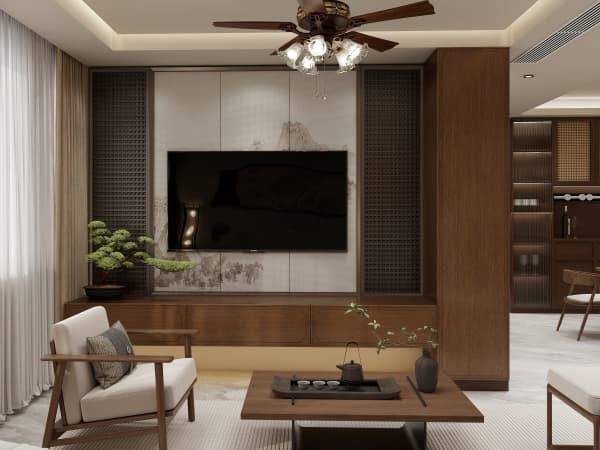
Compare quotes by line, not by total. One firm may price the carcass low and the drawers high, another the reverse. The honest way is to send the same spec to two or three and see where they differ. Wild gaps usually mean a different board or a missing step, not a better deal.
A practical view of fit-out practical tips
Fit-out success is mostly sequencing and communication. Agree the draw order with the carpenter, share the floor plan and the appliance list before measure, and hold a weekly check. Most fit-outs that go smooth are the ones where the owner and the builder talked every week, not just at sign and at handover.
How wardrobe internal layouts affect your schedule
Tie the wardrobe to the room's other storage. A shared bank that wraps the bed head and turns the corner into a study nook uses a dead wall better than a separate cabinet. Ask the carpenter to draw the full wall, not just the wardrobe, so the pieces meet without a gap you cannot fill.
Common questions about measuring for accuracy
Measure twice, cut once is not a joke in carpentry. A good carpenter measures the real wall at three heights because Singapore flats are not perfectly plumb, then builds to the worst case and scribes the filler. A cabinet that meets the ceiling with a 10 mm gap looks cheap; a scribed one looks built in.
Understanding carpentry warranties in Singapore
The warranty is only as good as the firm behind it. A sole proprietor who retires in two years leaves you with a paper guarantee. Prefer a registered company with a track record, and note the claim lead time. Some shops respond in days, others go quiet. A quick call to their office before you sign tells you which camp they are in.
In Woodlands, a a landed intermediate terrace often comes with an awkward service yard, and the build that works treats it as a second kitchen rather than a dump. A S$30,000 budget stretches further when the yard pulls its weight.
Common questions about custom versus ready furniture
Custom beats ready when the space is odd or the need is specific. A built-in that wraps a bay window or fills a 1.2 m alcove uses space a shop piece wastes. For standard items like a bed or a side table, a bought piece often costs less and ships faster. Match the method to the gap.
How MDF and laminate options affect your schedule
Medium-density fibreboard (MDF) takes a smooth laminate finish better than any other board, which is why it shows up in wardrobes and feature walls. It is stable and cheap to shape, but it drinks water, so it belongs in dry areas only. A plain laminate door on MDF costs less than a plywood equivalent and looks clean in a bedroom.
A Built-in Furniture in Singapore succeeds when the small calls are made well. The right board at the sink, the soft-close where you open daily, the layout that respects the work triangle, these are the marks of a build done right.
One more point worth a line: keep the contact of the person who owns your project in a single note, with the quote, the permit and the warranty. When something needs a fix in year two, that note is what turns a denied claim into a quick visit. The paper you file today is the service you get later.
A small habit that pays off is to photograph the finished work at handover, before the furniture goes in. The shots show the edges, the gaps and the mitres as they should be, and give you proof if a fault appears after. Five minutes with a phone beats a week of argument about what changed.
Think about the next owner too. A clean, compliant build with the paperwork in order sells faster and for more, because the buyer's lawyer has fewer questions. The work you do for yourself also works for the resale, so treat the records as part of the asset, not just the receipt.
Do not chase the lowest number at the cost of the details. A job that saves on the edge banding and the hinge shows it within a year, and the fix costs more than the saving. Spend on the parts you touch daily, and the home feels right long after the photos are taken.
Finally, give the build a week before you judge it. Wood settles, doors find their rest, and a small adjustment at the start of use prevents a bigger one later. A carpenter who returns for the punch-list is worth more than one who disappears the day the balance is paid.