Carpenter Near Me Singapore: Questions on Yew Tee
For a Carpenter Near Me in Singapore, the budget is only half the story. The other half is the permit, the timeline and the people you hire, and those three decide whether the home feels right a year on.
A practical view of payment milestone schedules
The deposit protects the workshop from a no-show, but anything above 50 percent before you see work is a risk. In Singapore, disputes over renovation deposits are common, so keep records of every transfer and the stage it covered. A written schedule with amounts removes the grey area.
How HDB renovation permits affect your schedule
In Singapore, HDB flats cannot be renovated on a whim. The registered owner appoints a licensed builder, who submits the works to HDB for a renovation permit. The permit covers hacking, wall tiling, rewiring and the carpentry scope. Most approvals clear within a week, but anything touching structure draws extra checks. The builder files the paperwork, yet the owner stays responsible for what goes into the flat.
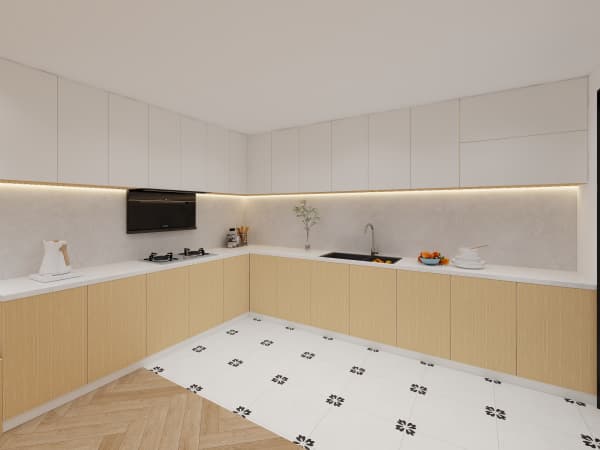
For a landed corner terrace in Marine Parade with a budget near S$50,000, the practical move is to fix the kitchen and the wardrobes first, because those are the spaces used every day, then phase the rest as the money allows.
How carpentry warranties affect your schedule

A carpentry warranty in Singapore typically runs one to five years, with the better shops giving three. Read what it covers: warping, delamination and faulty hinges are fair game, but water damage from a leaking pipe is usually on you. Get the coverage and the claim process in writing, because a verbal promise fades by the time something breaks.
How renovation stages in order affect your schedule
Hold a weekly site check at each handover. When the tiler leaves, walk the floor for hollow tiles. When the painter leaves, check the edges. Catching a fault before the next trade covers it saves a fight later. The stage checks are the cheapest insurance in the whole job.
Take an executive apartment as a typical case: the owner had a service yard to fit, and the carpenter planned the storage around the actual items rather than a standard grid, which removed the dead corners that plague smaller Singapore homes.
What checking for defects cost you in the end
The defect walk is where you earn your money back. Open every drawer, run every door, tap the worktop for hollow spots, and sight the edges for gaps. A 30-minute check at handover catches what a year of annoyance would. Bring a torch and a level, and write down what you find.
Getting the five-day neighbour notice sorted early
In HDB renovations, hacking triggers a five-day written notice to the households above and beside you. It is a courtesy and a rule: it lets neighbours protect their items from vibration and dust. The builder handles the notice, but the owner should confirm it went out before the breaker starts.
How choosing a contractor shape the final result
Pick a contractor on evidence, not a flyer. Ask for two recent jobs you can visit, check the warranty terms, and read the contract for the payment schedule. In Singapore, a registered firm with a showroom is easier to hold accountable than a one-man team you found on a messaging app.
Where using a contractor list usually go wrong
After you hire, keep the list entry for the record. Note the firm, the quote date and the scope, and file the contract. If a dispute arises, the paper trail from the first contact is what protects you. A list is only useful if you write down what you learned from it.
How reading a quotation shape the final result
Compare quotes by line, not by total. One firm may price the carcass low and the drawers high, another the reverse. The honest way is to send the same spec to two or three and see where they differ. Wild gaps usually mean a different board or a missing step, not a better deal.
Where common layout mistakes usually go wrong
Another is forgetting the worktop landing. A hob with no flat space beside it turns cooking into a juggle. Keep at least 400 mm of clear counter on each side of the cooktop and the sink. In a small Singapore kitchen this means choosing a smaller appliance, not a bigger cabinet.
Good carpentry for a Carpenter Near Me in Singapore is the kind you stop noticing because nothing goes wrong. Treat the build as a system rather than a set of cabinets, and the result earns its place in your home.
One more point worth a line: keep the contact of the person who owns your project in a single note, with the quote, the permit and the warranty. When something needs a fix in year two, that note is what turns a denied claim into a quick visit. The paper you file today is the service you get later.
A small habit that pays off is to photograph the finished work at handover, before the furniture goes in. The shots show the edges, the gaps and the mitres as they should be, and give you proof if a fault appears after. Five minutes with a phone beats a week of argument about what changed.
Think about the next owner too. A clean, compliant build with the paperwork in order sells faster and for more, because the buyer's lawyer has fewer questions. The work you do for yourself also works for the resale, so treat the records as part of the asset, not just the receipt.
Do not chase the lowest number at the cost of the details. A job that saves on the edge banding and the hinge shows it within a year, and the fix costs more than the saving. Spend on the parts you touch daily, and the home feels right long after the photos are taken.
Finally, give the build a week before you judge it. Wood settles, doors find their rest, and a small adjustment at the start of use prevents a bigger one later. A carpenter who returns for the punch-list is worth more than one who disappears the day the balance is paid.
Match the build to how you actually live, not to a showroom you visited once. The kitchen you cook in and the wardrobe you open daily should reflect your routine, because a home that fits your habits is the one you stop noticing, and that is the highest praise a renovation can earn.