Carpentry Price Singapore: Calm moves for tight spaces
The phrase Carpentry Price in Singapore covers more than cabinets. It means reading the flat, the rules and your own habits before a single measurement is taken, because the early choices decide the late regrets.
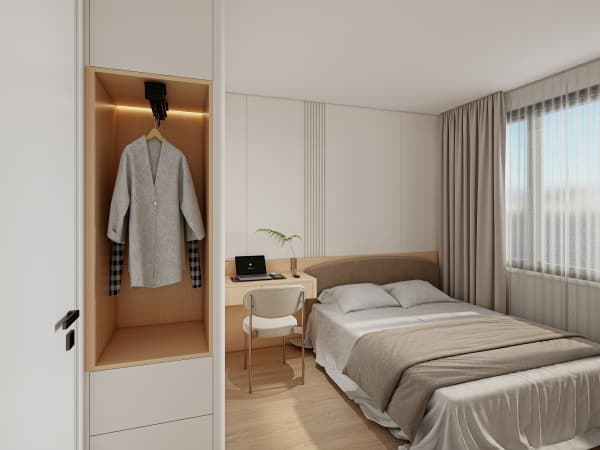
Understanding common layout mistakes in Singapore
The top mistake is building storage you will not use. Owners copy a showroom layout, then find the wine rack and the open shelf gather dust while the drawers overflow. Plan around your real habits, not a magazine. A short list of what you own beats a tall cabinet of intent.
Where reading a quotation usually go wrong
Watch the variation clauses. A quote at S$15,000 that becomes S$22,000 after 'unforeseen' items hurts more than a S$19,000 firm quote. Ask what triggers a variation and cap it in writing. Most reasonable carpenters will agree to a 10 percent ceiling if you ask before signing.
The numbers matter: a a landed intermediate terrace with an open living-dining area and a S$50,000 cap still gets a full plywood base and soft-close fittings if the owner cuts the face-grade and keeps the inside honest. The feel stays, the cost drops.
How payment milestone schedules shape the final result
The deposit protects the workshop from a no-show, but anything above 50 percent before you see work is a risk. In Singapore, disputes over renovation deposits are common, so keep records of every transfer and the stage it covered. A written schedule with amounts removes the grey area.
Getting particle board value sorted early
The trick with particle board is the hardware. Because the core is soft, hinges and hinges screws need the right fittings or the holes wallow out. Use screwed-in inserts rather than driving straight into the board, and the doors stay put. Most warranty claims on particle board come from bad fixing, not bad board.
How maximising cabinet storage affect your schedule
Think vertical. The dead space above the upper cabinets and the gap under the sink are free real estate. A slim trolley that slides into a 150 mm void beats a wide one you cannot open. Measure the awkward corners first; the right filler drawer uses a space a standard cabinet wastes.
How typical carpentry budgets affect your schedule
Carpentry in a Singapore home spans a wide range. A basic kitchen and a couple of wardrobes can land at S$8,000 to S$12,000, while a full-home build with plywood, soft-close hardware and a feature wall often reaches S$25,000 to S$40,000. The board grade and the amount of custom work move the number more than the room count.
A practical view of custom versus ready furniture
The win with custom is the fit and the finish. A wardrobe that meets the ceiling with no gap reads as part of the home, not a thing in it. The cost is lead time of two to three weeks and a measure you must get right. For a one-off awkward wall, custom is the only clean answer.
Understanding carpentry warranties in Singapore
The warranty is only as good as the firm behind it. A sole proprietor who retires in two years leaves you with a paper guarantee. Prefer a registered company with a track record, and note the claim lead time. Some shops respond in days, others go quiet. A quick call to their office before you sign tells you which camp they are in.
A practical view of estimating your budget
Start the budget from the rooms you use most. List the kitchen, the wardrobes and the study, with a board grade and a hardware class for each. A simple calculator that totals the runs by length and adds the fittings gives a working number before you meet the carpenter, so the quote has a check.
How renovation stages in order shape the final result
The carpenter sits late in the order for a reason. Building cabinets before the walls are true wastes the boards. Measure after tiling and painting, build in the workshop, install near the end. Owners who rush the carpenter in front of the painter pay for scratched faces and gaps at the skirting.
The numbers matter: a a resale 5-room flat with a service yard and a S$30,000 cap still gets a full plywood base and soft-close fittings if the owner cuts the face-grade and keeps the inside honest. The feel stays, the cost drops.
For anyone starting a Carpentry Price in Singapore, the lesson is simple: slow at the front, steady through the middle, careful at the end. The owners who follow that rhythm are the ones who never redo the job.
One more point worth a line: keep the contact of the person who owns your project in a single note, with the quote, the permit and the warranty. When something needs a fix in year two, that note is what turns a denied claim into a quick visit. The paper you file today is the service you get later.
A small habit that pays off is to photograph the finished work at handover, before the furniture goes in. The shots show the edges, the gaps and the mitres as they should be, and give you proof if a fault appears after. Five minutes with a phone beats a week of argument about what changed.
Think about the next owner too. A clean, compliant build with the paperwork in order sells faster and for more, because the buyer's lawyer has fewer questions. The work you do for yourself also works for the resale, so treat the records as part of the asset, not just the receipt.
Do not chase the lowest number at the cost of the details. A job that saves on the edge banding and the hinge shows it within a year, and the fix costs more than the saving. Spend on the parts you touch daily, and the home feels right long after the photos are taken.
Finally, give the build a week before you judge it. Wood settles, doors find their rest, and a small adjustment at the start of use prevents a bigger one later. A carpenter who returns for the punch-list is worth more than one who disappears the day the balance is paid.
Match the build to how you actually live, not to a showroom you visited once. The kitchen you cook in and the wardrobe you open daily should reflect your routine, because a home that fits your habits is the one you stop noticing, and that is the highest praise a renovation can earn.