Condo Fit-Out Singapore: Planning with fewer surprises
A Condo Fit-Out in Singapore starts long before the first board is cut. Most owners underestimate how much the existing layout decides what is possible, and the same oversight shows up again and again.
What open kitchens and town gas cost you in the end
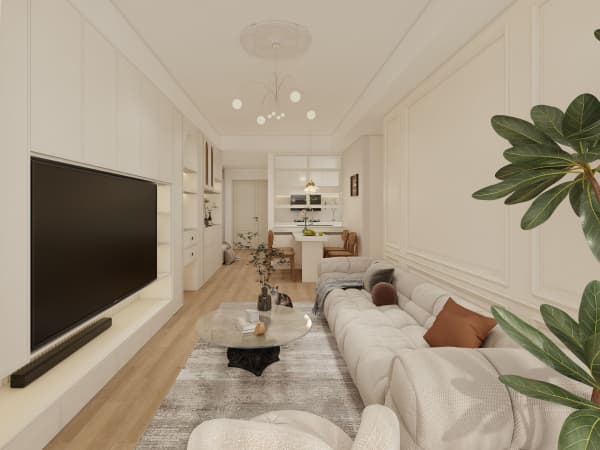
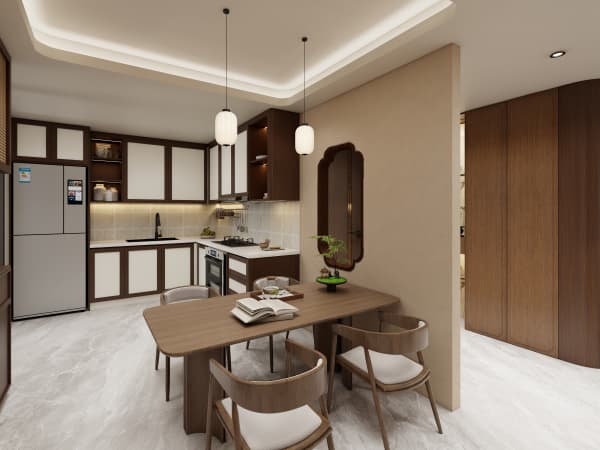
An open-concept kitchen looks great until you learn the rule. In Singapore, the town gas supply runs through a piped network, but if you remove the wall that encloses the kitchen, the gas supplier will terminate the piped supply. The fix is an induction hob, which needs no gas and suits the open layout without the cut-off.
How condo MCST renovation rules shape the final result
Condos in Singapore answer to the Management Corporation (MCST), and the MCST sets the rules. Expect a renovation deposit, a defined work window of roughly 09:00 to 18:00 on weekdays, and no noisy works on Sundays and public holidays. Some developments also restrict lifts and require protective hoarding in the lobby. Read the by-laws before you sign the carpenter, not after a stop-work order.
What plywood for wet areas cost you in the end
The weak point of any board is the edge. Even plywood swells if the laminate edge peels, so ask for PVC or ABS edge banding that is glued and not just stuck on. In a landing where the dishwasher leaks, sealed edges buy you years. Pair the board with a backsplash that goes at least 600 mm up the wall and the cabinet legs stay dry.
How HDB renovation timelines affect your schedule
Most homeowners underestimate the punch-list. Even a smooth job leaves a week for touch-ups: a misaligned door, a chipped edge, a drawer that sticks. Build that buffer into your move-in date. If you rent while renovating, align the lease end with the buffer, not the theoretical finish line, or you pay double for a place to stay.
The numbers matter: a a maisonette with a compact family room and a S$25,000 cap still gets a full plywood base and soft-close fittings if the owner cuts the face-grade and keeps the inside honest. The feel stays, the cost drops.
How typical carpentry budgets affect your schedule
If cash is tight, the renovation loan from HDB for flats can reach S$30,000 at about 5 percent, and banks offer similar amounts for private homes. Spread the big-ticket items, and keep a 10 percent buffer for the changes you will inevitably want once the walls come down. Few renovations end at the first quote.
How layered lighting plans affect your schedule
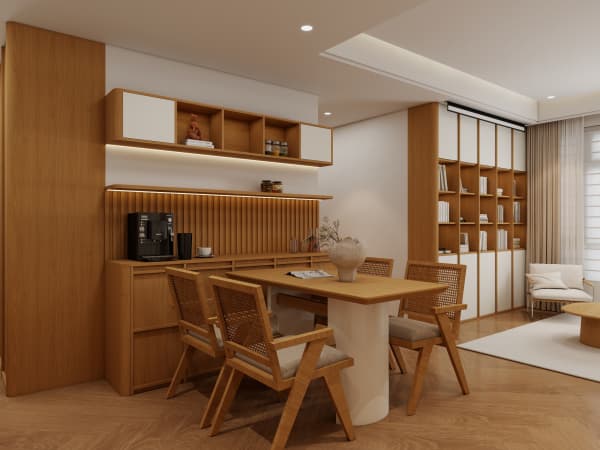
Plan the lighting before the carpenter measures, because the power points and the profiles must be built into the cabinet. Retrofitting a strip after the boards are up means visible wires or a rebuild. Tell the carpenter your light plan on day one, and ask where the driver hides so it stays serviceable.
Common questions about choosing a contractor
Chemistry counts because you will talk for weeks. A contractor who explains the trade-offs in plain words, who flags a problem before it costs you, is worth a small premium. The cheapest bid that goes quiet after deposit is the most expensive job you will ever run.
Understanding maximising cabinet storage in Singapore
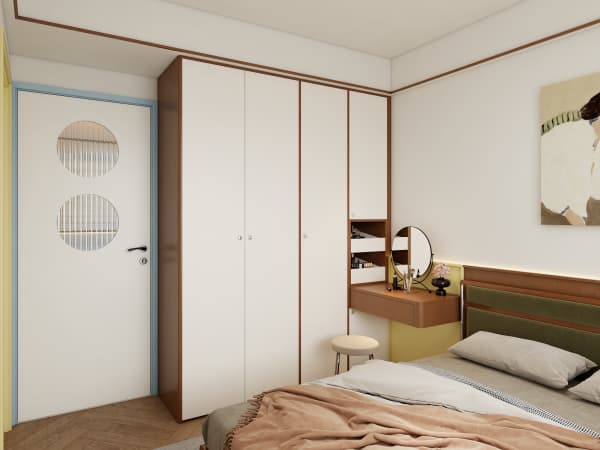
Edit before you build. Owners who plan storage around what they actually own end up with less but better. Count the pots, the food containers, the rice cooker. A carpenter can only optimise what you describe, so a short inventory session saves a cabinet you will never fill.
Getting reading a quotation sorted early
A quotation should read like a bill of materials, not a single sum. Look for the board grade per cabinet, the edge type, the hinge brand class, the number of drawers, and the lighting. If an item is missing, assume the cheapest version, then decide. A clear quote also lists what is not included, like plumbing or hacking.
How renovation stages in order affect your schedule
Renovation is a relay, not a race. Hack first, then the wet trades tile and screed, then electrical and plumbing first-fix, then paint, then the carpenter measures and builds, then the second fix and the clean. Each stage blocks the next, so a delay at the front echoes to the end. A clear schedule keeps the chain moving.
The numbers matter: a a landed corner terrace with a master bedroom suite and a S$25,000 cap still gets a full plywood base and soft-close fittings if the owner cuts the face-grade and keeps the inside honest. The feel stays, the cost drops.
The flats in Singapore are built to a standard, but the kitchens and wardrobes inside them are anything but. Keep these points in mind, ask the right questions before you sign, and your Condo Fit-Out will lead to a home that works.
One more point worth a line: keep the contact of the person who owns your project in a single note, with the quote, the permit and the warranty. When something needs a fix in year two, that note is what turns a denied claim into a quick visit. The paper you file today is the service you get later.
A small habit that pays off is to photograph the finished work at handover, before the furniture goes in. The shots show the edges, the gaps and the mitres as they should be, and give you proof if a fault appears after. Five minutes with a phone beats a week of argument about what changed.
Think about the next owner too. A clean, compliant build with the paperwork in order sells faster and for more, because the buyer's lawyer has fewer questions. The work you do for yourself also works for the resale, so treat the records as part of the asset, not just the receipt.
Do not chase the lowest number at the cost of the details. A job that saves on the edge banding and the hinge shows it within a year, and the fix costs more than the saving. Spend on the parts you touch daily, and the home feels right long after the photos are taken.
Finally, give the build a week before you judge it. Wood settles, doors find their rest, and a small adjustment at the start of use prevents a bigger one later. A carpenter who returns for the punch-list is worth more than one who disappears the day the balance is paid.