HDB Interior Design Singapore: Greener Material Choices
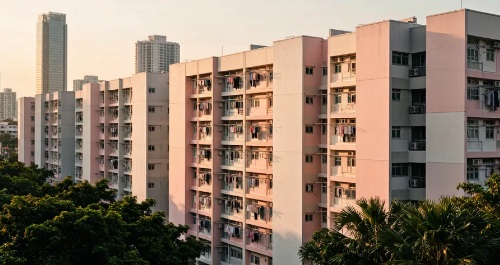
HDB interior design Singapore is moving toward lower-emission materials because HDB's Green Towns Programme and tighter indoor air expectations push owners to question what goes on their floors and walls. A typical 4-room BTO renovation uses litres of adhesive and board glue, so the material list decides the air your family breathes. This guide picks greener options that still pass HDB rules and fit a resale budget.
Greener HDB interior design starts with the labels
Singapore's weather is hot and humid, and cheap boards off-gas formaldehyde for months after installation. Look for boards certified to standards such as Singapore Green Label or CARB Phase 2 equivalent, which cap formaldehyde release. Ask your HDB Licensed Renovation Contractor to state the board grade on the quotation, not just the laminate colour.
These steps keep the air clean through handover:
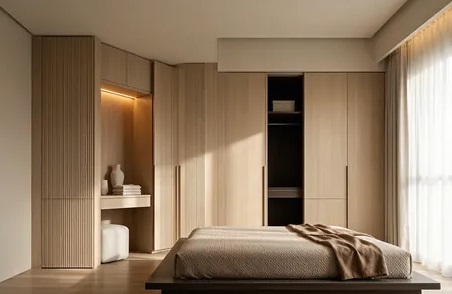
- Request E0 or E1 grade boards for all carpentry, wardrobes, and the platform bed.
- Ask for low-VOC adhesives for vinyl and laminate flooring instead of standard contact cement.
- Ventilate the flat with fans for at least two weeks before you move in, even if it smells fine.
- Keep the HDB-approved delivery window in mind; materials stored on the void deck need the permit displayed.
- Test the air with a home formaldehyde kit after fitting if anyone in the home has asthma.
A greener board costs about 10 to 15 percent more per sheet but removes the sharp smell that signals off-gassing.
HDB approved flooring with a lower footprint
HDB approved flooring for renovations includes vinyl, laminate, and certain tiles. Vinyl is the greener pick for most flats because it needs no cement screed and clicks over the existing floor, which means less demolition waste. Laminate uses a wood-fibre core and a printed surface, so choose brands with certified low-emission cores.
- Vinyl plank. Waterproof, quiet underfoot, and recyclable at some collection points. Good for kitchens and bedrooms.
- Laminate. Cheaper than vinyl but weaker near water. Keep it out of the bathroom and yard.
- Homogenous tile. Long lasting and cool underfoot, but laying it needs hacking and cement, which adds waste.
For a 4-room flat, vinyl across living, bedrooms, and kitchen runs about S$3,500 to S$6,000 in the market. Tiles can double that once hacking and screed are added. Vinyl also meets HDB rules for non-structural floors and will not breach the floor loading limit.
Carpentry and surfaces that last
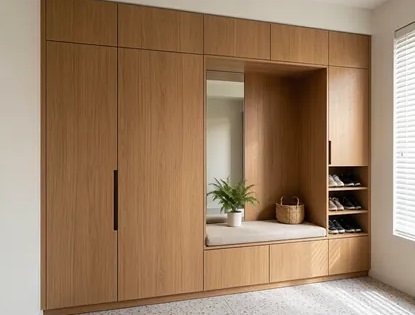
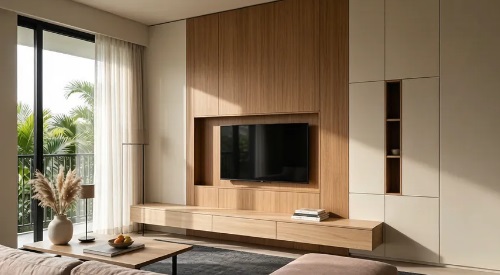
Longevity is the quiet form of green. A wardrobe that lasts 15 years beats a cheap one replaced at year 5. Use laminate carpentry with certified boards, and pick quartz or solid-surface countertops that need no resealing and resist stains without chemical polish.
Quartz is engineered from stone waste bound with resin, so it uses material that would otherwise be dumped. Solid surface can be repaired by sanding rather than replaced, which extends its life. Both qualify as HDB approved materials for kitchen and bathroom tops.
For partitions, choose lightweight non-ceramic panels for non-structural dividers. They weigh less than brick, cut the structural load, and are easier to remove cleanly if you sell. HDB forbids hacking structural walls, beams, columns, and slabs, so any divider must hang from or sit against non-structural surfaces only.
Paint, lighting, and the service yard
Use low-VOC paint for walls. Singapore brands carry Green Label versions that cut solvent smell within a day. Pair them with LED lighting, which draws a third of the power of fluorescent tubes and lasts years longer, so fewer fittings land in the bin.
The service yard is where green choices pay monthly. A heat-pump dryer or a retractable indoor rack cuts the energy of a vented dryer. Hang laundry on a ceiling rack in the yard and let the breeze do the work, the classic HDB method that still beats a machine for bedsheets.
What to skip for a healthier flat
Some popular items cost the air quality more than they return. Avoid solid timber that needs constant varnish, heavy ceramic feature walls that require cement and hacking, and open shelving that collects dust you later clean with chemical sprays. Keep the bomb shelter simple: HDB allows only light fittings and laminated flooring inside, and the door must stay, so do not overthink that room.
Greener material choices pay back through cleaner air and a lower replacement cycle, and a whole-house customization plan is the best way to lock them in. When one team selects the boards, flooring, and paint together, you avoid clashing adhesives and get a single low-VOC specification across the flat. Ask your HDB Licensed Renovation Contractor for an itemised green list with board grades and paint standards before signing, and keep the permit timeline in view so the healthier home is ready by key collection.