HDB Interior Design Singapore: Hidden Reno Fees to Know
HDB interior design Singapore became more predictable after HDB required renovation permits to be filed by Licensed Renovation Contractors listed in the Directory of Renovation Contractors. Many homeowners still meet costs that never appeared on the first quote they received.
Permit and submission fees you should expect
Every renovation that touches regulated elements needs an HDB renovation permit. Your contractor submits it through the DRC system, and HDB takes about 2 weeks to process the application. The permit carries a fee that some firms absorb inside their package and others list as a separate line. Ask which treatment your quote uses before you commit any money.
HDB may also ask for a deposit when works affect common areas or the building facade. This amount is refundable after the post-renovation inspection clears, but the cash has to leave your bank account first. Set it aside early so it does not derail your cash flow in the middle of the project.
Do not forget the cost of replacing window grilles if your unit is on an upper floor. HDB requires grilles on upper-floor windows for child safety, and removal is regulated. If your reno plan assumes open windows for a cleaner look, budget for compliant grilles rather than assuming they can come off.
Hacking and debris removal charges
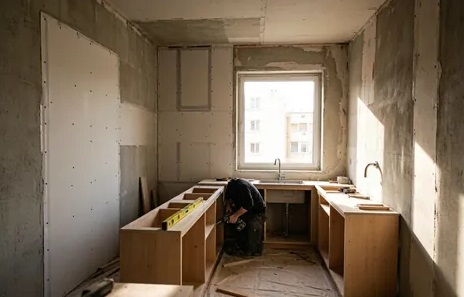
Resale flats usually need more hacking than BTO units. Old tiles, dated partitions, and worn flooring come out before new materials go in. Debris removal is charged by load, and a 4-room resale can produce several trips of rubble. That expense sits outside most decorative line items.
Keep the noise rules in mind while hacking runs. HDB permits noisy works like drilling and hacking on weekdays from 9am to 6pm. No such works happen on Sundays or public holidays. Your contractor plans around this calendar, and a long weekend can push your completion date by a few extra days.
- Old tile removal from two bathrooms and the kitchen wet areas.
- Partition demolition to create an open-concept kitchen.
- Debris loading and disposal at the approved facility.
- Protection of the corridor and neighbouring units during works.
Rewiring and plumbing add-ons
Resale renovations often include rewiring because older flats were not built for today's appliance and device load. Extra power points, a refreshed distribution board, and data cabling for a home office add to the bill. Plumbing shifts for a relocated washer or a moved basin are charged on top of that.
BTO flats are handed over with basic provisions. You receive wet-area tiles, doors, and some kitchen and bath fittings. Many owners still choose a full reno after key collection to match their lifestyle. That spend is a preference, not a requirement, but it belongs on the quote in plain sight.
Newer BTO flats from around 2019 onward arrive with balconies that HDB does not allow you to enclose. If your design assumed a glass box on the balcony, drop that idea now and redirect the budget to indoor space-saving carpentry instead.
How to read your quote line by line
A quote is only as good as the detail behind it. Use this routine before you sign so the number on paper matches the work on site.
- List every room and write the works proposed for each one.
- Mark which items include materials and which are labour only.
- Confirm the HDB permit fee and the deposit are shown or noted as absorbed.
- Check that debris removal and protection works appear as lines.
- Ask for the rewiring and plumbing scope in point form, not a single sum.
- Get a written note on what happens if hidden defects appear after walls open.
When a contractor answers these points with a clear breakdown, you lower the odds of a surprise invoice. When they wave the questions away, treat that as a signal.
Where HDB interior design meets real budgets
The term HDB interior design covers more than mood boards and colour chips. It is the total of permits, labour, materials, and the small adjustments that surface once the walls are open. Market rates give a working frame. A 4-room BTO reno runs about S$30,000 to S$45,000, while a 4-room resale sits around S$50,000 to S$70,000 because of added hacking and rewiring.
I have watched quotes grow between the showroom meeting and the first week on site. The gap is rarely bad intent. It is scope that was never pinned down. A written room-by-room list keeps both sides honest and keeps your budget intact.
Whole-house customization solves this by giving you one accountable party for the full scope. A single plan bundles the permit, carpentry, flooring, and finishes so the items above never hide between two vendors. That structure is the steadiest way to keep hidden fees from showing up after your deposit is paid.