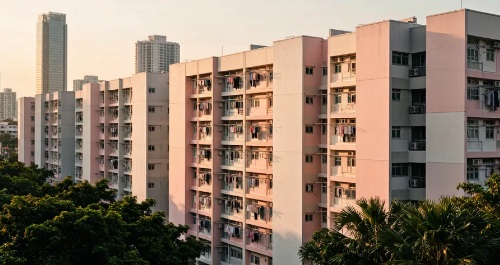
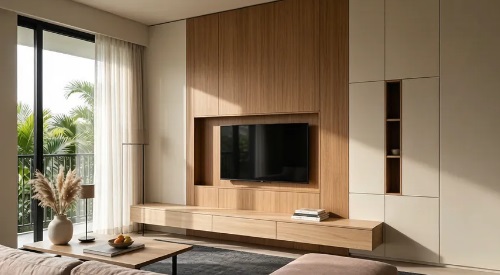
HDB Interior Design Singapore: Reno Permit Pitfalls
HDB interior design Singapore stalls for many owners at the permit stage because HDB requires a renovation permit filed by an HDB Licensed Renovation Contractor before any works begin, and processing takes about 2 weeks. Miss a rule and you face a stop-work order that pushes your moving date by a month. This article lists the pitfalls that trap first-time renovators and how to avoid each one.
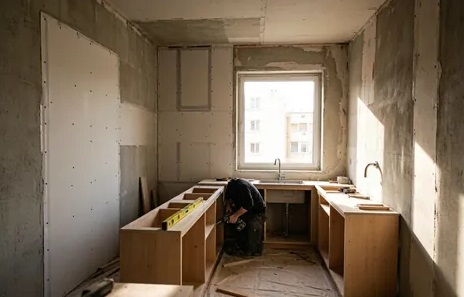
HDB interior design permit pitfall one: unlicensed contractors
Only contractors listed in HDB's Directory of Renovation Contractors may file your permit. A friend's friend or a cheap outfit without the licence cannot submit the forms, and HDB will reject the application. Check the licence on HDB's website before you pay a deposit.
Protect yourself with these steps:
- Ask for the contractor's DRC registration number and verify it on HDB's directory.
- Confirm the licence covers renovation, not just general building work.
- Sign a contract that names the permit responsibility clearly on the contractor.
- Keep a copy of the filed application with the reference number.
- Wait for the approval letter before booking the material delivery.
If the contractor is not licensed, walk away. No discount is worth a rejected permit.
Pitfall two: hacking what HDB protects
Structural elements cannot be hacked. That covers load-bearing walls, beams, columns, and slabs. Owners sometimes mark a wall for removal in the plan, only for HDB to reject it because the wall carries the floor above. The bomb shelter and household shelter cannot be renovated at all. You may add only light fittings and laminated flooring inside, and the door must stay as supplied.
- Never cut a beam or column, even to run a pipe. Re-route the service instead.
- Keep the shelter door. Painting or swapping it breaks HDB rules.
- Use lightweight non-ceramic partitions for non-structural dividers only.
- Confirm with the contractor which walls are structural before the plan is drawn.
A rejected hacking plan means redrawing and resubmitting, which eats your 2 week buffer and your schedule.
Pitfall three: breaking the noise rules
HDB sets clear noise rules. Noisy works such as hacking and drilling run weekdays 9am to 6pm only. There is no noisy work on Sundays and public holidays. Many owners forget the public holiday clause and book a hacking day that lands on a festival, drawing neighbour complaints and a warning.
Plan the loud phase like this:
- Mark all hacking and drilling on a calendar tied to weekdays 9am to 6pm.
- Check the year's public holiday list and block those dates.
- Group loud works into a single week so neighbours face less disruption.
- Tell your immediate neighbours the hacking dates in writing.
- Keep power tools off the void deck and inside the flat to limit spread.
A neighbour complaint can trigger an HDB inspection that pauses the whole job, so the schedule respects the rules from day one.
Pitfall four: window grilles and flooring limits
HDB requires window grilles on windows for flats above certain floors for child safety, and removal is regulated. Applying to take them down without approval is a common slip. On flooring, HDB approved flooring such as vinyl and laminate is fine, but adding heavy tiles or raised platforms can breach the floor loading limit if the structure was not designed for the weight.
Stay safe with these checks:
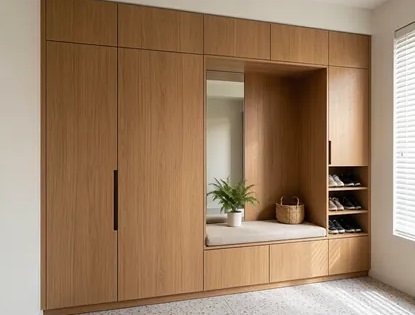
- Keep grilles unless HDB approves removal in writing.
- Confirm the platform bed height stays within HDB's allowed raise.
- Use vinyl or laminate rather than thick screed and tile in upper-floor flats.
- Ask the contractor to note floor loading on the permit drawings.
Pitfall five: permit mismatch with the actual works
The permit must match what gets built. Owners sometimes approve a plan, then add an HDB open concept kitchen or a cantilever table after work starts. Changes need a fresh submission. Resale flats that need more hacking and rewiring fall into this trap because the scope grows once walls come down.
Keep the permit honest:
- Finalise the 3D design before the contractor files.
- List every hacking line, tiling area, and carpentry zone on the form.
- If you change your mind, pause and submit the variation first.
- Display the approved permit at the site throughout the job.
Market cost for a 4-room BTO runs S$30,000 to S$45,000 and resale S$50,000 to S$70,000. Rework from a permit mismatch adds thousands you did not budget.
A permit done right is the cheapest insurance on your renovation, and whole-house customization keeps the plan, permit, and build in one file so nothing drifts. Work only with an HDB Licensed Renovation Contractor who files the permit, lists every hacking line, and respects the weekday noise window. Ask to see the approved permit before any hacking starts, and your BTO renovation timeline stays on track from key collection to move-in.