HDB Renovation: why keeping a site diary helps
HDB Renovation gets a lot easier to manage when you keep a site diary, because a short daily note turns vague memories into a clear record of what actually happened. Most disputes come down to "he said, she said," and a diary is the quiet witness that settles it.
1. A diary catches schedule slips early
Write down what was supposed to happen each day and what actually got done. When the tiling crew shows up three days late, a note proves it. Over a few weeks those small slips add up, and your diary lets you raise the pattern with the contractor before it becomes a missed permit deadline.
- Note the planned trade for the day and the actual progress.
- Flag any no-show or half-day so the timeline stays visible.
- Record weather or access issues that genuinely blocked work.
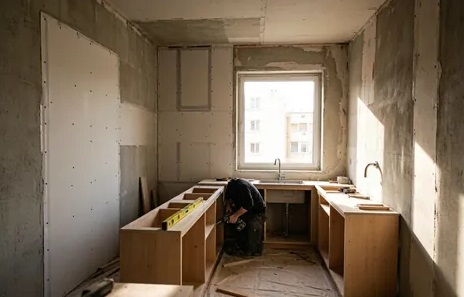
Remember the permit is only valid 3 months from approval, and HDB inspects at the end. A diary that shows steady, documented progress keeps that deadline realistic instead of a surprise.
2. It protects your deposit refund
HDB holds a renovation deposit of S$500 for flats up to 3 rooms and S$1,000 for 4 rooms and larger, refunded only after a compliant end inspection. Your diary should track that every restricted rule was respected along the way.
- Record that no structural walls or beams were hacked.
- Note that toilets were not shifted and parapet walls, floor traps, corridor windows, and the main door position were left untouched.
- Log the end inspection date and outcome so the refund claim is straightforward.
If a question ever comes up about compliance, your dated entries show you planned and built within HDB's limits from the start.
3. A diary supports fair payments
Paying in stages only works if you can tie each payment to completed work. Your diary becomes the evidence that a milestone was genuinely reached before the next cheque goes out.
- Match each progress payment to the diary entry confirming the stage is done.
- Note any defective work spotted, so it is fixed before you pay rather than after.
- Keep the diary next to the contract so the two always agree.
Under the CaseTrust Renovation Framework for contracts of S$5,000 and above from 1 October 2024, Open Book pricing already shows material costs. The diary adds the "was it actually built" layer on top of that pricing.
4. It helps with noise and neighbour peace
Noisy works like hacking and drilling are allowed only from 9am to 5pm on weekdays and Saturdays, and never on Sundays or public holidays. A short diary note of when loud works happened can calm a neighbour complaint fast.
If someone says the crew was drilling on a Sunday, your entry for that day shows painting or a quiet task instead. That record keeps minor friction from escalating and shows you respect the block's rules.
5. The diary pays off at handover
By the final walkthrough, your diary is a ready-made defect list. You can point to the exact date a scratch appeared or a fitting arrived damaged, which makes snagging quick and factual.
You do not need a fancy app. A notes page on your phone, updated in two minutes at the end of each site visit, is enough. The habit costs almost nothing and returns its value the first time a disagreement needs proof. With the diary done, you are free to enjoy shaping the home through whole-house customization that fits your daily life.