Condo Regulations Singapore: Questions on Sengkang
Owners who have done a Condo Regulations in Singapore tend to agree on one thing: the part they rushed is the part they redo. Taking the time up front is the cheapest insurance in the whole project.
Common questions about condo by-law specifics
Keep the MCST clearance letter with the renovation records. When you sell, the buyer's side will ask whether past works were compliant, and a missing letter slows the deal. A five-minute file note today clears a week of friction at the lawyer's table later.
How reading a quotation affect your schedule
A quotation should read like a bill of materials, not a single sum. Look for the board grade per cabinet, the edge type, the hinge brand class, the number of drawers, and the lighting. If an item is missing, assume the cheapest version, then decide. A clear quote also lists what is not included, like plumbing or hacking.
What renovation stages in order cost you in the end
The carpenter sits late in the order for a reason. Building cabinets before the walls are true wastes the boards. Measure after tiling and painting, build in the workshop, install near the end. Owners who rush the carpenter in front of the painter pay for scratched faces and gaps at the skirting.
What condo MCST renovation rules cost you in the end
The MCST cares most about the common property: lifts, corridors, risers and the neighbours below. You will usually need to lay protection on the lift and the route to your unit, and to use the designated debris chute or loading bay. Hacking near a shear wall or within the apartment still needs the right approvals. A builder who knows your development saves you from repeated fines.
Getting HDB renovation permits sorted early
The permit exists to protect the block, not to slow you down. HDB checks that proposed works will not touch load-bearing walls, will not exceed the floor loading limit of about 200 kg per square metre, and will keep fire-safety items intact. Owners forget that even moving a door or building a feature wall needs declaration. Get the permit before any work starts, because fixing unpermitted works costs far more than the fee.
Common questions about wall and load limits
The structural plan shows the columns and beams in solid marks. A carpenter who reads it with you avoids the wall that cannot move and places the tall unit where the slab is strongest. Ignoring this risks cracks and a visit from HDB, which no owner wants mid-renovation.
How what can be hacked affect your schedule
Hacking stirs dust and noise, so it leads the job and triggers the five-day neighbour notice in HDB flats. Time it with the renovation hours, and protect the adjacent units. A considerate hack keeps the neighbours quiet and the MCST off your back in a condo.
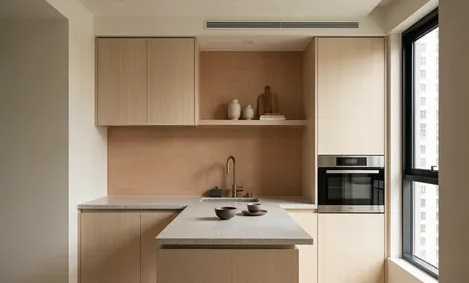
For a condo apartment in Punggol with a budget near S$18,000, the practical move is to fix the kitchen and the wardrobes first, because those are the spaces used every day, then phase the rest as the money allows.
Common questions about open kitchens and town gas
Many new owners want the island look but keep the gas. You cannot have both under the current setup, so decide early. Induction has improved enough that most cooks adapt within a week, and it is safer with kids around. If you must have gas, keep a partial wall or a full-height unit that still counts as enclosure.
What choosing a contractor cost you in the end
Chemistry counts because you will talk for weeks. A contractor who explains the trade-offs in plain words, who flags a problem before it costs you, is worth a small premium. The cheapest bid that goes quiet after deposit is the most expensive job you will ever run.
The numbers matter: a a 4-room BTO flat with a service yard and a S$50,000 cap still gets a full plywood base and soft-close fittings if the owner cuts the face-grade and keeps the inside honest. The feel stays, the cost drops.

Understanding the five-day neighbour notice in Singapore
The notice also sets a quieter tone. Neighbours who know the dates are less likely to complain about the normal noise, and more likely to flag a real problem early. Keep a copy. If a dispute arises later, the dated notice is your record that you followed the process.
A Condo Regulations in Singapore rewards owners who measure twice and pay in stages. Plan the trades in order, choose materials for where they sit, and the build will outlast the inevitable trend that replaces it.
One more point worth a line: keep the contact of the person who owns your project in a single note, with the quote, the permit and the warranty. When something needs a fix in year two, that note is what turns a denied claim into a quick visit. The paper you file today is the service you get later.
A small habit that pays off is to photograph the finished work at handover, before the furniture goes in. The shots show the edges, the gaps and the mitres as they should be, and give you proof if a fault appears after. Five minutes with a phone beats a week of argument about what changed.
Think about the next owner too. A clean, compliant build with the paperwork in order sells faster and for more, because the buyer's lawyer has fewer questions. The work you do for yourself also works for the resale, so treat the records as part of the asset, not just the receipt.
Do not chase the lowest number at the cost of the details. A job that saves on the edge banding and the hinge shows it within a year, and the fix costs more than the saving. Spend on the parts you touch daily, and the home feels right long after the photos are taken.
Finally, give the build a week before you judge it. Wood settles, doors find their rest, and a small adjustment at the start of use prevents a bigger one later. A carpenter who returns for the punch-list is worth more than one who disappears the day the balance is paid.
Match the build to how you actually live, not to a showroom you visited once. The kitchen you cook in and the wardrobe you open daily should reflect your routine, because a home that fits your habits is the one you stop noticing, and that is the highest praise a renovation can earn.